Steaming
Steaming is a moist-heat cooking technique that uses hot steam from boiling water (212°F/100°C) to cook food positioned above the liquid, preserving nutrients and natural flavors while requiring no added fat.
Steaming is a moist-heat cooking method that uses hot steam from boiling water to cook food without direct contact with the liquid. The food sits above the water in a basket, rack, or perforated insert while steam circulates around it. Standard steaming occurs at 212°F (100°C) at sea level — the temperature at which water boils and produces steam.
Professional kitchens use steaming for vegetables, seafood, shellfish, dumplings, rice, and delicate proteins. The technique preserves up to 85% of vitamins like folic acid and vitamin C compared to boiling, where nutrients leach into the water. Steaming also maintains food’s natural color, texture, and flavor better than most other cooking methods.
How Steaming Works in Commercial Kitchens
The process requires three components: a water reservoir, a heat source, and a perforated container to hold food. As water boils, steam rises and surrounds the food, transferring heat through condensation. Unlike boiling, food isn’t agitated by bubbling liquid, making steaming ideal for items that would break apart or overcook easily — think delicate fish fillets, asparagus spears, or dim sum dumplings.
Commercial equipment ranges from basic stovetop setups with steamer baskets to dedicated convection steamers that circulate pressurized steam for faster, more even cooking. Combi ovens combine steam and dry heat, giving chefs precise control over moisture levels. Pressure steamers reach temperatures above 212°F by trapping steam under pressure, cutting cooking times significantly.
Traditional vs. Modern Steaming Equipment
Bamboo steamers have been used for approximately 5,000 years, dating back to China’s Yellow River Valley around 5,000 BCE. These stackable baskets absorb excess moisture and add subtle flavor, making them popular for dim sum service. Metal steamers — typically stainless steel or aluminum — are more durable and easier to sanitize, which matters in high-volume operations.
Chinese cuisine distinguishes between direct steaming (zheng), where food steams uncovered, and indirect steaming (dun), where ingredients sit in a covered bowl within the steamer. Both techniques appear on restaurant menus today, from whole steamed fish to silky egg custards.
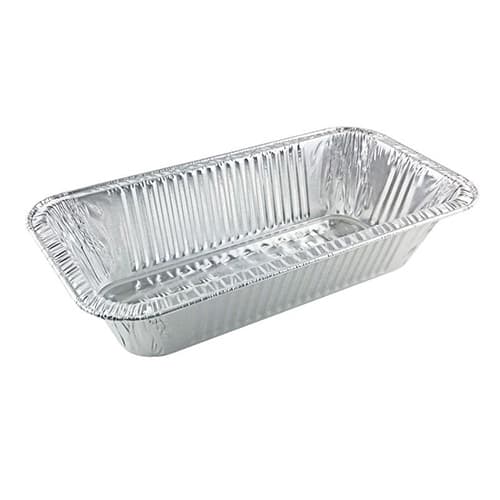
Steam tables are a related but distinct application. Rather than actively cooking food, hotel pans sit in wells filled with hot water that generates steam to keep prepared food at safe serving temperatures during service or catering events.
Why Restaurants Choose Steaming
Steaming is faster and more energy-efficient than boiling because it requires heating much less water. A convection steamer reaches cooking temperature in minutes and uses no cooking oil, reducing both cost and cleanup time. Operators appreciate that steamed food holds its shape and visual appeal on the plate — bright green broccoli stays bright green, and shrimp curl without toughening.
The technique also supports health-conscious menu positioning. Steamed options require no added fat and preserve nutritional content, appealing to diners watching calories or following specific dietary restrictions. Many fine dining and Asian restaurants make steaming a core part of their cooking repertoire precisely because it showcases ingredient quality without masking it with heavy sauces or breading.
Common Uses
Steaming is used throughout the day in professional kitchens for prep and à la minute cooking. Morning prep might include steaming vegetables for cold salads or grain bowls. During service, line cooks steam fish to order, reheat dim sum dumplings, or prepare side vegetables that hold well under heat lamps. Catering operations use steam tables — with hotel pans sitting in steam-heated wells — to keep prepared food at safe temperatures during events without overcooking. Asian restaurants steam everything from whole fish to buns, while health-focused concepts prominently feature steamed proteins and vegetables as low-fat menu options.