Stock Pot
A stock pot is a large, deep cooking vessel characterized by tall straight sides, a wide circular base, and two looped handles, designed primarily for preparing stocks, broths, soups, and boiling large quantities of pasta or vegetables.
A stock pot is a large, deep cooking vessel with tall straight sides, a wide circular base, and two looped handles on opposite sides. The design minimizes evaporation during long simmering, making it essential for preparing stocks, broths, soups, and stews in professional kitchens.
Commercial stock pots range from 8 quarts (the minimum professional size) to 160+ quarts for high-volume operations. Most restaurants start with 12-20 quart capacities for everyday stock making and batch cooking. The tall sides—typically taller than they are wide—reduce liquid loss during hours-long simmering and help contain splatters when boiling pasta or blanching vegetables.
Material Construction
Stainless steel dominates professional kitchens for its durability, non-reactivity with acidic ingredients, and ease of cleaning. Look for 18/8 or 18/10 grade stainless steel, which indicates chromium and nickel content that resists corrosion and maintains appearance through years of daily use.
Multi-ply or clad construction combines a stainless steel exterior with an aluminum core. This layered approach delivers the best of both materials: aluminum’s superior heat distribution with stainless steel’s durability and non-reactive surface. The aluminum core prevents hot spots that can scorch ingredients during long cooking times.
Aluminum stock pots cost less and weigh considerably less than stainless steel, making them easier to lift when full. However, aluminum reacts with acidic foods like tomato-based stocks and degrades faster under heavy commercial use. Most high-volume kitchens invest in stainless steel or multi-ply construction for longevity.
Stock Pot vs. Other Cookware
Stock pots differ from sauce pots in both height and capacity. Sauce pots are shorter and wider with smaller volumes, designed for heating denser ingredients and sauces that need quick access and frequent stirring. Stock pots prioritize volume and evaporation control over quick heat response.
Dutch ovens feature curved sides and significantly thicker walls for oven braising and baking. Their heavy lids trap moisture for slow-cooked dishes. Stock pots have thinner walls, lighter lids, and focus on stovetop use for liquid-based preparations.
Professional Applications
Beyond stocks and broths, professional kitchens use stock pots for boiling pasta in bulk, blanching vegetables for mise en place, seafood boils, and cooking large batches of grains. The capacity handles dinner rush volumes—20 quarts of pasta water serves 60-80 portions, while a 12-quart pot makes enough stock base for a week’s soup service in a small restaurant.
Commercial stock pots use heavy-gauge construction (measured in thickness) to withstand daily use on high-BTU burners. Riveted handles instead of welded ones provide stronger attachment points when lifting 40+ pounds of hot liquid. Flat bottoms ensure stability on gas ranges and work with induction cooktops when magnetic stainless steel is used.
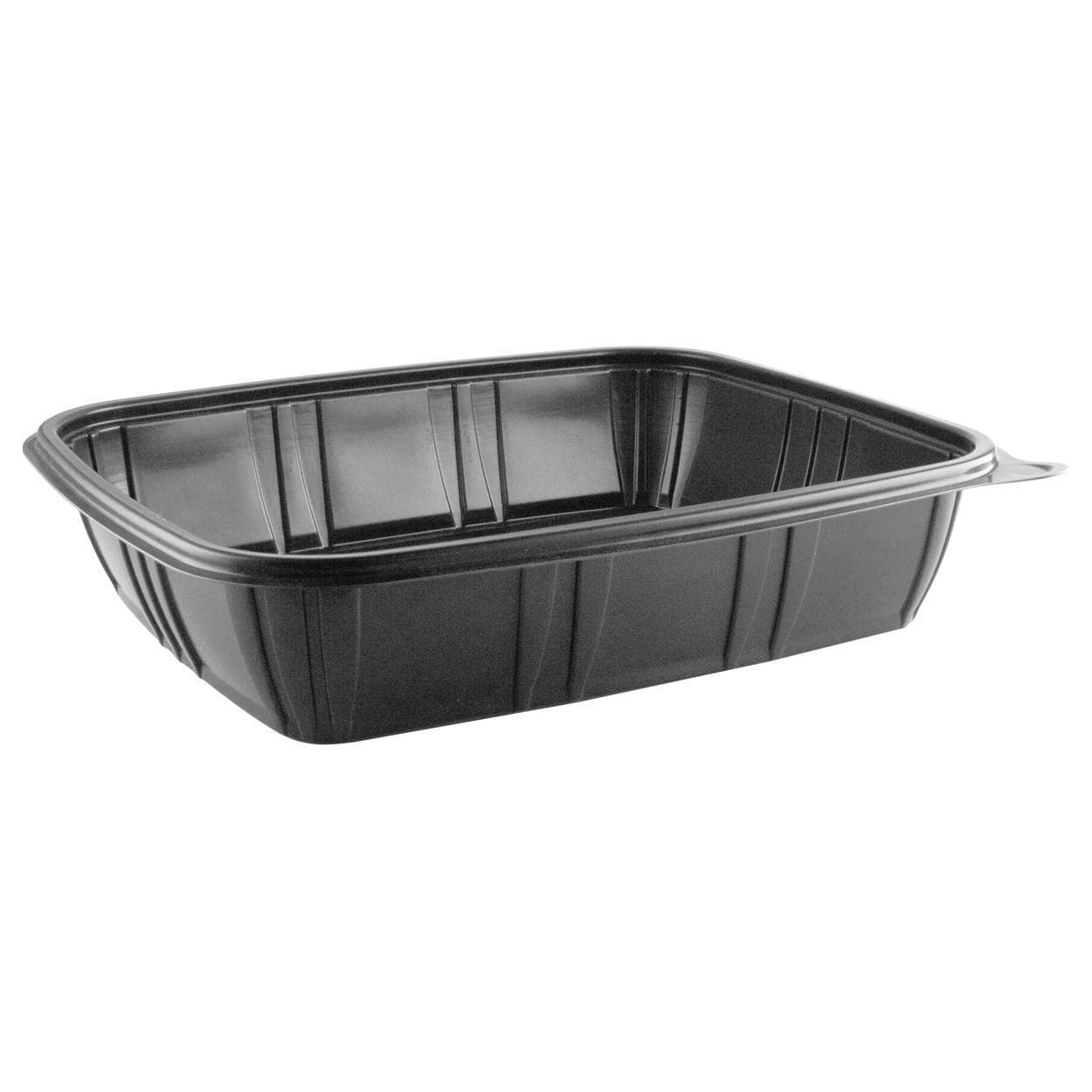
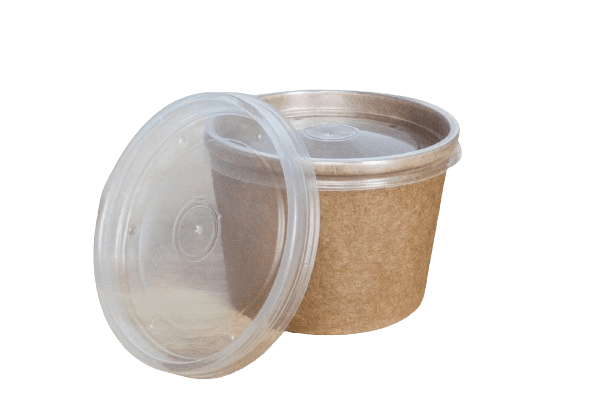
After preparing stocks or soups in large stock pots, kitchens transfer batches to deli containers for storage or catering supplies like hotel pans for service. Proper storage containers prevent contamination and make it easier to cool large volumes quickly following food safety guidelines.
Key Properties
Common Uses
Stock pots are essential for preparing large batches of stocks and broths where long simmering times require minimal evaporation. Chefs use them daily for making chicken, beef, or vegetable stock, cooking pasta water for high-volume service, blanching vegetables for prep work, and preparing soups and stews that feed dozens of customers. The tall design makes them ideal for seafood boils and cooking large quantities of grains like rice or quinoa for catering events.