Tempering
Tempering refers to three distinct culinary techniques: gradually raising the temperature of cold ingredients (especially eggs) before combining with hot liquids to prevent curdling, stabilizing chocolate through controlled heating and cooling to create proper crystal structure, or briefly cooking whole spices in hot oil to release their essential oils.
Tempering is a culinary technique with three distinct applications: gradually raising the temperature of cold ingredients (like eggs) before combining with hot liquids to prevent curdling, stabilizing chocolate through controlled heating and cooling to create a glossy finish and clean snap, or blooming whole spices in hot oil to release their essential oils. The term comes from the Latin ‘temperare,’ meaning to regulate or moderate—exactly what you’re doing when you balance temperatures to achieve the correct result.
Tempering Eggs: Preventing Scrambled Disasters
Egg tempering prevents your custards, sauces, and soups from turning into scrambled eggs. You gradually add hot liquid to cold beaten eggs while whisking constantly, raising their temperature slowly so the proteins adjust to heat without coagulating instantly. For example, when making crème anglaise or adding eggs to hot chicken soup, you’d whisk a ladle of the hot liquid into your eggs, then another, before pouring the warmed egg mixture back into the pot. Skip this step and you’ll see curdled strands of cooked egg floating in your sauce—a dead giveaway of improper technique. Many custard-based desserts served in ramekins rely on proper egg tempering for their silky texture.
Chocolate Tempering: The Science of Shine
Chocolate tempering creates stable cocoa butter crystals (specifically Form V or beta crystals) that give professional confections their glossy appearance, satisfying snap, and resistance to melting in your hands. Commercial chocolate arrives already tempered, but melting it destroys that crystal structure—you must re-temper for any professional application involving dipping, molding, or coating. Jean Tobler is credited with developing the tempering process, though scientists didn’t fully understand the crystal structure until the 1970s.
The seeding method is the most reliable approach for professional kitchens. Melt three-quarters of your chocolate to 115-120°F, then add the remaining quarter as ‘seed’ chocolate (still solid and already tempered) to encourage proper crystal formation. Stir until the temperature drops to 80-82°F, then gently reheat to your working temperature: 88-91°F for dark chocolate, 86-88°F for milk chocolate, or 82-86°F for white chocolate. An accurate thermometer is non-negotiable—even a few degrees off produces different crystal structures.
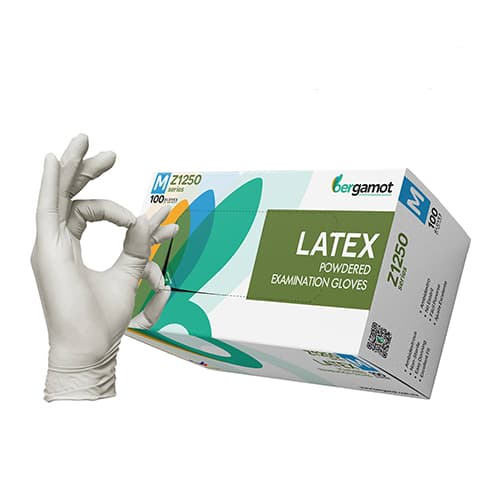
Properly tempered chocolate sets in 3-5 minutes at room temperature and releases cleanly from molds. Improperly tempered chocolate develops bloom (gray or white streaks from unstable cocoa butter crystals), feels soft and grainy, and takes significantly longer to set. When handling tempered chocolate for dipping or decorating, wear food-safe gloves like the Bergamot powder-free exam gloves to prevent fingerprints and heat transfer from your hands.
Tempering Spices: The Tadka Technique
In South Asian cooking, tempering (called tadka or baghār) means briefly cooking whole spices—mustard seeds, cumin, curry leaves, dried chilies—in hot oil or ghee. The technique releases essential oils and intensifies flavors before the mixture is added to dals, curries, or rice dishes. You’ll hear the spices crackle and pop when they hit the hot fat, signaling the oils are being extracted. This final addition of tempered spices transforms the entire dish, adding depth and aroma that ground spices stirred in earlier can’t achieve.
When Tempering Matters (and When It Doesn’t)
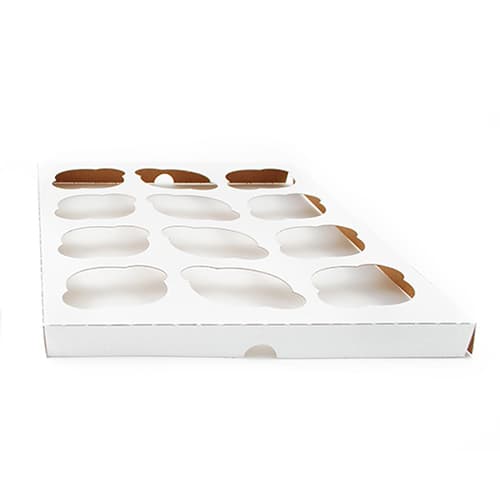
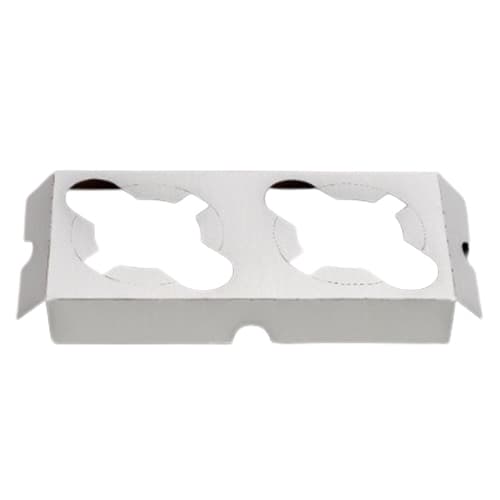
Chocolate tempering is essential for candymaking, bonbons, chocolate-covered fruits, and any application where the chocolate itself is the finished product. If you’re packaging chocolate confections in boxes like the Southern Champion cupcake inserts, proper tempering ensures they arrive looking professional, not bloomed and dull. However, you can skip tempering when chocolate gets mixed into batters, brownies, or ganache—applications where it won’t be a visible coating or stand-alone element. Egg tempering applies whenever you’re combining cold eggs with hot liquids in sauces, custards, or enriched soups. Spice tempering is specific to cuisines where the technique is traditional, primarily Indian, Pakistani, and Sri Lankan cooking.
Common Uses
Pastry chefs and chocolatiers use chocolate tempering daily when creating bonbons, chocolate bars, dipped confections, and decorative elements. The technique is non-negotiable in professional candy making and essential for any chocolate work that will be served at room temperature or packaged for retail. Line cooks temper eggs when making custard-based sauces like hollandaise or crème anglaise, adding eggs to hot soups, or preparing dishes like carbonara where raw eggs meet hot pasta. South Asian cooks use spice tempering (tadka) as a finishing technique, preparing it in a small pan while the main dish completes cooking, then pouring the crackling spices over the top just before service.