Waste Log
A waste log is a document where restaurant staff record what food and beverage items are being thrown away, including the item name, quantity, reason for disposal, date/time, and responsible employee, providing data for cost reduction and sustainability improvements.
A waste log is a tracking document where restaurant staff record every food and beverage item thrown away, including the item name, quantity, reason for disposal, date/time, and employee responsible. This real-time documentation turns daily waste into actionable data that helps restaurants identify patterns, reduce costs, and improve profitability. Key fields typically include the specific item wasted, amount (by weight, count, or portion), reason (spoilage, overcooking, incorrect orders, dropped items, over-portioning), station or employee, and estimated cost.
Why Waste Logs Matter for Restaurant Profitability
Food costs typically make up 28-35% of restaurant sales, making waste reduction critical for margins. According to a 2017 NRDC report, between 4-10% of food purchased by restaurants becomes pre-consumer waste before it ever reaches customers. Industry research shows restaurants can save $7-8 for every $1 invested in food waste reduction programs. A waste log provides the baseline data needed to identify where money is literally going in the trash.
Waste should be logged immediately at the point of discard, not recalled later during a shift. Real-time logging ensures accuracy in busy kitchen environments and prevents details from being forgotten. It also creates accountability that can help prevent theft disguised as waste. The EPA provides free paper templates and digital tracking tools specifically designed for foodservice operations.
Three Categories of Restaurant Waste
Waste logs help identify patterns across three main types of restaurant waste. Pre-consumer waste occurs before food reaches the customer—spoilage, kitchen scraps, overproduction, prep mistakes, expired ingredients, and items that don’t meet quality standards. Post-consumer waste includes food that was served but not eaten, such as plate waste and customer leftovers. Storage waste results from improper storage conditions, expired stock, or poor inventory rotation.
Restaurants with large menus, buffet-style service, or strict preparation guidelines tend to have higher waste levels. A detailed waste log reveals which specific menu items, stations, or time periods generate the most waste. This data drives decisions about purchasing quantities, portion sizes, menu design, prep schedules, and staff training needs.
Implementing an Effective Waste Tracking System
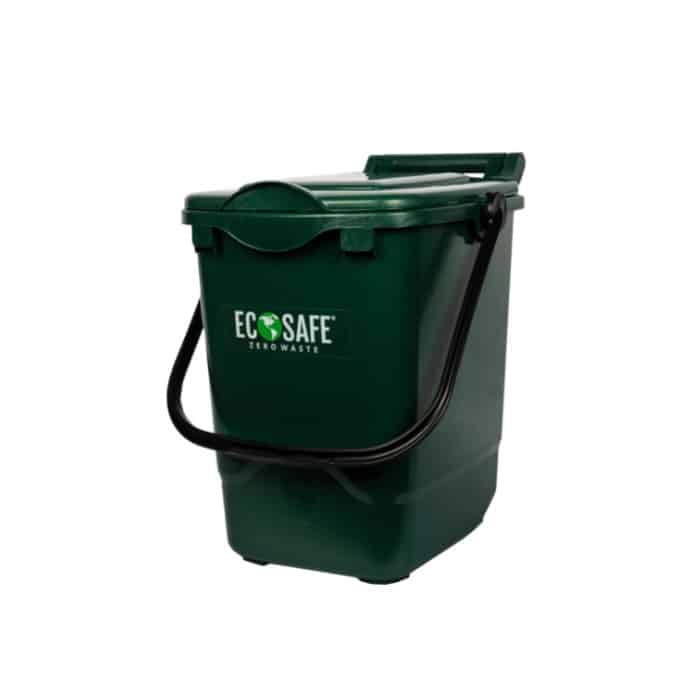
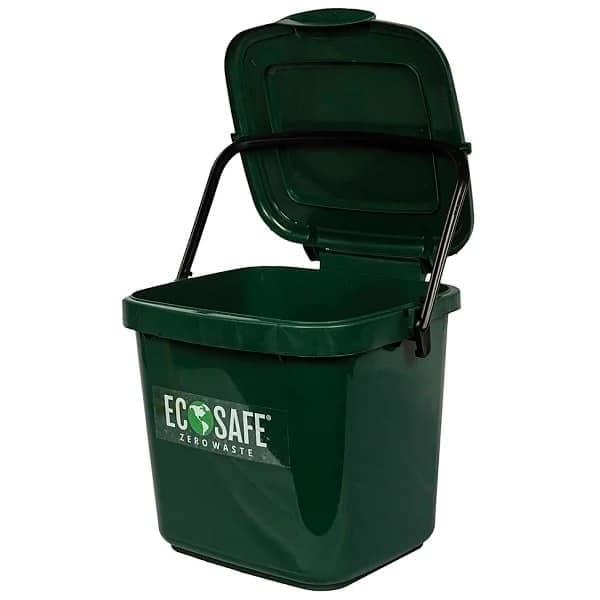
Start by choosing between paper logs or digital tracking software—many POS systems now include waste tracking features. Designate compost bins near prep stations and dishwashing areas to make logging convenient. Train all staff on what to record and why it matters, emphasizing that the goal is process improvement, not punishment.
Review waste logs weekly or monthly to identify trends. Look for patterns by day of week, meal period, menu item, or employee. If Tuesday lunch consistently shows high waste, investigate whether you’re over-prepping for slower traffic. If one protein appears frequently, check if portions are too large or if prep methods need adjustment. Use compost bags and can liners to separate waste by category, making weighing and analysis easier.
Environmental Impact and Sustainability Benefits
Up to 40% of food grown, transported, and processed in the US goes to waste. Food waste in landfills produces methane, a greenhouse gas 25 times more potent than carbon dioxide. Waste logs support sustainability goals by identifying opportunities to donate surplus food to local organizations, compost organic scraps using BPI certified compostable bags, or repurpose ingredients before they spoil.
Tracking waste helps restaurants reduce their environmental footprint while improving profitability—the two goals are aligned. Many restaurants find that implementing waste logs naturally leads to adopting more sustainable packaging and operational practices as they become more conscious of their resource usage.
Common Uses
Waste logs are used daily in professional kitchens at the point of discard—near prep stations, cooking lines, and dishwashing areas. Kitchen managers review logs weekly or monthly to identify waste patterns by day, meal period, menu item, or employee. The data drives purchasing decisions, portion size adjustments, menu revisions, and staff training priorities. General managers use waste log data in P&L analysis to understand true food cost and identify savings opportunities. Corporate restaurant groups often require standardized waste logging across all locations for benchmarking and best practice sharing.