
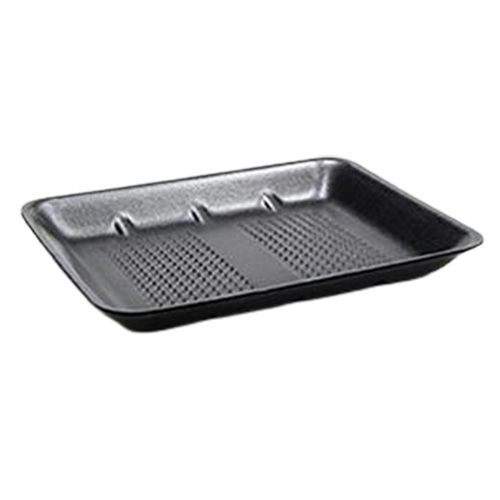
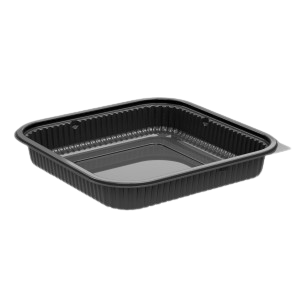



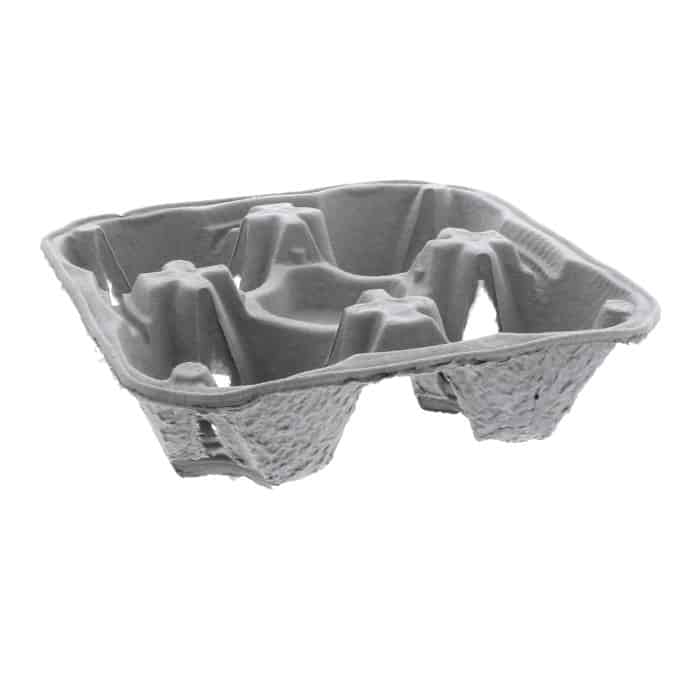

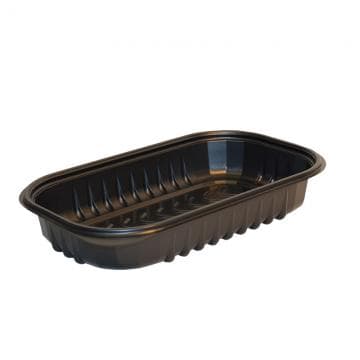
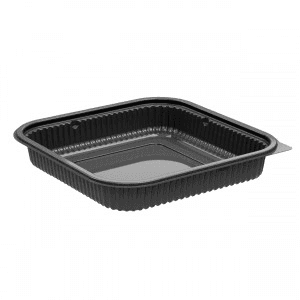
8.5" x 8.5" Square Polypropylene Tray, Black
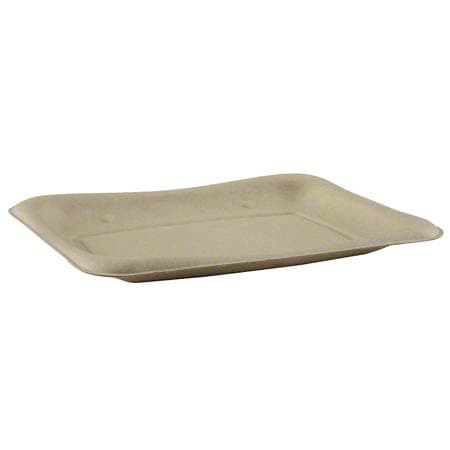
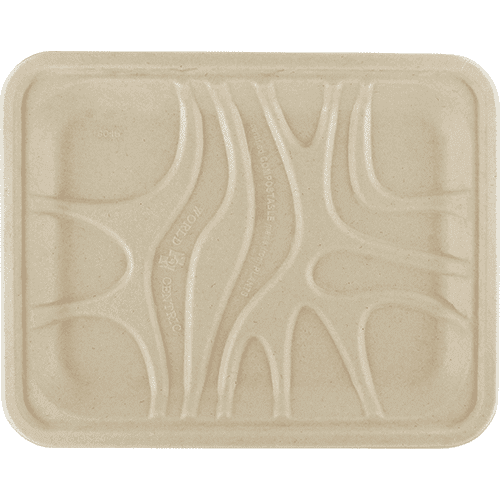
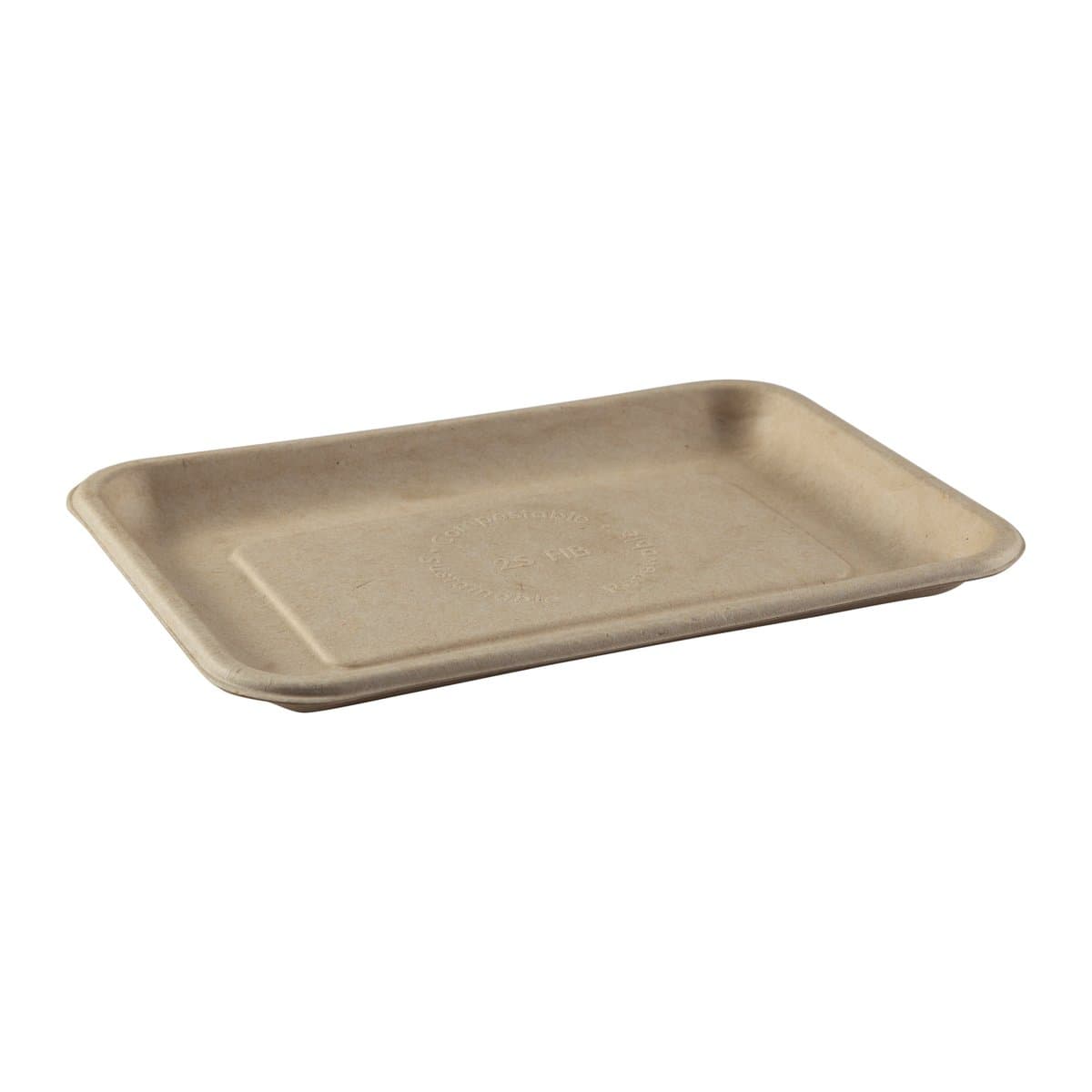
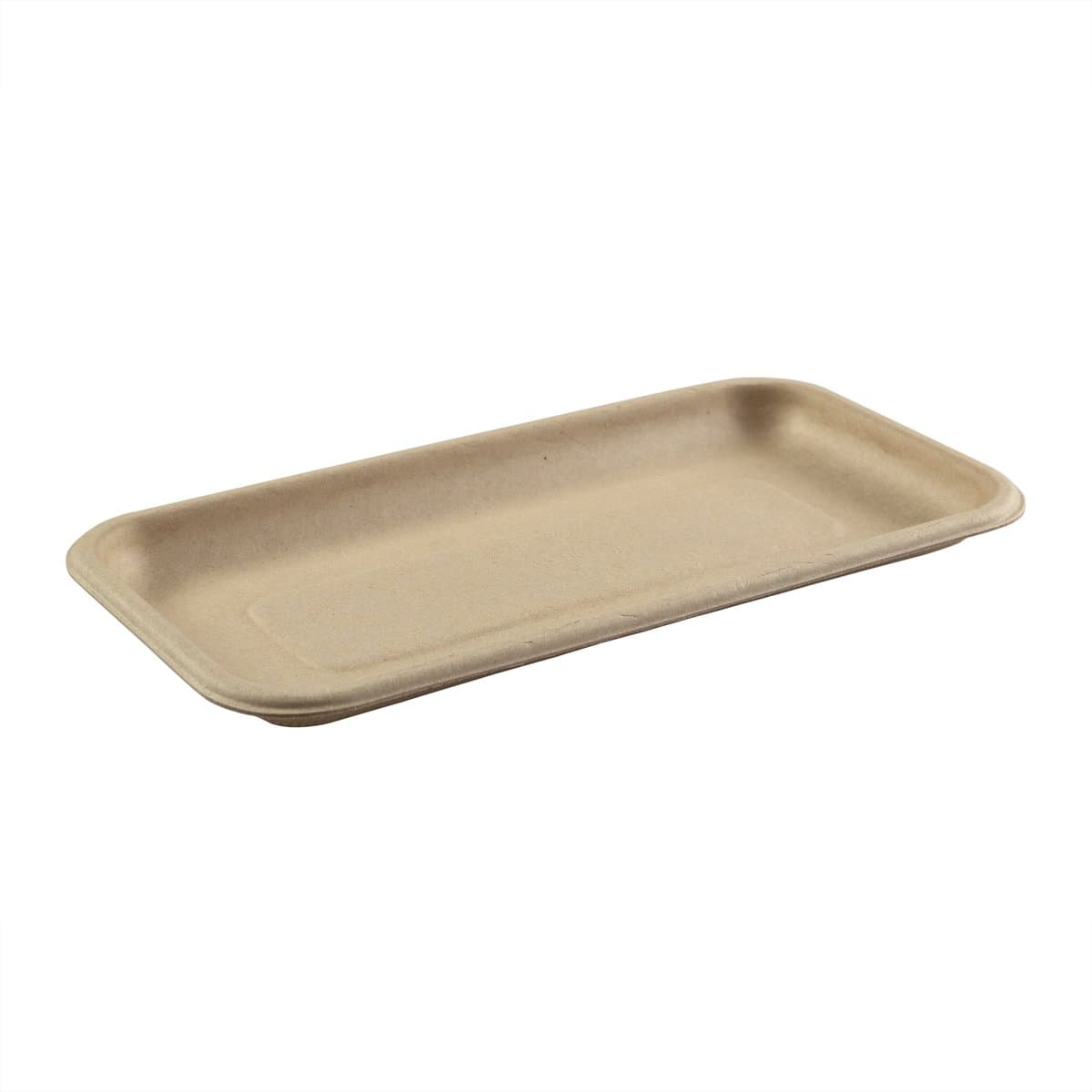
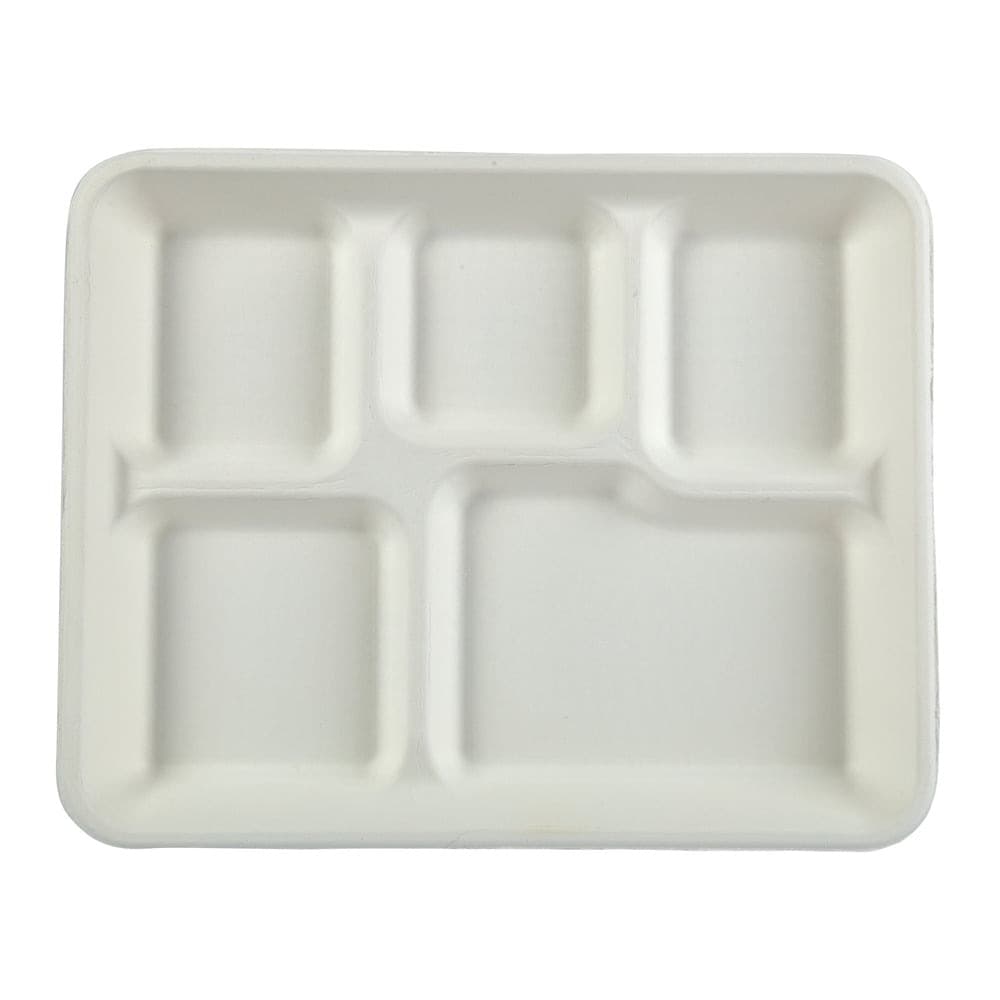
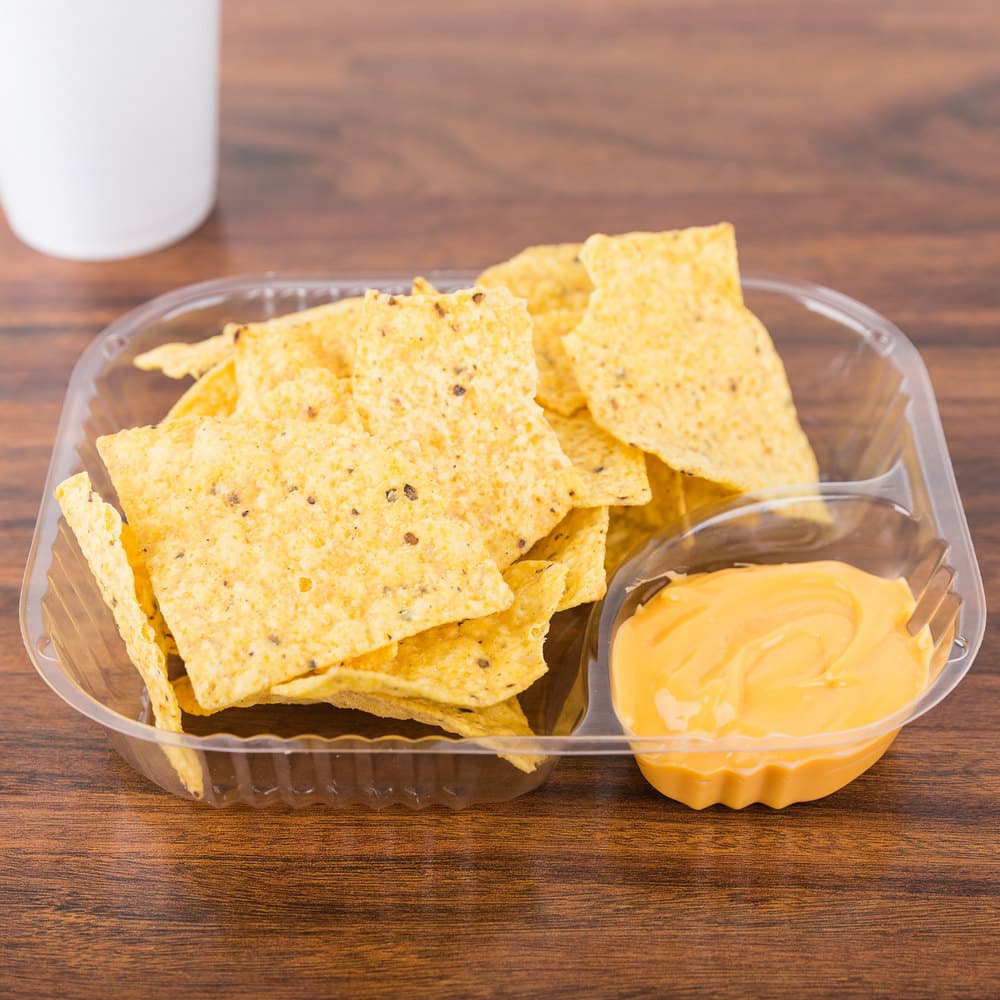


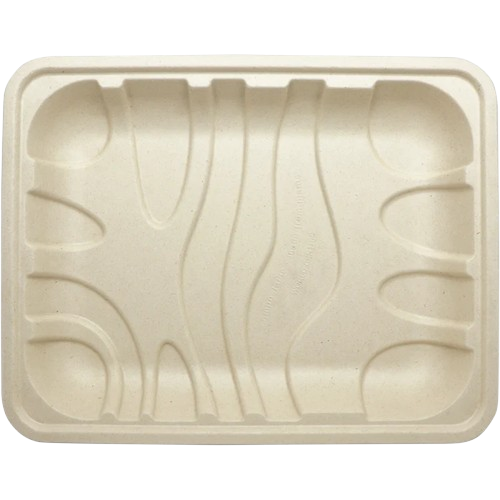
Dyne-A-Pak #10S White Foam Meat Tray 10 3/4" x 5 3/4" x 1/2"
About Wholesale Food Trays
Food trays are essential packaging solutions for restaurants, caterers, delis, and food trucks serving prepared meals, fresh produce, and packaged proteins. These versatile containers provide safe food handling, attractive presentation, and convenient portability for dine-in, takeout, and catering operations. Wholesale food trays for restaurants come in multiple materials and configurations to suit every menu item and sustainability goal.
Material Options and Sustainability
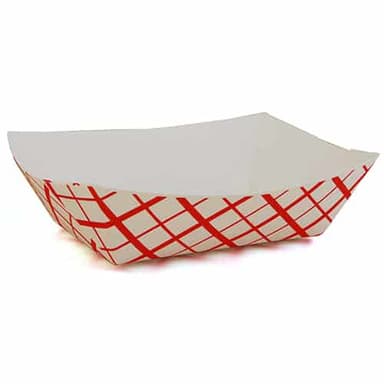
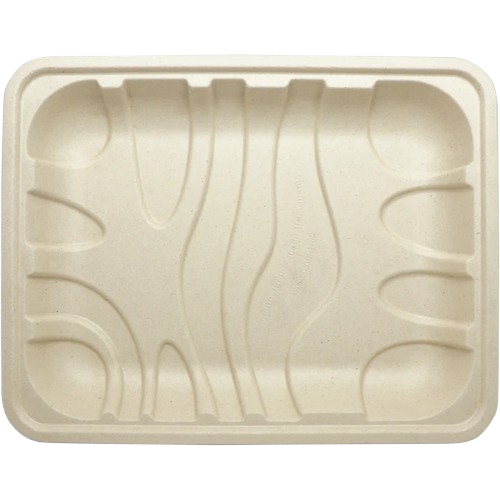
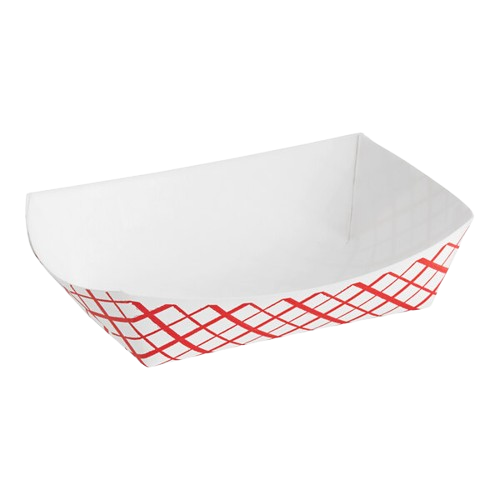
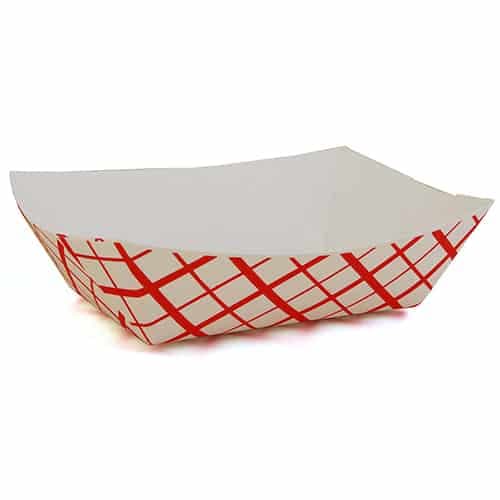
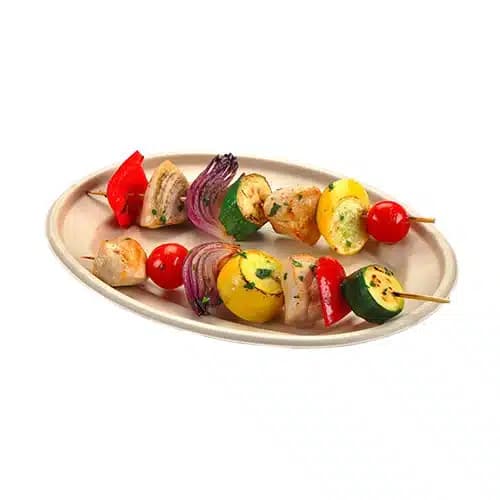
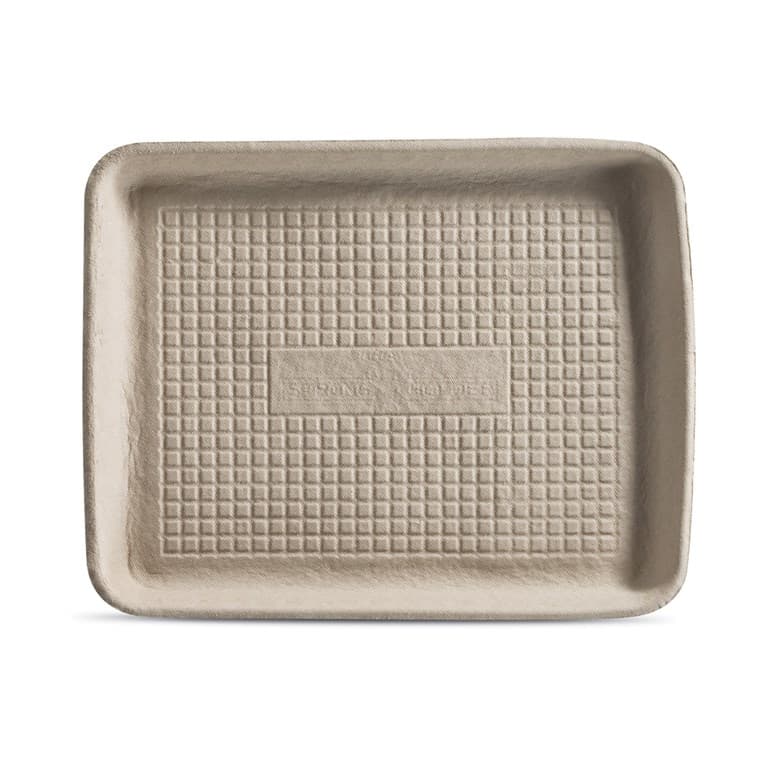
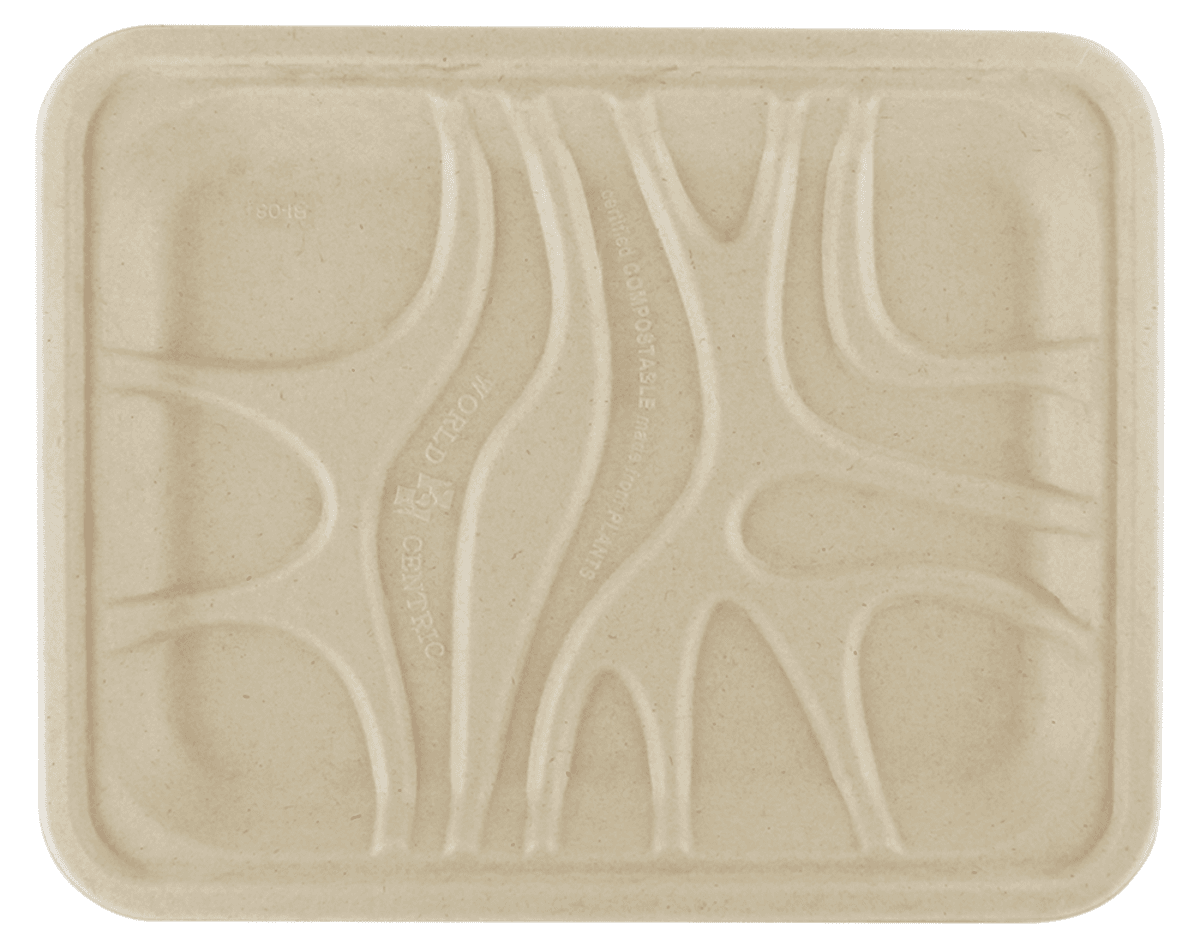
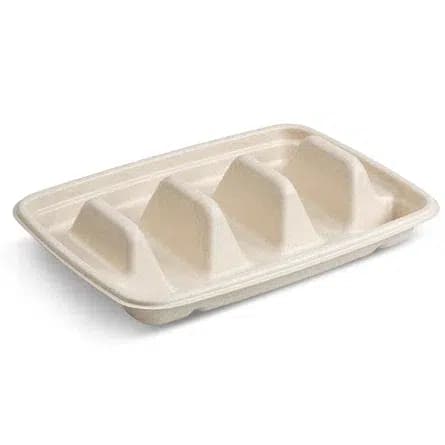
Food service operations can choose from fiber trays made from molded pulp or bagasse, lightweight foam trays for temperature-sensitive items, economical paper trays for dry goods, and specialized produce and meat trays designed for protein and fresh-cut items. Eco-conscious establishments increasingly opt for compostable fiber and paper options as sustainable alternatives to traditional foam. Each material offers distinct advantages in terms of insulation, moisture resistance, structural integrity, and environmental impact.
Applications Across Food Service
Bulk food trays for restaurants serve diverse functions from hot entrée packaging and buffet service to grab-and-go salads and deli counter displays. Catering operations rely on sturdy trays for transporting large quantities of food while maintaining presentation quality. Grocery stores and butcher shops use specialty meat and produce trays with absorbent pads to extend shelf life and ensure food safety compliance.
Choosing the Right Food Trays
Consider these factors when selecting wholesale food trays for your operation:
- Match Material to Menu: Select foam trays for items requiring superior insulation, fiber trays for hot or saucy foods, and paper trays for room-temperature baked goods or dry items.
- Size for Portion Control: Choose tray dimensions that accommodate standard portion sizes to minimize food waste and maintain consistent presentation across orders.
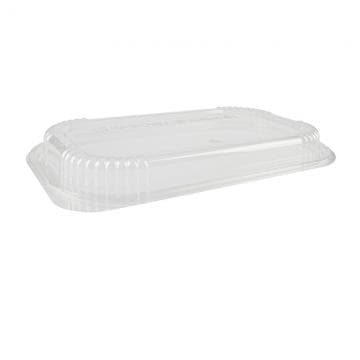
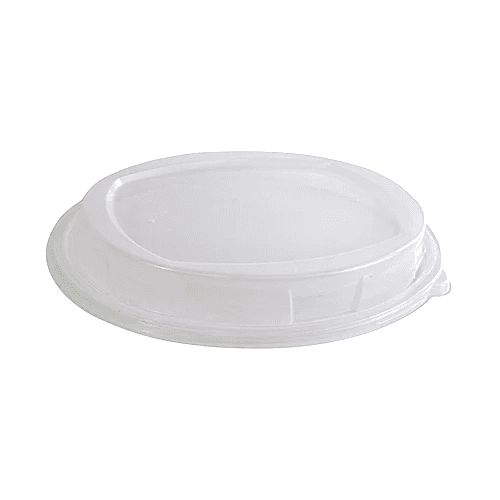
- Consider Lid Compatibility: Verify that selected trays work with available dome or flat lids to ensure secure closure for transport and stackability in storage.
- Evaluate Sustainability Requirements: Assess local composting infrastructure and customer preferences to determine whether compostable fiber or recyclable materials align with operational goals.
- Test for Temperature Stability: Ensure trays maintain structural integrity under your specific temperature conditions, whether holding hot entrées, chilled salads, or frozen items.