

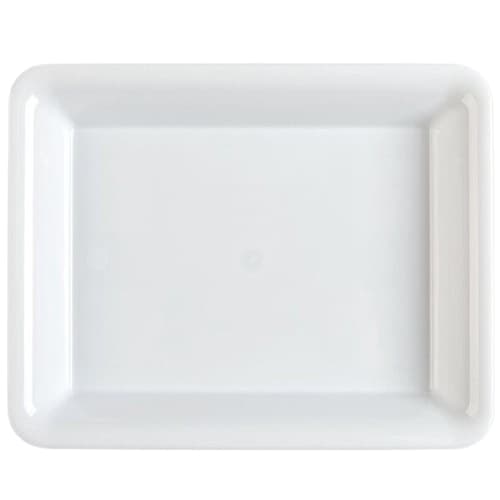
Fineline RC571PP.WH ReForm 10" x 8" White Polypropylene Rectangular Tray
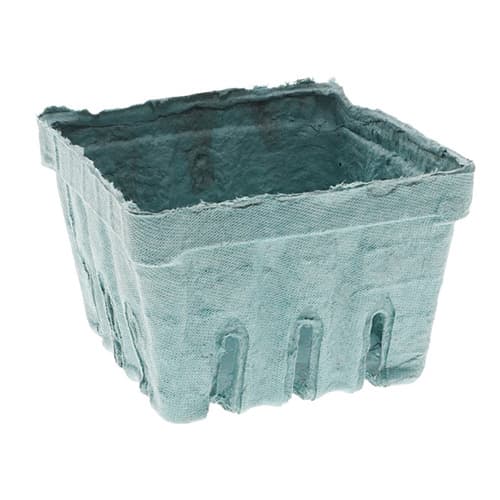
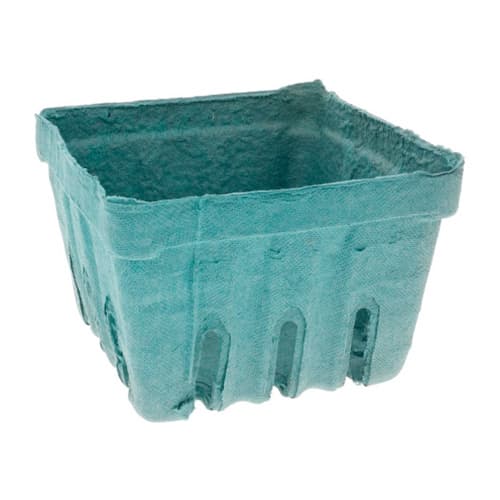
Related Categories
About Wholesale Produce and Meat Trays
Produce and meat trays are essential food packaging solutions designed specifically for displaying and storing fresh proteins and vegetables in retail, deli, and food service environments. Restaurants, grocery stores, butcher shops, and catering operations rely on wholesale produce and meat trays to maintain product freshness, ensure proper drainage, and present items attractively to customers. Choosing the right bulk meat and produce trays for restaurants helps minimize product loss while meeting food safety standards.
Material Options and Sustainability
Produce and meat trays are available in foam, rigid plastic, fiber, and compostable materials, each offering distinct benefits for specific applications. Foam trays provide excellent insulation and absorbency for meat products, while fiber and compostable options meet growing demand for eco-friendly food packaging solutions. Rigid plastic trays offer durability and clarity for showcasing premium cuts and fresh produce, and many facilities now prioritize recyclable or plant-based materials to reduce environmental impact.
Key Features for Food Safety
Proper tray design includes features like built-in absorbent pads, raised drainage channels, and leak-resistant construction to prevent cross-contamination and maintain product quality. Temperature resistance is critical for meat trays that may transition from cooler to display case, while produce trays benefit from ventilation features that extend shelf life. FDA-approved food-contact materials ensure compliance with health regulations across all food service operations.
Choosing the Right Produce and Meat Trays
Consider these factors when selecting wholesale produce and meat trays for your operation:
- Match Size to Product: Select tray dimensions that accommodate your typical portion sizes without excessive empty space, which reduces packaging costs and improves display efficiency.
- Prioritize Drainage: For meat applications, choose trays with effective moisture management systems to prevent bacterial growth and maintain product appearance throughout shelf life.
- Consider Display Visibility: Clear or white trays enhance product visibility and appeal, while colored options can differentiate product types or grades in your display cases.
- Assess Stacking Capability: Stackable designs optimize cooler and prep area storage space, especially important for high-volume operations with limited refrigeration capacity.
- Evaluate Sustainability Goals: Balance operational needs with environmental commitments by exploring fiber-based or compostable alternatives where performance requirements allow.
Frequently asked questions
- How can I choose the right tray for my business?
- Consider material, durability, and sustainability alongside your specific needs. Match tray dimensions to portion sizes, prioritize drainage for meat, and assess stackability for storage efficiency.