Bain-Marie
A bain-marie is a cooking utensil that uses heated water to gently cook or keep food warm, also known as a water bath or double boiler. Named after Mary the Jewess, an ancient alchemist, it provides indirect heat that prevents scorching of delicate foods like sauces, custards, and chocolate.
A bain-marie is a cooking utensil that uses heated water to gently cook or keep food warm through indirect heat transfer. The outer container holds hot water while inner pans hold food, creating a buffer that prevents scorching and maintains consistent temperature control. In professional kitchens, it’s essential for holding delicate sauces, melting chocolate, and keeping buffet items at safe serving temperatures.
The name translates from French as “Mary’s bath” and dates back to Mary the Jewess, a 1st-century alchemist who invented the technique. She discovered that surrounding a cooking vessel with heated water provided stable, gentle heat—a principle still used in modern kitchens two thousand years later.
How Bain-Maries Work in Professional Kitchens
Commercial bain-maries come in two types: wet heat and dry heat models. Wet heat units use actual water in the outer reservoir, maintaining temperatures below 212°F (100°C) for gentle warming. The water bath creates uniform heat distribution that won’t break emulsified sauces or curdle custards.
Dry heat bain-maries skip the water and use electric heating elements to warm the air around food pans. These are common in buffet service where you’ll see them holding everything from scrambled eggs to prime rib. They’re easier to maintain since there’s no water to refill, but they don’t provide the same moisture retention as wet models.
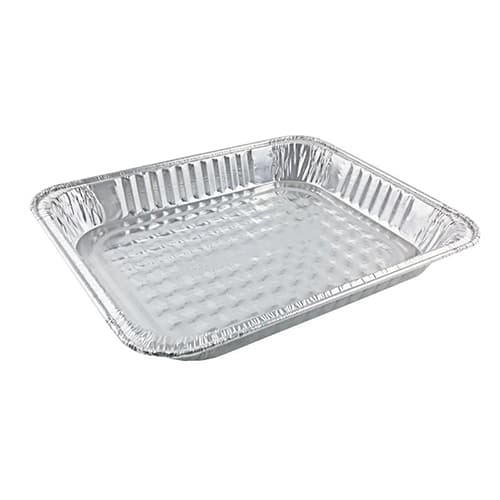
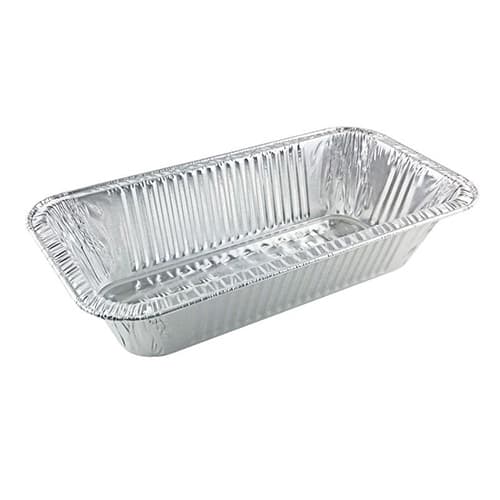
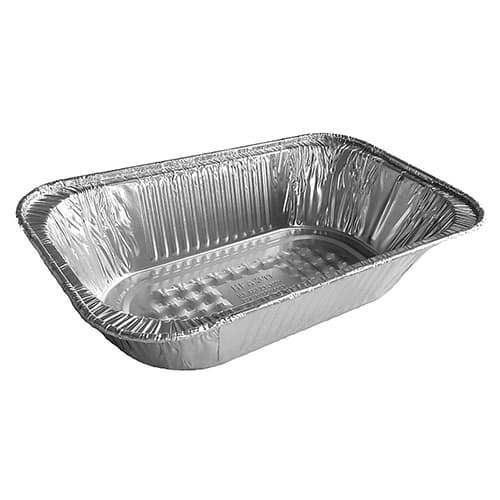
Most commercial units are built from stainless steel with standardized hotel pan inserts. A full-size pan measures 12¾” × 20¾”, with half-size, third-size, and quarter-size pans fitting into multi-well configurations. This lets you hold multiple items in one unit—hollandaise in a quarter pan, marinara in a third pan, and gravy in another quarter pan all in the same bain-marie.
Essential Applications
Bain-maries excel at cooking and holding temperature-sensitive preparations. Hollandaise and beurre blanc stay smooth at the gentle heat levels a water bath provides. Chocolate melts evenly without seizing. Cheesecakes bake without cracks when the springform pan sits in a water-filled roasting pan in the oven.
For hot holding during service, food safety rules require maintaining temperatures above 145°F (63°C) to prevent bacterial growth. A properly calibrated bain-marie keeps food in the safe zone for hours without overcooking. Custards stay silky, not rubbery. Sauces stay glossy, not broken.
The technique also works for cold applications. Replace the hot water with ice or connect a cooling unit, and the same setup becomes a cold well for holding salads, desserts, and cold sauces at safe temperatures during buffet service.
Choosing and Maintaining Equipment
When selecting a commercial bain-marie, consider your volume needs and space constraints. Countertop models work for small operations or sauce stations, while full-size buffet units handle high-volume catering. Look for units with precise thermostatic controls and indicator lights—temperature consistency matters for food safety and quality.
Stainless steel construction is standard for durability and easy cleaning. Check that pan wells accommodate standard hotel pan sizes you already stock. Some units include drain valves for easy water changes, a feature worth having if you’re running wet heat models all day.
Maintenance is straightforward: empty and clean water reservoirs daily to prevent mineral buildup and bacteria growth. Descale monthly in hard water areas. For dry heat units, keep heating elements free of food debris and check seals on lids to maintain temperature efficiency.
Part of proper mise en place, a bain-marie setup should be checked and heated before service starts. Water levels in wet models need monitoring throughout service—low water can damage heating elements and reduce effectiveness.
Common Uses
Professional kitchens use bain-maries throughout service for hot holding sauces at the line, keeping buffet items at safe temperatures, and cooking delicate preparations. Pastry stations rely on them for melting chocolate and tempering eggs. Catering operations use multi-well units to hold multiple items simultaneously—gravies, sauces, vegetables, and proteins all at proper temperatures. In fine dining, small countertop bain-maries hold hollandaise, beurre blanc, and other emulsified sauces that would break under direct heat. The technique also appears in baking, where cheesecakes and custards bake in water baths inside ovens to prevent cracking and ensure even cooking.