Bar Gun
A bar gun is a handheld, multi-button beverage dispenser that mixes concentrated syrup with carbonated or still water at the point of dispense, allowing bartenders to serve multiple fountain drinks from a single unit mounted at the bar station.
A bar gun is a handheld, multi-beverage dispenser mounted at the bar station that delivers carbonated and non-carbonated drinks by mixing concentrated syrup with water at the moment of pour. It’s one of the most-used pieces of equipment behind any full-service bar, and in most operations you’ll hear it called a soda gun interchangeably.
How a Bar Gun Works
Bar guns operate as post-mix systems. Concentrated syrups stored in bag-in-box containers under the bar are pumped through chilled lines and combined with carbonated or still water directly at the nozzle when a button is pressed. The result is a freshly carbonated beverage at consistent temperature with every pour.
The standard syrup-to-water mixing ratio is 1:6. At that ratio, a single bag-in-box reservoir can yield up to 1,200 liters of finished product — dramatically reducing storage needs compared to bottled or canned alternatives.
The dispensing mechanism is fully hydraulic with no electronic components, which makes bar guns exceptionally durable in the wet, high-traffic environment of a working bar. Flow rates typically run 1.25–1.5 oz/sec of finished beverage, fast enough to keep up during the busiest service windows.
What a Bar Gun Can Dispense
Standard commercial bar guns feature 8–14 buttons, with configurations of 10, 12, or 14 being most common in high-volume operations. A typical setup covers cola, diet cola, lemon-lime soda, ginger ale, tonic water, club soda, plain water, iced tea, juice, and sometimes energy drinks — all from one handheld unit.
Bar guns are central to well drink and call drink service. A bartender working the rail can build a rum and Coke, vodka tonic, or whiskey ginger in seconds without leaving the station, often using a jigger for the spirit and the gun for the mixer.
System Components and Infrastructure
The bar gun itself is just one part of a larger system. Full operation requires bag-in-box syrup pumps, a CO2 carbonator, a water filtration system, and a cold plate or mechanical chiller to keep lines at dispensing temperature. The cold plate typically sits inside the ice well, which is why the gun, ice, and speed rail are almost always co-located at the same station.
Because the infrastructure is complex and the equipment cost is significant, most restaurants don’t purchase bar gun systems outright. Instead, their beverage supplier — Coca-Cola or Pepsi in the majority of cases — supplies, installs, and services the equipment as part of the supply agreement.
In high-volume operations, multiple guns may be installed at separate stations to prevent bottlenecks during peak hours. These satellite setups are sometimes called waitress stations or tower setups and are integrated directly with the ice well and speed rail at each service point. Bar backs are typically responsible for monitoring and restocking bag-in-box syrup and CO2 to keep the system running through service.
Post-Mix vs. Pre-Mix Bar Guns
The vast majority of commercial bar guns are post-mix systems. Pre-mix bar guns also exist and connect to pressurized canisters of already-mixed beverage, operating much like a draft system. Pre-mix setups are mainly used in regions where local water quality can’t be adequately filtered to meet beverage standards.
Brix Calibration
Brix calibration is the standard quality check for bar gun accuracy. It measures whether the syrup and water are combining at the correct 1:6 ratio. A calibration that’s off in either direction causes problems: too much syrup wastes product and inflates pour cost; too little syrup produces weak, off-flavor drinks that guests notice immediately.
Most operations perform Brix calibration quarterly or whenever switching syrup brands. Your beverage supplier rep can typically perform this check during routine service visits.
Cleaning and Maintenance
Daily maintenance is simple: flush lines with hot water and wipe down the nozzle after service. Weekly deep cleaning requires disassembling the nozzle to remove syrup buildup that can harbor bacteria and affect flavor. The professional standard protocol uses a chlorine-based sanitizer across multiple steps — a procedure closely related to clean-in-place practices used for other beverage dispensing systems.
Neglecting nozzle cleaning is one of the most common bar sanitation failures and a frequent source of off-flavors in fountain drinks. Build a weekly cleaning step into your bar closing checklist.
History
The modern handheld bar gun emerged in the 1970s, with early mechanical models developed by companies like Wunder-Bar and Bar Master specifically for high-volume bar service. Wunder-Bar now holds an estimated 90–95% of the commercial bar and tavern market. The guns they produce today are EU Food Contact compliant under EU Framework Regulation No. 1935/2004, and commercial systems and components are subject to NSF/ANSI standards for beverage dispensing equipment.
Bar Gun Supplies
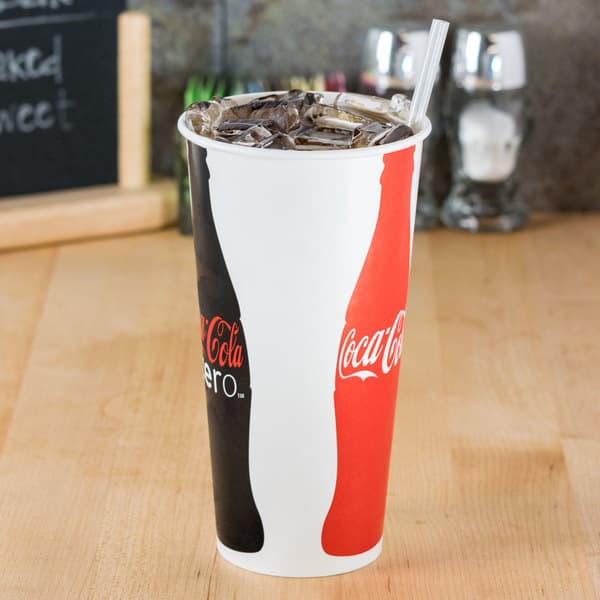
Every bar gun station needs a steady supply of the right serviceware. Cold cups and lids are the primary vessel for fountain drinks in quick-service and casual dining settings. Stock straws and stirrers at every station — paper straws in particular are now standard at most operations. For specialty drinks or milkshake-style fountain beverages, cutlery including soda spoons rounds out the serviceware needs at the gun station.
Common Uses
Bar guns are used throughout service by bartenders building mixed drinks and fountain beverages without leaving the rail. A bartender presses the corresponding button — cola, tonic, club soda, juice — and the finished beverage flows at 1.25–1.5 oz/sec directly into the glass. The gun is holstered between pours at the bar station, typically positioned within the ice well and speed rail setup for one-handed, in-place drink building. In high-volume venues, multiple guns are installed at separate stations so bartenders never have to cross the bar during a rush. Bar backs monitor syrup and CO2 levels and swap bag-in-box containers to keep the system live through service.
Related Products