Ice Well
An ice well is a specialized bar equipment unit designed to store ice directly at the bartender's workstation, typically built into or placed under the counter to provide immediate access to ice during drink preparation.
An ice well (also called an ice bin) is bar equipment that stores ice directly at the bartender’s workstation, eliminating trips to walk-in coolers or remote ice machines during service. Bartenders scoop ice from the well throughout their shift to build cocktails, chill glasses, and serve cold beverages. Ice wells are positioned within arm’s reach—typically built into the bar top or tucked under the counter—so bartenders never leave their station during peak hours.
Types of Ice Wells
Drop-in ice wells fit directly into countertops for a seamless, built-in appearance. These units create a flush surface that’s easy to wipe down and professional-looking in guest-facing bars.
Freestanding ice wells stand alone on legs or casters, making them portable for event setups, outdoor bars, or flexible service configurations. You can move these units to different stations as needed.
Underbar ice wells tuck neatly beneath the counter to save valuable bar top real estate while keeping ice accessible. These models are the most space-efficient option for high-volume bars with limited square footage.
Capacity and Sizing
Ice wells range from 50 to over 1,000 pounds of ice capacity. Track your busiest shifts to determine the right size—you want enough ice to get through peak service without constant refills, but not so much capacity that you’re wasting underbar space.
Compact 12-inch-wide underbar models work for coffee bars or small service stations. Mid-sized 24-inch units handle typical restaurant bar volume. Large freestanding models up to 48 inches wide serve nightclubs and high-volume cocktail bars during rush periods.
Construction and Materials
Industry-standard ice wells are built from high-quality stainless steel because it resists rust, withstands constant moisture exposure, and sanitizes easily. Interior bins may feature plastic or cold-resistant liner materials that prevent ice from sticking to metal surfaces.
Proper drainage systems are essential—meltwater must funnel away continuously to keep remaining ice solid and prevent contamination. Look for models with angled bottoms and dedicated drain lines that connect to your plumbing system.
Combo Configurations
Many ice wells come integrated with other bar equipment in combo units. Common additions include cold plates for chilling soda lines or liquor bottles, dump sinks for quick glass rinsing, speed rails for frequently used bottles, and bottle wells for wine or beer storage.
These combo configurations maximize functionality in tight underbar spaces. A single 36-inch unit might include an ice well, speed rail, and cold plate—everything a bartender needs in one compact footprint.
Maintenance and Hygiene
Empty and sanitize ice wells daily to prevent bacterial growth and off-flavors in drinks. Ice can absorb odors and contaminants from dirty bins, affecting drink quality and customer safety.
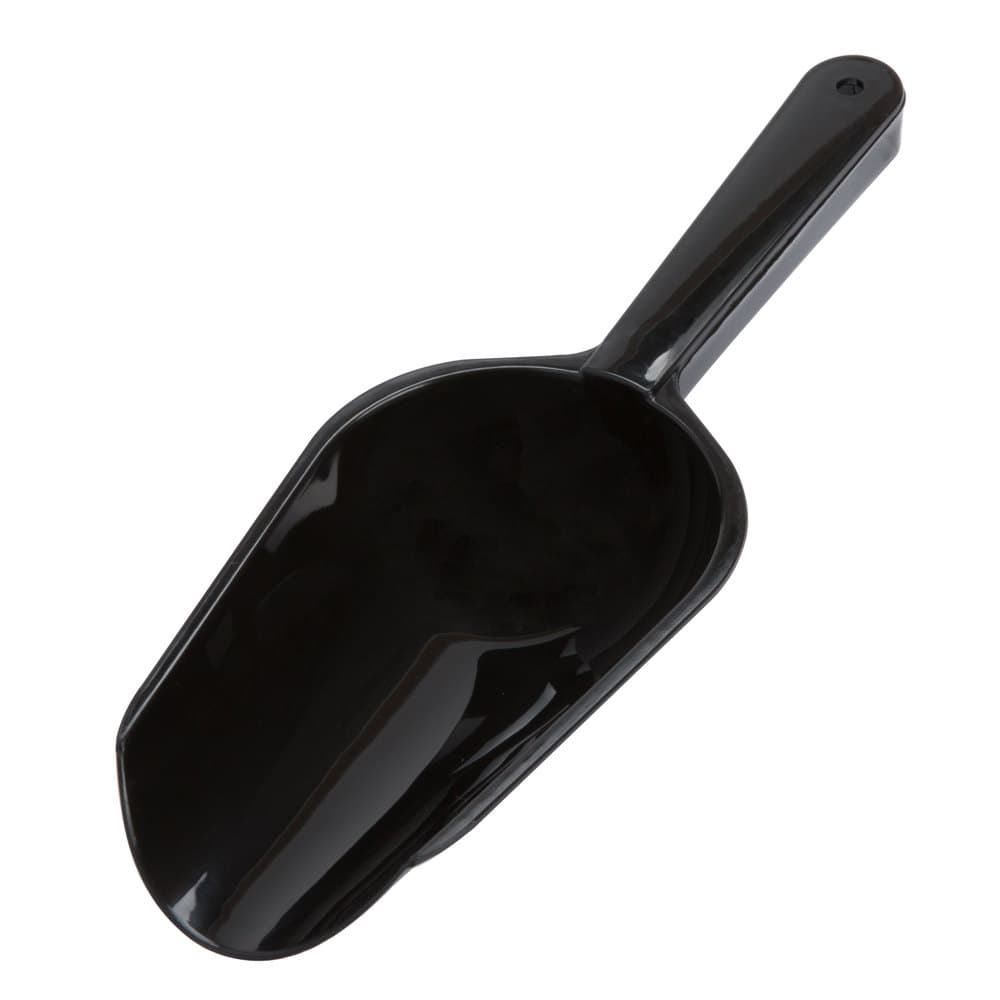
Staff should always use dedicated ice scoops stored outside the well—never glass cups—to prevent contamination and avoid broken glass in the ice. Use bar mats around the well to catch drips and keep the workspace dry.
Common Uses
Bartenders use ice wells throughout every shift to quickly grab ice for cocktails, mixed drinks, and chilled beverages without leaving their station. During peak hours at busy bars and nightclubs, ice wells prevent service bottlenecks by keeping bartenders at their posts instead of walking to remote ice machines. Restaurant service bars rely on ice wells to support both bartender drink-making and server beverage stations. Event venues use portable freestanding ice wells for flexible bar setups at weddings, conferences, and outdoor functions where permanent plumbing isn't available.