The Rail
The rail is a metal strip mounted at the pass or expo window that holds printed order tickets (chits) in sequential order, allowing the expo or chef to manage incoming orders and coordinate kitchen timing during service.
The rail is a metal strip mounted at the pass or expo window that holds order tickets in sequence during service. Kitchen printers spit out chits (order tickets) that get clipped or magnetically attached to the rail from left to right as they arrive. The expo or chef de cuisine stands at the rail, reads tickets, calls orders to line cooks, and orchestrates the timing of every dish leaving the kitchen.
How the Rail Works
Tickets arrive in real-time from the dining room POS system and print at the ticket machine. The expo places each new dupe on the right end of the rail, creating a left-to-right queue. Orders on the left are furthest along; those on the right just arrived. This visual system lets the entire line see what’s cooking and what’s coming next.
Calling the board means the expo reads tickets aloud as they hit the rail: “Ordering two beef medium-rare, one salmon, three chicken.” They follow up with fire calls when it’s time to start specific items. As dishes are plated and sent out, tickets get marked, tucked under plates for server reference, then stabbed onto a spike for end-of-shift reconciliation.
Rail Terminology
Clearing the rail means finishing all current orders and getting caught up. During a hard push, this might not happen until service ends. Railing an order or calling something on the fly means moving a ticket to the front of the queue because it’s needed immediately—usually a mistake, VIP rush, or forgotten item.
A white out happens when tickets completely cover the rail during a crush. You can’t see metal anymore, just overlapping white paper. This is when kitchens go in the weeds. The expo must stay calm, manage timing, and prevent food from dying on the pass.
Who Runs the Rail
Running the rail requires cooking skills, mental math, spatial awareness, and the ability to expedite without losing your composure when 47 tickets stack up. It’s typically handled by the chef, sous chef, or most experienced cook. They track all-day counts across multiple tickets, coordinate timing between hot and cold stations, and make real-time decisions about what fires when.
The person on the rail controls the kitchen’s rhythm. They balance new orders against cook times, account for table sizes and coursing, and communicate constantly with both the line and front-of-house. A skilled expo can make a busy service feel manageable; a weak one creates chaos.
Modern Alternatives
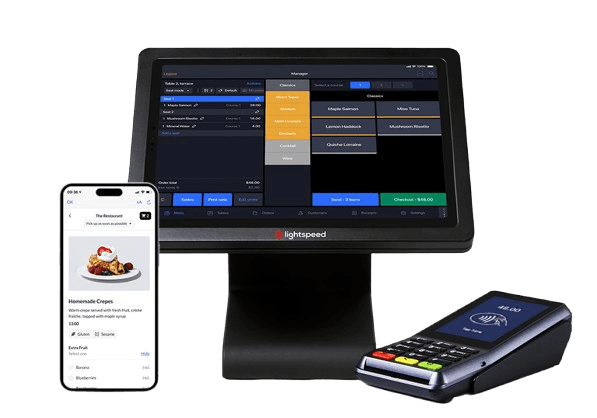
Many kitchens now use Kitchen Display Systems (KDS)—digital screens that replace paper tickets. Orders appear on monitors at each station, color-coded by timing and priority. Servers bump completed items with a touch. But the language persists: chefs still talk about “clearing the rail” and “calling the board” even when there’s no physical rail in sight.
Paper rails remain common in smaller operations, restaurants without reliable WiFi, and kitchens where chefs prefer the tactile feedback of physical tickets. The metal strip is simple, never crashes, and gives everyone a shared visual of the workload. You need thermal paper rolls for your printer and a good spike for spent tickets.
Common Uses
The rail is used at the pass during every service in traditional kitchens. The expo pulls tickets from the printer and clips them to the rail left-to-right. As they fire orders and dishes go out, tickets move left until they're removed. Cooks glance at the rail to see what's ahead. "Two more on the rail" means two new tickets just hit. "Rail is clear" means you're caught up. "Rail it" means drop everything and cook this order now.