Pass
The pass is the counter or window area separating the kitchen from the dining room where finished dishes are placed for servers to pick up, serving as the final quality control checkpoint before food reaches customers.
The pass is the counter or window area between the kitchen and dining room where finished dishes are placed for servers to pick up. It functions as both the physical transfer point and the final quality control checkpoint before food reaches customers. In most restaurants, the pass is managed by an expo or head chef who inspects every plate for proper temperature, garnish placement, and accuracy against the order ticket.
Physical Setup and Design
Pass configurations vary dramatically based on restaurant size and volume. Small operations might have a simple hatch with a ledge, while high-volume establishments can feature 12-meter wide multi-level stations with built-in heating elements. Most passes include heat lamps mounted above or heated surfaces below to maintain proper food temperatures during the brief window between plating and pickup.
Modern pass design increasingly favors double-sided island configurations that prevent servers from entering the kitchen proper. This layout keeps front-of-house traffic separate from cooking zones while maintaining clear sight lines for communication. During off-service hours, many restaurants repurpose the pass area for prep work, making it a multipurpose station rather than single-use equipment.
Operational Role During Service
The pass serves as the communication hub connecting front-of-house and back-of-house operations. The person working the pass—often called “running the pass” or “working the wheel“—coordinates timing between stations, ensures all components of multi-plate orders finish simultaneously, and calls out tickets to line cooks. In fine dining kitchens, head chefs typically stand at the pass throughout service, performing final quality inspections and wiping plate rims with vinegar-water solution before releasing dishes.
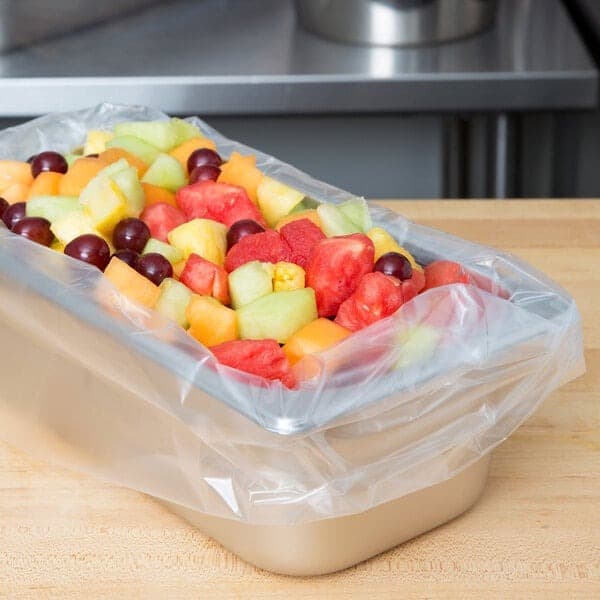
The pass area typically houses essential service tools: stacks of hotel pans holding garnishes and components for final touches, the ticket machine or screen displaying orders, clean side towels, and finishing oils or salts. This positioning allows the expo to add last-second elements without returning to cooking stations.
Common Problems and Solutions
“Dying on the pass” describes the critical problem of finished dishes sitting too long under heat lamps. Food quality degrades rapidly—proteins overcook, sauces break, garnishes wilt. When this happens, dishes typically get scrapped and replated. Preventing this requires tight coordination: the expo must ensure all items for a table finish within 30-60 seconds of each other, and servers must pick up immediately when called.
Temperature control presents ongoing challenges. Heat lamps keep food warm but can’t hold it indefinitely without quality loss. Some restaurants solve this by plating à la minute (to order), accepting slower ticket times in exchange for perfect temperatures. Others use warming candles in upscale settings where ambiance matters, or strategic use of aluminum foil to tent items briefly.
Common Uses
The term "pass" is used constantly during service, typically in phrases like "on the pass" (food ready for pickup), "running the pass" (managing this station), or "dying on the pass" (food sitting too long). Chefs say "pick up table 12" when calling servers to the pass, or "hold the fish" when coordinating timing between stations. The pass is also called the expo window, pass-through, or simply "the window" in different regions and restaurant types. In brigade-style kitchens, "expediting" specifically refers to managing this station.