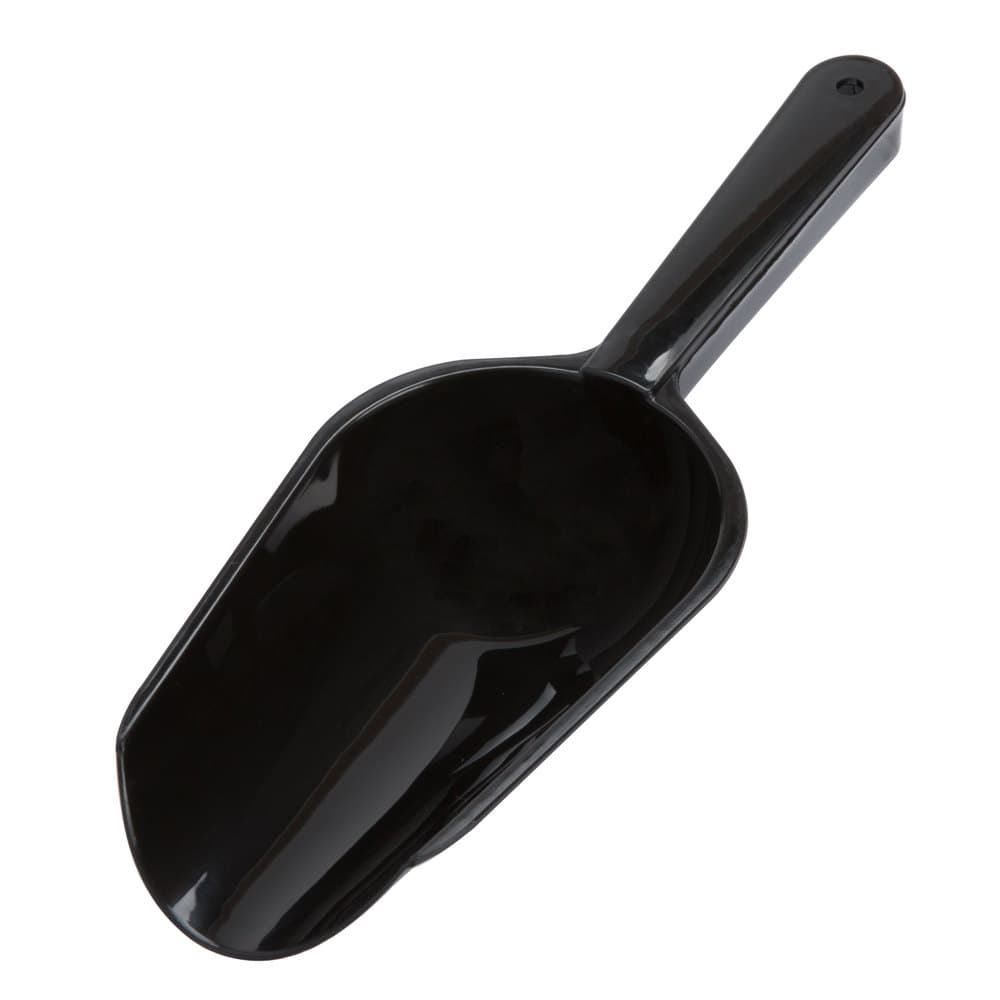
Bar Ice Scoop
A bar ice scoop is a food-safe utensil designed to transfer ice from ice machines or bins into glasses, shakers, and containers while preventing contamination, as required by FDA regulations that classify ice as food.
A bar ice scoop is a specialized utensil designed to transfer ice from ice bins or machines into glasses, shakers, and containers while maintaining sanitary conditions required by health departments. Unlike using hands or glassware—both prohibited by FDA regulations—ice scoops prevent contamination by eliminating direct contact between hands and ice, which must be treated as food under CFR Title 21.
Materials and Construction
Ice scoops come in three primary materials, each with distinct advantages. Stainless steel offers the best sanitation and durability, with corrosion resistance that makes cleaning and sanitizing straightforward for long-term use. Aluminum scoops provide excellent strength at lighter weight, ideal for high-volume bars where staff scoop ice continuously throughout service. Polycarbonate and polypropylene plastic scoops cost less upfront but replace more frequently under heavy use.
Many commercial scoops feature drainage holes or perforations that allow meltwater to drain back into the bin rather than diluting drinks. Serrated edges help break up clumped ice, while knuckle guards protect bartenders’ hands from constant cold exposure during busy shifts.
Size Selection
Ice scoop capacity ranges from 4 oz. to 85 oz., with 6-24 oz. being the sweet spot for most bar operations. Smaller 4-10 oz. scoops work well for craft cocktail bars where precise ice portions matter for individual drinks prepared in a mixing glass or Boston shaker. Medium 12-24 oz. scoops handle general bar service efficiently, filling cocktail shakers and highball glasses without excessive motion. Larger 32-85 oz. scoops transfer bulk ice to service wells or restock bar stations quickly.
Proper Storage and Handling
Health departments require ice scoops to be stored outside the ice machine in a designated container—never inside the ice bin where they can introduce contamination. NSF-approved scoop caddies or holders mounted near the ice well or integrated into the speed rail keep scoops clean and accessible. Staff must hold only the handle, never touching the bowl or ice-contact surfaces.
Regular washing and sanitizing is mandatory for food safety compliance. Ice scoops should be cleaned throughout service and thoroughly washed at shift end using hot water, detergent, and sanitizing solution from a sanitizer bucket. Most polycarbonate and stainless steel models are dishwasher safe for consistent sanitation.
Health Code Compliance
FDA regulations under CFR Title 21, Section 1250.28 explicitly require ice in contact with food or beverages to be stored and handled to avoid contamination. Using glassware to scoop ice creates two violations: potential glass chips breaking off into the ice bin, and introducing bacteria from drink-contact surfaces back into the ice supply. This also prevents cross-contamination between different service areas and maintains the ice as a safe, clean ingredient for guest beverages.
Common Uses
Bartenders use ice scoops throughout service to fill cocktail shakers, mixing glasses, and guest glassware with ice from the ice well or machine. The scoop prevents hand contact with ice—a health code violation—while protecting staff hands from cold exposure during high-volume shifts. Kitchen staff also use larger scoops to transfer bulk ice to prep stations or beverage dispensers. The scoop must be held by the handle only and stored in a clean caddy outside the ice bin between uses to maintain sanitation standards.