Portioning
Portioning is the establishment of standard-sized portions for all menu items and the consistent application of those standards in food preparation and service to ensure uniformity in taste, presentation, and cost control.
Portioning is the establishment of standard-sized portions for all menu items and then following those standards in the preparation and serving of meals. In professional kitchens, this means every customer receives the same quantity of food—whether that’s 6 ounces of protein, ½ cup of sauce, or a specific number of shrimp. The practice directly impacts three critical areas: customer satisfaction through consistency, profitability through food cost control, and operational efficiency during service.
Why Portioning Matters for Your Bottom Line
Even 10% over-portioning can increase your food cost by three percentage points. For a restaurant with $1 million in annual sales and a 30% food cost, this small inconsistency means losing $30,000 in potential profit each year. Under-portioning creates equally serious problems—customers feel cheated, leave negative reviews, and don’t return. Standardized portions eliminate these extremes and create predictable costs that make menu pricing and profitability analysis accurate.
The math is simple: if your salmon dish is designed for a 6-ounce portion but cooks regularly serve 7 ounces, you’re giving away 17% more product than you’re charging for. Multiply that across hundreds of dishes daily, and the financial impact becomes substantial.
Essential Portioning Tools
Professional kitchens rely on specific tools to maintain portion accuracy. Digital portion scales provide precise measurements for proteins, starches, and vegetables. Food dishers and scoops (numbered by volume—#8 scoop holds 4 ounces, #12 holds 2.67 ounces) standardize servings of rice, mashed potatoes, and other soft foods. Ladles and spoodles control liquid portions like soups, sauces, and gravies.
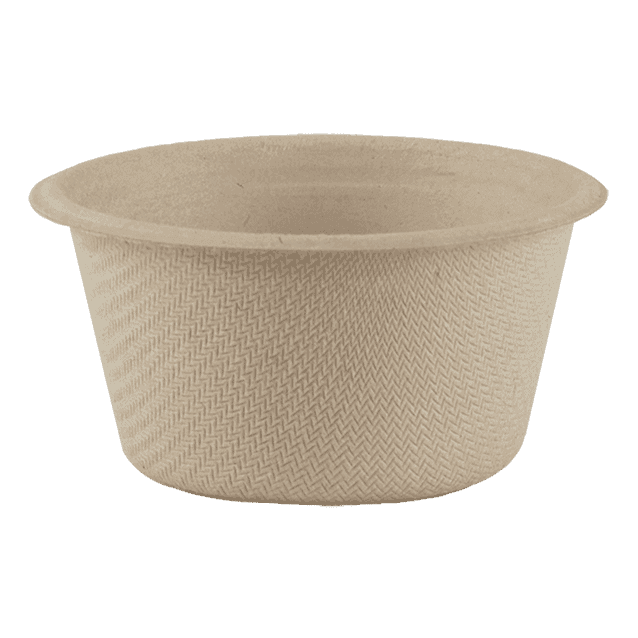
Portion cups and deli containers are indispensable for pre-portioning sauces, dressings, sides, and condiments. Color-coded tools help prevent cross-contamination while making it easy to identify the correct portion size at a glance. Many operators also use batter dispensers for pancakes and other batters to ensure uniform size.
Pre-Portioning During Prep
Pre-portioning ingredients during prep time is standard practice in high-volume operations. Prep cooks measure and package ingredients according to the prep sheet, which specifies exact quantities needed for each menu item. This advance work speeds up ticket times during service because line cooks simply grab pre-measured components rather than stopping to measure mid-rush.
Pre-portioning also improves accuracy when the kitchen is busy and stress levels are high. A cook working from properly organized mise en place with pre-portioned items makes fewer mistakes than one measuring from bulk containers while managing multiple tickets.
Training and Maintaining Standards
Visual aids make portion training more effective than written measurements alone. Photograph each plated dish and post these images at stations. Include portion charts showing what 4 ounces of protein looks like on the plate versus 6 ounces. During line check, verify that correct portioning tools are in place and being used.
Regular audits catch portion creep before it impacts profits. Spot-check plates during service by weighing random items. The expo station serves as the final quality control point where portion sizes can be visually verified before dishes reach customers. Some operations conduct weekly portion audits, pulling items from the line and measuring them against standards.
Portioning and Food Waste
Proper portioning significantly reduces food waste from two angles. First, it prevents over-portioning that leads to plate waste—food customers don’t eat because the serving was too large. Second, it ensures you’re preparing the right total quantity for expected covers, reducing end-of-night disposal. Globally, over 1.05 billion pounds of food waste is generated annually, with oversized restaurant portions contributing substantially to this problem.
Accurate portioning also reduces disposal costs and resonates with environmentally conscious diners who appreciate restaurants that minimize waste. A yield test combined with strict portioning practices tells you exactly how many servings you’ll get from each case of product, eliminating guesswork from ordering.
Common Uses
Portioning is used throughout professional kitchen operations. During prep, cooks measure and package ingredients according to standardized recipes. On the line, cooks use portion tools like scoops, ladles, and scales to build plates consistently. Managers reference portion standards when calculating plate costs and setting menu prices. The expo station verifies portion accuracy before plates leave the kitchen. In training, portion charts and photographs guide new staff on correct serving sizes. During inventory and ordering, operators use portion data to calculate how many servings each case of product will yield. In catering and buffet service, portioning tools ensure consistent servings even when customers aren't receiving individually plated meals.