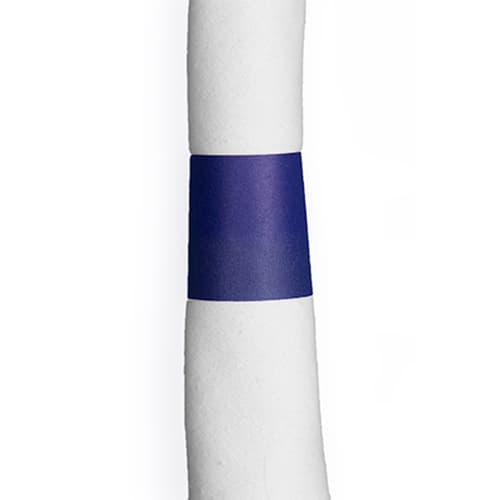
Rollup
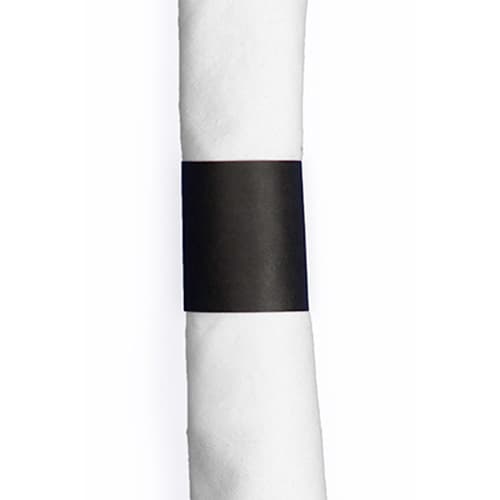
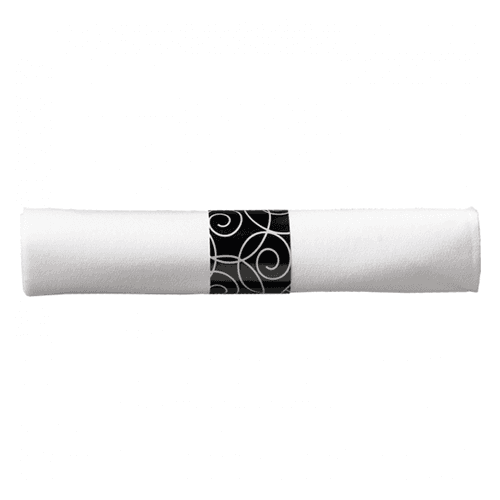
A rollup (also called a 'set up') is silverware—typically fork, knife, and spoon—wrapped inside a napkin for restaurant table service, often secured with a napkin band.
A rollup (also called a ‘set up’) is silverware wrapped inside a napkin for table service. The standard components include a napkin—either paper or cloth—and cutlery, typically a knife, fork, and spoon. Many establishments add a self-adhering napkin band to secure the roll and create a polished presentation.
How Rollups Streamline Restaurant Operations
Rolling silverware allows restaurants to prepare table settings in advance during pre-shift side work. Servers and prep cooks typically handle this task as part of their mise en place. Having rollups ready means faster table turns and more efficient service during busy periods.
Once associated primarily with casual dining—barbecue joints, diners, and buffets—rollups now appear in upscale casual restaurants as well. They keep flatware clean, organized, and easy to distribute. Pre-rolled setups stored at the server station reduce trips to the kitchen and help maintain service flow.
Standard Rolling Technique
The classic method starts with a flat napkin laid diamond-style (corner toward you). Place the silverware diagonally across the napkin with handles pointing to the bottom right corner. Fold the bottom corner up over the handles, then fold the left corner toward the center. Roll the entire package away from you, creating a tight cylinder.
A napkin band slipped over the finished roll keeps everything secure. Color-coded bands can help staff identify different cutlery configurations—child setups with just fork and spoon, or full service with steak knife included.
Labor-Saving Innovations
High-volume operations sometimes turn to automated silverware rolling machines. These devices reduce the repetitive strain on staff and speed up the process considerably. For catering companies and large restaurants, pre-rolled napkin and cutlery sets eliminate the task entirely—though at a higher per-unit cost.
The trade-off is time versus expense. Hand-rolling costs labor hours but uses standard inventory. Pre-rolled products cost more upfront but free staff for other prep work during the crucial pre-service window.
Common Uses
Rollups are prepared during pre-shift side work by servers and support staff. They're stored at server stations or expediting areas for quick access during service. When a table is ready, servers simply place rollups at each seat—often on top of the plate or to the left of the place setting. Rollups appear in everything from barbecue restaurants and diners to upscale casual dining rooms, making them a near-universal practice across full-service establishments.