Server Tray
A server tray is a durable platform, typically circular or rectangular, used by restaurant servers to transport multiple food and beverage items from kitchen to dining area in a single trip.
A server tray is a durable platform used to transport food and drinks from kitchen to dining area, allowing servers to bring orders to an entire table in one trip. Also called waiter trays or waitress trays, these essential tools maximize efficiency during service while reducing the number of trips between kitchen and dining room.
Materials and Construction
Professional server trays are made from stainless steel (most common), fiberglass, melamine-coated pressed wood, heavy-duty plastic, wood composite, or porcelain. Most materials are NSF-listed for food safety and designed to withstand repeated commercial dishwashing in high-volume environments. Non-slip surfaces — textured coatings or rubber inserts — prevent drinks and plates from sliding during transport, though grease buildup requires regular cleaning to maintain effectiveness.
Shapes and Sizes
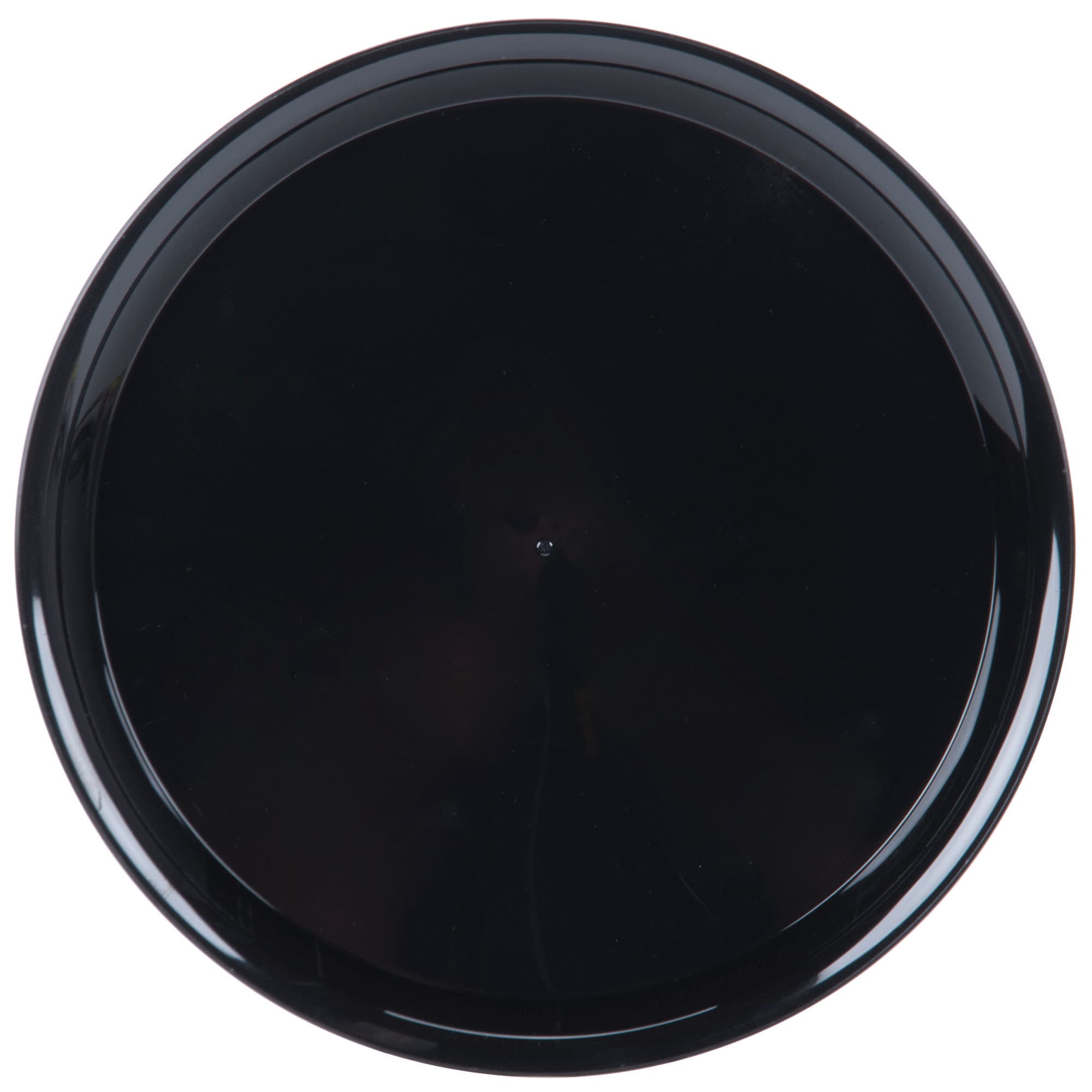
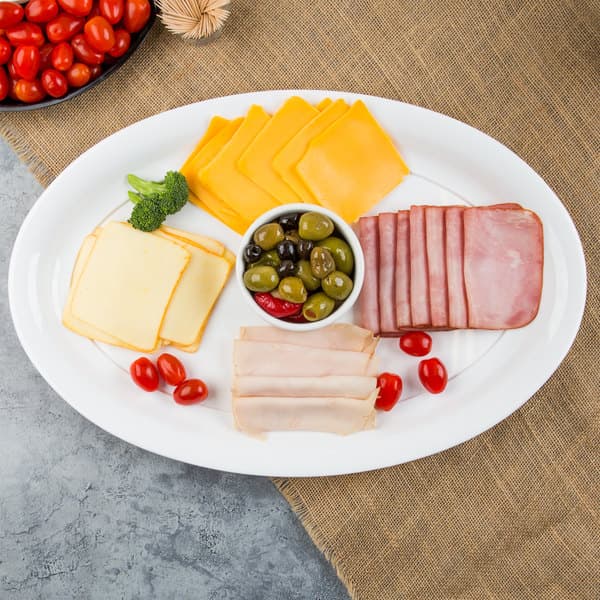
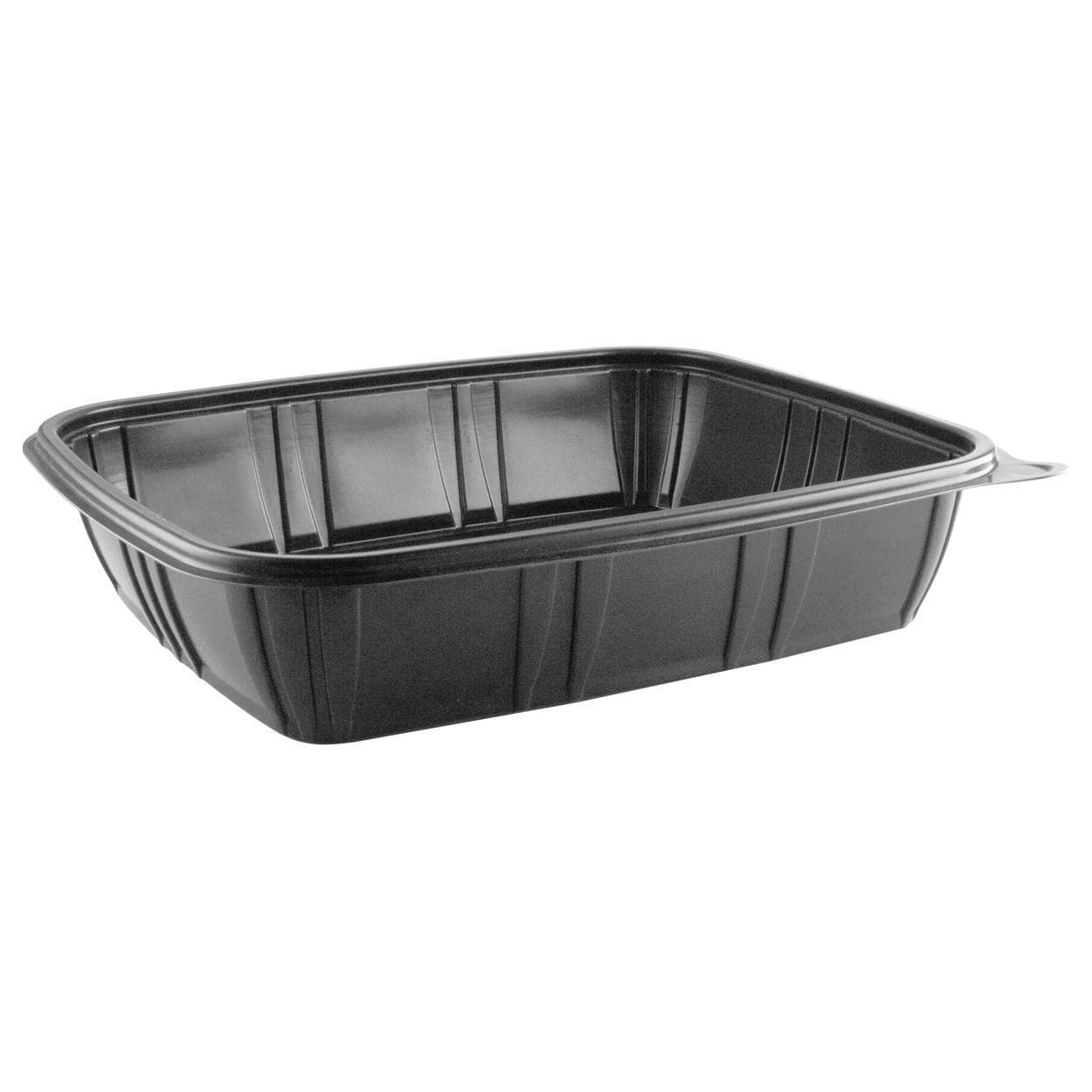
Round trays are standard for drinks service, typically ranging from 12″ to 18″ in diameter. Rectangular trays maximize space for food items like entrees, sandwiches, and appetizers. Oval trays suit small bistro place settings and brunch service. Professional table service trays rarely include handles (servers carry them palm-up), while room service trays often feature handles for easier carrying down corridors.
Proper Carrying Technique
Place your open palm underneath near the center of the tray with fingers spread for support. Position the heaviest items in the center and lighter items at the corners to maintain balance. Keep your arm steady and close to your body, maintain good posture, and take small, measured steps to avoid spills. This technique relies on friction and balance rather than grip strength.
Safety Considerations
In a 2012 hospitality industry survey, nearly 25% of workers reported injuries from toppled serving trays, with 23% experiencing burns or cuts. Proper weight distribution, regular tray maintenance (checking for warping or damage), and staff training on carrying techniques reduce these risks. Never overload a tray beyond what you can safely balance and control.
Server Tray vs. Serving Platter
Server trays feature raised rims to prevent items from sliding off during transport, designed for carrying rather than presentation. Serving platters are flatter with minimal rims, intended for tableside presentations and plated food displays. Use server trays for transport from server stations or kitchens; use platters when presenting food directly to guests at the table.
Common Uses
Servers use trays throughout meal service to carry drinks orders, appetizers, entrees, and cleared dishes. Runners rely on server trays to deliver food from expediting stations to tables during busy shifts. Catering staff use larger trays for buffet setups and event service. Bartenders use smaller round trays for cocktail delivery. Trays are stored at server stations between uses and collected at bus stations after bussing tables.