Steam Table
A steam table is food-holding equipment that uses steam heat to maintain pre-cooked hot foods at safe serving temperatures (135°F or higher) in commercial foodservice operations.
A steam table is food-holding equipment that keeps pre-cooked hot foods at safe serving temperatures using steam heat. It’s standard equipment in buffets, cafeterias, hotels, and catering operations where multiple hot dishes need to remain ready for service over extended periods.
Steam tables feature wells that hold standard hotel pans filled with prepared food. Water heated in a reservoir generates steam that rises around or beneath the food pans, providing gentle, even heat without direct flame contact. This indirect heating method prevents scorching while maintaining the food at 135°F or higher—the minimum temperature required by FDA guidelines to keep food out of the bacterial danger zone.
How Steam Tables Work
The basic operation depends on whether you’re using a wet or dry steam table. Wet steam tables heat water in a built-in reservoir, creating steam that surrounds the food pans for gentle, consistent heating. Dry steam tables use radiant heat from below and require individual water pans (called spillage pans) in each well to add moisture and prevent food from drying out.
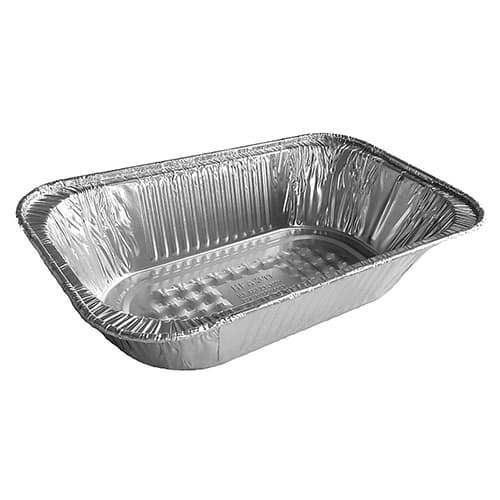
Most units accommodate full-size, half-size, third-size, and quarter-size hotel pans, allowing you to configure wells based on your menu. A four-well steam table might hold two full pans of entrees, four half pans of sides, or any combination that fits your service needs.
Electric vs. Gas Models
Electric steam tables plug into standard outlets and offer precise temperature control through thermostatic or infinite controls. They work anywhere you have power and don’t require gas line installation. Gas models heat faster and may cost less to operate long-term if you have existing gas infrastructure, but they need proper venting and professional installation.
Both types come in stationary and mobile configurations. Mobile units on casters roll to wherever you need them—useful for catering operations or kitchens that reconfigure service areas. Stationary models typically integrate into buffet lines or service counters near the pass where the expo manages outgoing orders.
What Steam Tables Can and Cannot Do
Steam tables hold already-cooked food at safe temperatures. They cannot cook raw food or safely reheat cold food from refrigerator temperatures. Food must be fully cooked and hot (165°F for most items) before going into the steam table, which then maintains that temperature above 135°F.
This limitation matters for food safety and workflow planning. Cold food pulled from refrigeration needs reheating in an oven, stovetop, or microwave before transfer to the steam table. Similarly, raw proteins can’t be cooked from scratch in steam table wells—the heat is too gentle and uneven for safe cooking.
Construction and Durability
Commercial steam tables use stainless steel construction for corrosion resistance and easy cleaning. Look for 18-gauge or heavier steel in high-volume operations where equipment takes daily abuse. Sealed well models have water surrounding the pans, protecting the heating elements and making cleanup easier. Open well models expose heating elements and require spillage pans, creating more cleaning steps but often costing less upfront.
Controls range from simple infinite dials (manual heat adjustment) to digital thermostatic controls that maintain exact temperatures. Digital controls offer better precision but cost more and have electronics that can fail in steam-heavy environments.
Practical Considerations
Managing food in steam tables requires attention to FIFO rotation and quality standards. Food sitting too long loses moisture, texture, and appeal even at proper temperatures. Most operators aim for 2-4 hour maximum hold times, replacing pans regularly during service rather than topping them off.
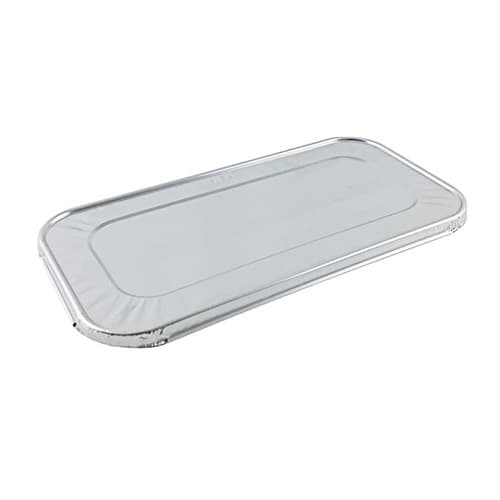
Pan depth affects heat distribution—shallow pans work well for items like flatbreads or roasted vegetables, while deep pans suit soups, stews, and saucy dishes. Medium-depth pans offer versatility for most applications. Always cover pans with lids between service rushes to maintain temperature and moisture, reducing both heat loss and food quality degradation.
Common Uses
Steam tables are essential equipment in buffet service, cafeterias, hotel breakfast areas, and catering operations where multiple hot dishes must remain ready for extended service periods. Kitchen staff load pre-cooked food into hotel pans, place them in the steam table wells, and monitor temperatures throughout service. Cooks and servers alike use the term when communicating about food placement: "Put the mac and cheese in well three" or "the steam table's running low on chicken." In catering contexts, mobile steam tables roll into event spaces, providing hot-holding capacity away from the main kitchen. The equipment appears in both front-of-house buffet lines where guests serve themselves and back-of-house prep areas where expo staff plate orders from held components.