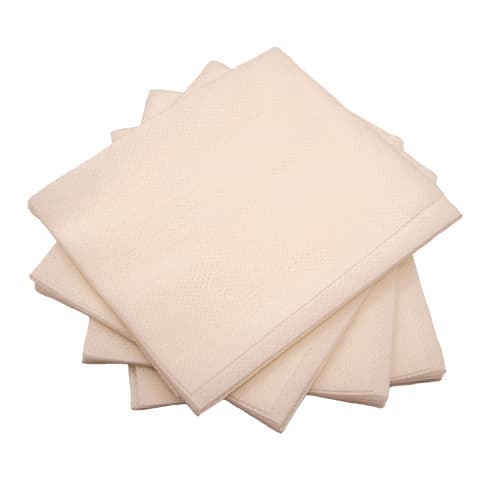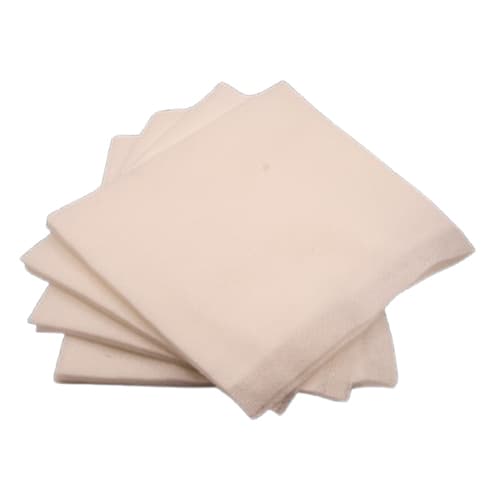
Terry PAR
Terry PAR is the Periodic Automatic Replenishment level applied specifically to terry cloth items — including bath towels, hand towels, washcloths, bath mats, and robes — representing the minimum quantity a hotel must maintain across all inventory stages to support uninterrupted housekeeping operations.
Terry PAR is the minimum quantity of terry cloth inventory — bath towels, hand towels, washcloths, bath mats, and robes — a hotel must keep on hand at all times to support uninterrupted daily operations. PAR stands for Periodic Automatic Replenishment, and the Terry PAR level defines the threshold that triggers a restocking order. It is a subset of the broader Linen PAR system, managed separately because terry items are calculated per room rather than per bed.
The Industry-Standard 3-PAR Model
Most hotels with on-site laundry operate at 3-PAR for terry: one set in the guest room, one set moving through the laundry cycle, and one set clean on the housekeeping cart or shelf ready for the next turnover. This three-set rotation ensures that housekeeping always has clean terry available regardless of where the previous set is in the wash cycle.
Properties using off-site laundry should plan for 4–5 PAR to account for the longer turnaround time. Luxury hotels, resorts, and high-occupancy properties also commonly run at 4–5 PAR to maintain service consistency during peak periods or special events.
How to Calculate Terry PAR
The formula is: (Terry pieces required per room) × (Total rooms) × (Desired PAR level) = Total terry inventory needed. For a 100-room hotel supplying 4 terry pieces per room at 3-PAR, the calculation is 4 × 100 × 3 = 1,200 total pieces. This count represents the minimum inventory the property must maintain across all three stages of the rotation.
Unlike bed linens — which are calculated per bed — terry items are assigned per room based on the guest bathroom, regardless of how many beds the room contains. Mixing these two calculation methods is a common source of under-stocking errors.
What Affects Your Terry PAR Level
Several variables push Terry PAR above the 3-set baseline. Properties with pools, spas, or fitness centers must calculate terry demand for those service points separately — pool towels and spa robes are not interchangeable with guest room inventory and require their own PAR buffers. Deep clean procedures also drive above-average terry consumption and should be reflected in PAR planning.
Loss and damage rates must be factored in as well. Staining, guest theft, and fabric degradation all reduce effective on-hand inventory below the theoretical count. If your physical inventory regularly falls short of your calculated PAR, the loss rate may be the cause — not a counting error.
Properties that provide bathrobes must include them in the Terry PAR calculation. Robes carry a different replacement rate than towels and are typically tracked as a separate line item within the overall terry count.
What Happens When Terry PAR Falls Too Low
Operating below PAR forces housekeeping to run more frequent, smaller laundry loads to keep terry in circulation. Smaller loads are less energy-efficient, use more water and chemical per piece washed, and accelerate fabric wear by increasing wash cycle frequency. The result is higher operating costs and shorter terry product lifespans.
Short terry inventory also creates direct guest-facing problems. When clean towels aren’t ready at turnover, check-in times slip and room readiness scores drop. Maintaining a proper PAR level is one of the most cost-effective ways to protect both guest satisfaction and housekeeping labor efficiency.
Sustainability and Terry PAR
Optimal Terry PAR supports sustainability goals in two ways. First, running full laundry loads at 3-PAR is more efficient than running smaller emergency loads — lowering water, energy, and chemical consumption per item. Second, hotels with towel reuse programs (opt-in hang programs) may be able to reduce effective PAR requirements, shrinking both inventory investment and environmental footprint. Learn more about how these practices connect in sustainable hospitality.
Oversized PAR levels carry their own risk: excess inventory ties up capital and can degrade in storage if not rotated properly, creating textile waste without operational benefit. PAR levels should be reviewed at least twice per year or whenever occupancy patterns, laundry processes, or service standards change.
Who Manages Terry PAR
The Executive Housekeeper or Director of Housekeeping owns Terry PAR management. They track terry counts as part of the property’s overall linen inventory system, often using perpetual inventory tracking to maintain accurate real-time counts. Regular physical audits confirm that theoretical inventory matches what’s actually on the shelf, in the laundry, and staged on carts.
Common Uses
Department & Usage: Terry PAR is managed by the Executive Housekeeper or Director of Housekeeping and is used to set reorder thresholds for all terry cloth inventory across guest rooms, spas, pools, and fitness areas. Purchasing managers reference Terry PAR levels when placing bulk linen orders, and housekeeping supervisors use it daily to confirm that enough clean terry is staged on carts before room turnover begins. Properties also apply Terry PAR benchmarks during budget planning cycles and seasonal demand reviews to adjust inventory levels for peak occupancy periods or off-site laundry transitions.
Sustainability
Maintaining optimal Terry PAR — typically 3-PAR for on-site laundry properties — supports full, efficient laundry loads that reduce water, energy, and chemical consumption compared to the smaller emergency loads triggered by under-stocked inventory. Hotels with guest towel reuse programs (opt-in hang programs) may be able to lower their effective Terry PAR requirements, reducing both inventory investment and environmental impact. Purchasing durable, high-quality terry products extends the replacement cycle, cutting textile waste and procurement frequency. Oversized PAR levels, by contrast, tie up capital and risk inventory degrading unused in storage — a form of supply chain waste that sustainability-focused properties actively monitor. Some properties align Terry PAR reviews with sustainability audits to ensure linen reuse programs and consumption tracking remain current.