Tray Jack
A tray jack is a folding stand used to support service trays near guest tables during restaurant and catering service, allowing servers and bussers to rest heavy loads without placing trays on dining surfaces.
A tray jack is a folding stand that supports service trays near guest tables in restaurants, banquets, and catered events. Servers rest heavy trays loaded with food and beverages on tray jacks instead of placing them directly on dining surfaces, enabling efficient multi-plate delivery without multiple trips to the kitchen. Bussers also use tray jacks to set down heavy bus boxes when clearing tables, reducing worker fatigue and preventing spills during service.
How Tray Jacks Work in Service
Tray jacks allow servers to transport an entire table’s order in one trip, then plate from the tray jack positioned tableside. This approach is standard in fine dining, banquet service, and high-volume catering where efficiency and presentation matter. The stand eliminates the need to balance heavy trays while distributing plates, which reduces accidents and improves service speed.
During formal events and receptions, tray jacks remain at strategic locations to collect soiled dishes before transport to the dishroom. Runners and bussers move between tables and tray jacks, building loads that can be carried efficiently in bus boxes. The expo often coordinates which food trays go to which stations, ensuring smooth service flow.
Materials and Construction
Plastic tray jacks are lightweight, non-porous, and won’t rust—ideal for outdoor catering and high-humidity environments. Metal and chrome versions offer durability with contemporary finishes that suit modern dining rooms. Wood tray stands provide a traditional, elegant appearance with finishes in walnut, mahogany, or black, commonly used in upscale restaurants and country clubs.
Most tray jacks feature four legs connected by nylon straps that hold the stand open during use. The folding design collapses flat for storage in bus stations or service closets between shifts. Look for models with reinforced joints if you’re running high-volume banquets where stands get constant use.
Choosing the Right Height
Tray jacks come in dining height (31 inches), counter height, and bar height (36-38 inches). Match the stand height to your table height so servers can work comfortably without excessive bending or reaching. A tray jack positioned 2-3 inches below table height creates an ergonomic workspace for plating and clearing.
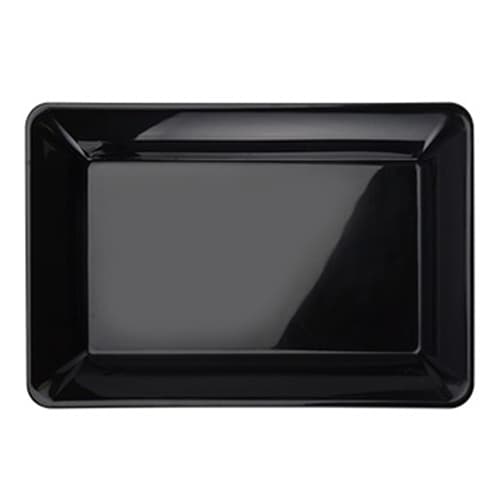
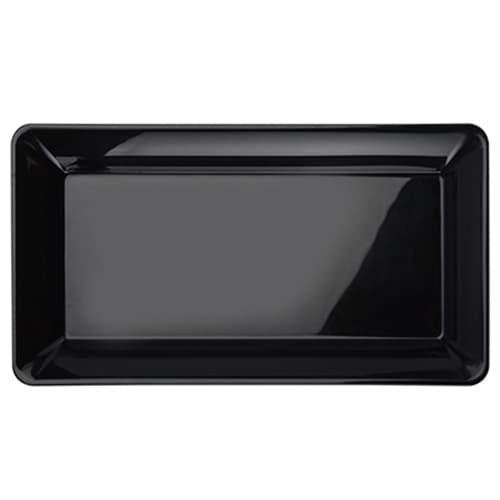
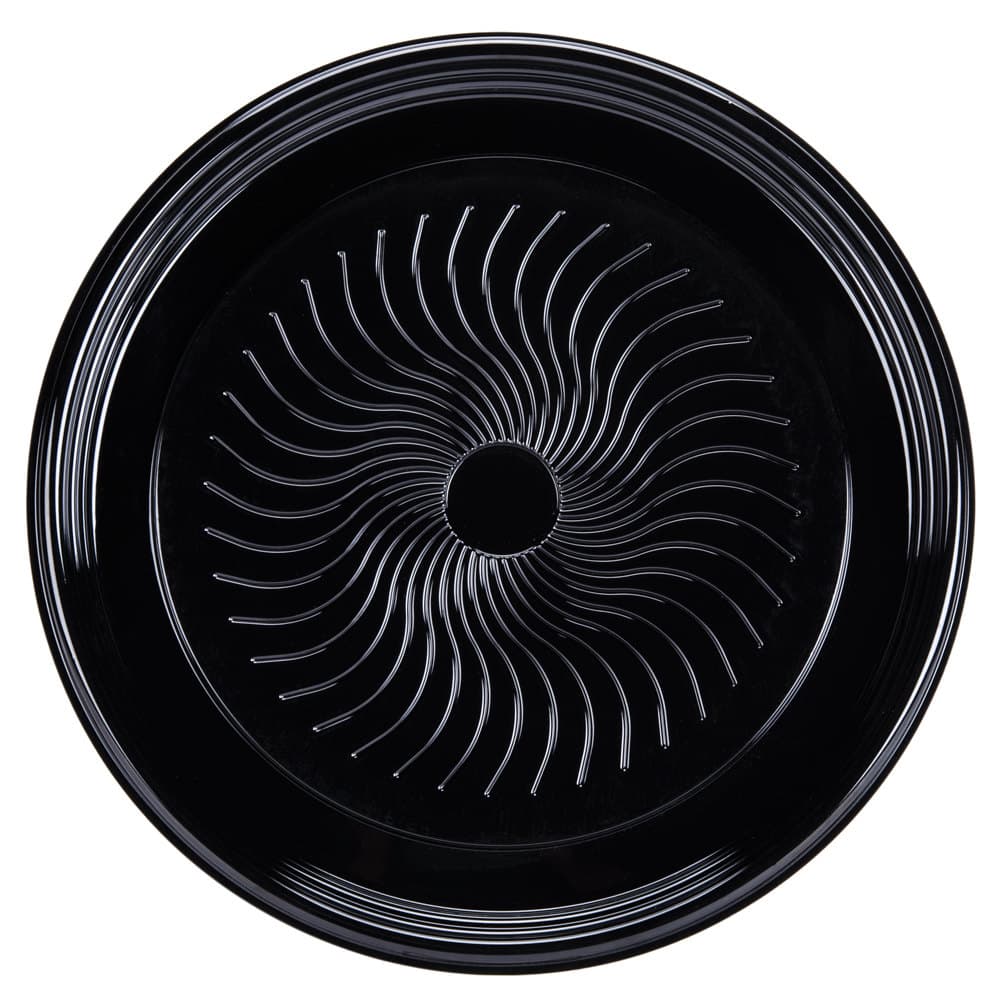
Standard base dimensions run approximately 19 inches by 16 inches, providing stable support for oval and rectangular catering supplies like the Polar Pak 18-inch catering tray or Fineline 12×18-inch rectangular tray. Verify your tray dimensions before purchasing stands to ensure proper fit and balance.
Service Applications
In white-tablecloth restaurants, servers keep tray jacks discreetly positioned near service corridors, rolling them to tables only when needed. Banquet service uses tray jacks throughout the room as permanent stations during meal courses. Catering operations often deploy dozens of tray jacks across event spaces, creating efficient service zones that minimize server travel distance.
Tray stand covers transform functional equipment into polished presentation surfaces during upscale events. These fabric covers match table linens, allowing tray jacks to blend seamlessly into the room design while still serving their practical purpose. The covered stands can temporarily hold chafing dishes or display pieces during cocktail hour before transitioning to service use.
Common Uses
Servers use tray jacks during table service to position loaded trays tableside for efficient multi-plate delivery without multiple kitchen trips. Bussers employ tray jacks when clearing tables, setting down heavy bus boxes to reduce fatigue and prevent spills. During banquets and catered events, tray jacks remain at strategic locations as collection points for soiled dishes before dishroom transport. Fine dining establishments position tray jacks near service corridors for discreet access, while catering operations deploy multiple stands throughout event spaces to create efficient service zones.