Action Station
An action station is a food service station where chefs prepare customized meals in front of guests or guests assemble their own dishes under chef supervision, offering interactive, made-to-order dining experiences rather than pre-plated buffet service.
An action station is a food station where chefs prepare meals in front of guests or guests assemble their own dishes with chef supervision. Unlike buffets with pre-plated food, action stations offer made-to-order customization and live cooking demonstrations.
How Action Stations Work
Two formats dominate: chef-centered stations where culinary staff prepare complete plates (like carving stations or omelet bars), and guest-centered setups where diners customize their own meals under chef guidance (like taco bars or pasta stations). Both require proper mise en place — all ingredients prepped, organized, and ready before service starts.
The performance aspect is key. Guests watch chefs flame-sear steaks, hand-roll sushi, or toss pasta in sauce. This transparency ensures food freshness and creates entertainment value. Equipment varies by station type but typically includes portable burners, chafing dishes, hotel pans for ingredient display, and proper ventless cooking tools approved for front-of-house use.
Popular Action Station Types
Carving stations lead in popularity — chefs slice prime rib, roasted turkey, or beef tenderloin to order. Pasta stations let guests choose noodles, sauces, and proteins for custom combinations. Taco bars offer shells, meats, and toppings for DIY assembly.
Other common formats: omelet stations for breakfast events, sushi rolling demonstrations, dessert crepe stations with sweet toppings, and Asian noodle bars with wok cooking. Pizza stations and waffle bars work well for casual gatherings. Options expand with event themes and budget.
Planning and Staffing Requirements
Industry standard: plan one action station per 100 covers, with two to three staff members per station. This ratio prevents bottlenecks and keeps lines moving. For a 300-guest event, three stations with proper staffing maintain flow.
Stations require more labor than traditional buffets but accommodate various budgets by mixing formats. Combine one chef-attended station with self-serve setups and passed appetizers. Use batch cooking for grab-and-go items alongside custom orders. An expeditor may coordinate multiple stations at large events to ensure timing synchronization.
Packaging Needs for Action Stations
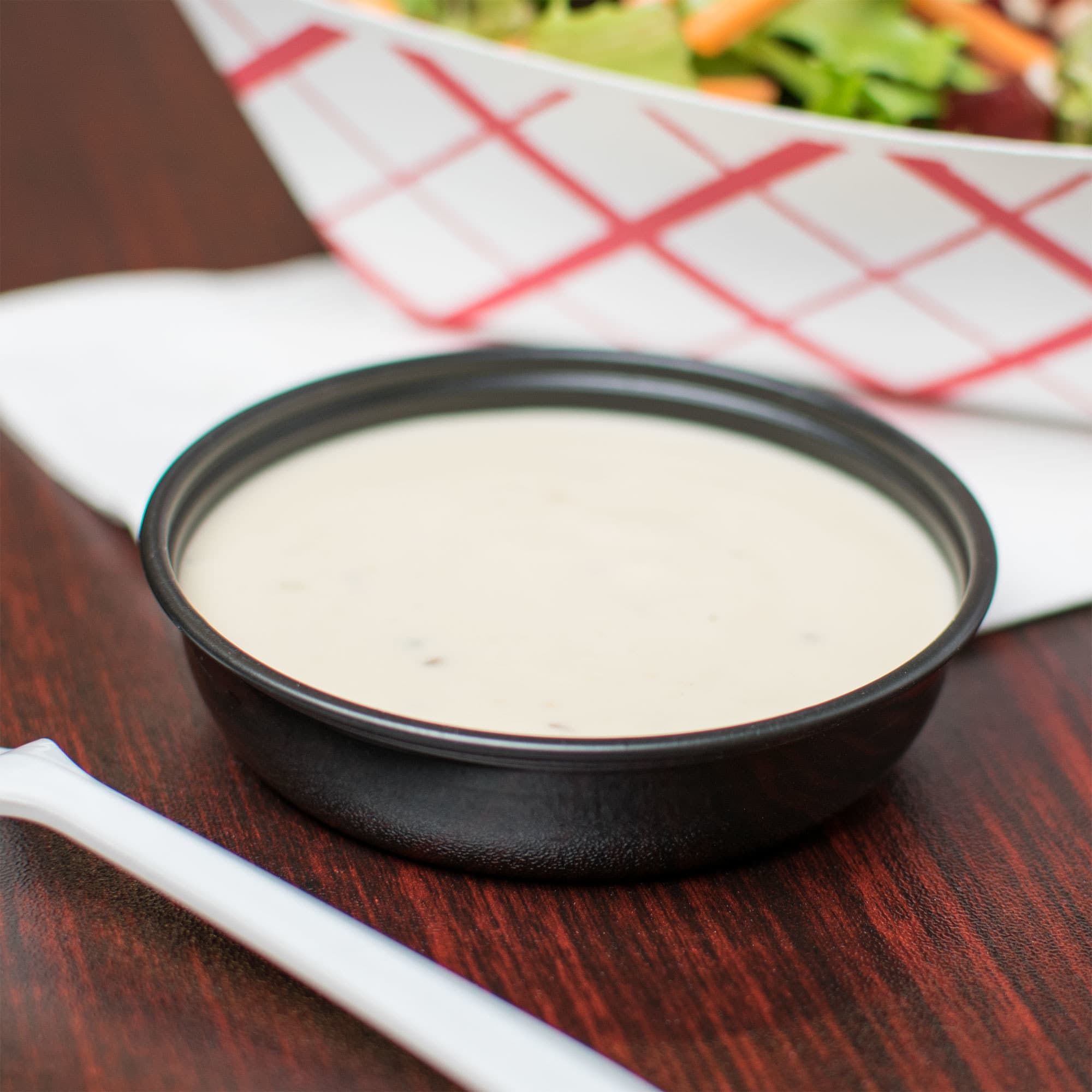
Action stations serving portable meals need appropriate containers. Portion cups organize sauces, toppings, and condiments at customization bars. Pasta stations, noodle bowls, and soup stations require lidded containers guests can carry while mingling.
Deli containers work for hot made-to-order dishes. Small portion cups (2.5-5.5 oz) handle individual toppings at taco bars or dessert stations. Standard 8-32 oz bowls serve entrée-sized portions from noodle bars or pasta stations.
Benefits and Best Practices
Action stations turn dining into entertainment. Guests watch culinary skills in action, creating conversation starters and event memories. Customization accommodates dietary restrictions — vegetarians skip meat, gluten-free guests choose appropriate bases, allergy sufferers control ingredients.
Food stays at proper serving temperature and peak freshness since dishes are prepared on demand. Guests eat when ready rather than adhering to strict seating times. Strategic station placement throughout venues encourages guest movement and prevents crowding in single areas.
Keep lines moving by offering featured menu items alongside custom options. Mix chef-attended stations with self-serve setups. Place stations in different venue zones rather than clustering together. Ensure adequate staffing — understaffed stations create frustration that negates entertainment value.
Key Properties
Common Uses
Action stations appear at weddings, corporate events, galas, and large gatherings where interactive dining enhances guest experience. Common applications include carving stations with prime rib or turkey, pasta stations with multiple sauce options, taco bars for casual events, omelet stations at breakfast functions, sushi rolling demonstrations, dessert crepe stations, Asian noodle bars with wok cooking, and pizza stations. Hotels and conference centers use action stations for banquet service. Caterers deploy them at outdoor events and festivals. Corporate dining programs incorporate action stations for employee appreciation events and client entertainment.
Sustainability
Action stations reduce food waste compared to traditional buffets since chefs prepare portions to order rather than making excess quantities. Made-to-order service means no pre-plated meals sitting under heat lamps. Guests take only what they want, customized to appetite size. Ingredient organization in hotel pans and portion cups allows better inventory tracking. However, action stations require more single-use serviceware for portable dining — portion cups for toppings, individual containers for take-away meals. Choose compostable or recyclable packaging options where possible. Proper staffing ratios prevent overproduction while maintaining service flow.