Chafer
A chafer is a portable, self-contained food-holding unit that uses indirect steam heat (bain-marie method) to keep fully cooked food at safe serving temperatures — 140°F or above — during buffet, banquet, and catering service.
A chafer — short for chafing dish — is a portable, self-contained food-holding system that keeps fully cooked food at safe serving temperatures during buffet and catering service. The word comes from the French chauffer, meaning “to make warm,” and the equipment delivers on that literally: it holds food hot, never cooks it.
How a Chafer Works
Chafers operate on the bain-marie principle — an indirect steam-heat method where a frame supports a water pan over a heat source, and rising steam heats the food pan nested above. This gentle, even heat prevents scorching and maintains consistent temperature across the entire pan.
Heat sources include gel fuel canisters, wick fuel canisters, electric elements, or induction burners. Standard fuel canisters burn for 2–6 hours depending on type and ambient conditions; caterers should always carry spares to avoid a cold buffet mid-service.
Chafer Sizes and Shapes
Chafers come in three standard capacities: full-size (8–9 quarts, rectangular, used primarily for entrees), half-size (4–5 quarts, square or rectangular, for sides and desserts), and 2/3-size (5–6 quarts, for smaller sides and garnishes). Matching the right pan size to your food volume and buffet footprint reduces waste and keeps the line looking clean.
Shape choices include rectangular (the most versatile), round (best for soups and sauces), oval (a modern presentation option for entrees), square (contemporary sides and appetizers), and half-round (tight buffet corners). Lid styles — roll-top, lift-off dome, or hinged — affect both guest interaction and heat retention; roll-top lids are the most common in high-traffic buffet settings.
Types of Chafers for Hotel Operations
Drop-in chafers are permanently installed into countertops and work best for hotels running recurring continental breakfast or permanent buffet lines. They deliver a polished, built-in look and eliminate the setup and breakdown step that portable frames require.
Induction chafers use precise thermostat-controlled heat, produce no open flame, and generate no chemical odor from gel fuel — making them the preferred choice for venue-based caterers running multiple events per week. Electric chafers offer similar benefits for permanent hotel buffet installations.
Coffee chafer urns — a specialized variant holding 1 to 5 gallons — are standard at hotel breakfast service and catered events for dispensing hot coffee and water for tea. Soup chafers (also called marmite chafers) are designed specifically for soups, stews, gravies, and sauces.
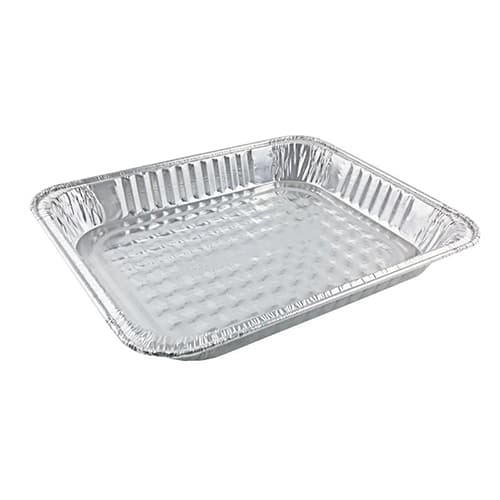
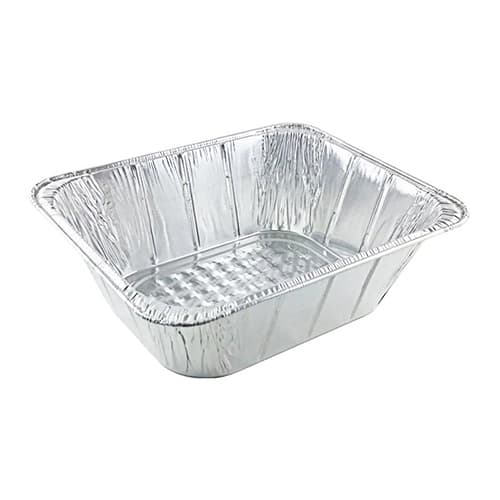
Disposable chafing sets offer a lightweight, single-use option for off-site or one-time catering events where returning and washing equipment isn’t practical.
Material and Construction Standards
Type 304 stainless steel is the industry standard for commercial chafers. It is non-porous, corrosion-resistant, and handles repeated heat-cool cycles and commercial dishwasher runs without warping or pitting — unlike cheaper 400-series alloys. NSF-listed chafers confirm the unit meets the sanitation and construction standards required for professional foodservice environments.
The hotel pans (steam-table pans) that nest inside chafer frames are interchangeable across prep, storage, and service. This enables a prep-to-serve workflow: food moves from the prep kitchen directly into the same pan that goes into the chafer, reducing labor and the number of items to wash after service.
Food Safety Requirements
Chafers are holding equipment — food must be fully cooked to a safe internal temperature (165°F) before it goes into the chafer. Once in service, the FDA Food Code requires hot-held food to stay at 140°F or above. NSF-listed commercial chafers typically maintain food in the 150°F–200°F range under normal operating conditions.
Hot-holding temperature is a Critical Control Point under HACCP plans. ServSafe guidelines require staff to check food temperatures with a probe thermometer throughout service and record readings in a temperature log. Keeping food above 140°F is the primary strategy for keeping it out of the bacterial growth range covered by the temperature danger zone. For a full overview of these requirements, see time-temperature control.
Chafer Setup Best Practices
- Place the chafer on a stable, level surface before adding any components.
- Fill the water pan with approximately 1 inch of hot water — not cold — to reduce heat-up time.
- Light the fuel or activate the heat source and wait for the water to reach a gentle simmer before placing the food pan.
- Never place raw or cold food into a chafer; it will not reach a safe temperature fast enough to prevent bacterial growth.
- Keep spare fuel canisters at every event to cover service periods longer than the canister’s rated burn time.
At event close, proper break-down procedure includes extinguishing or powering down the heat source, draining the water pan, and sanitizing all stainless components before storage.
Key Properties
Common Uses
Department & Usage: Chafers are used primarily by Banquet & Catering teams and Food & Beverage (F&B) operations. They are the standard hot-holding equipment for hotel breakfast buffets, ballroom banquets, corporate meeting catering, wedding receptions, and off-premise catered events. Drop-in chafers are common in hotels with permanent continental breakfast setups; portable fuel or induction chafers are standard for ballroom and off-site events. Coffee chafer urns appear at virtually every hotel breakfast service and catered meeting. F&B directors and purchasing managers specify chafer types based on event volume, venue infrastructure, and food safety compliance requirements.
Sustainability
Induction and electric chafers eliminate single-use fuel canisters, reducing chemical waste and ongoing supply costs in high-volume operations. When powered by renewable energy, electric chafers present a meaningfully lower-emission option compared to gel or wick fuel systems.
Disposable chafing sets generate solid waste after each use. Operators prioritizing sustainability should transition to reusable stainless steel chafer frames or use recyclable and compostable pan liners as an intermediate step.
Proper water-level management matters for efficiency: overfilling the water pan extends heat-up time and wastes energy, while underfilling risks burning the pan and degrading food quality. Filling with approximately 1 inch of hot water at setup is the standard practice.