Time-Temperature Control
Time-Temperature Control for Safety (TCS) refers to foods that require specific time and temperature monitoring to prevent unsafe bacterial growth and pathogen multiplication, particularly when held in the Temperature Danger Zone between 41°F and 135°F.
Time-Temperature Control for Safety (TCS) refers to foods that require specific time and temperature monitoring to prevent unsafe bacterial growth and pathogen multiplication. These foods, sometimes called Potentially Hazardous Foods (PHFs), become dangerous when held in the Temperature Danger Zone—between 41°F and 135°F—where pathogens multiply rapidly.
Temperature Danger Zone and Critical Thresholds
The Temperature Danger Zone spans 41°F to 135°F, the range where bacteria in TCS foods can double in number every 20 minutes. Hot-held TCS foods must stay at 135°F or above. Cold-held foods must remain at 41°F or below.
Ready-to-eat TCS foods can safely remain without temperature control for a four-hour window, after which they must be discarded—no exceptions. This applies to items like cut melons sitting on a buffet or prepared sandwiches at room temperature.
The Two-Stage Cooling Process
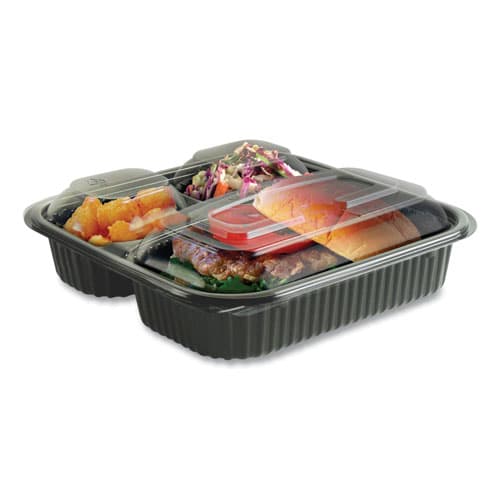
The FDA Food Code mandates a two-stage cooling method for TCS foods. Cool items from 135°F to 70°F within 2 hours, then from 70°F to 41°F within an additional 4 hours (6 hours total). Use shallow takeout containers, ice baths, or blast chillers to speed chilling through the danger zone.
Improper cooling is one of the leading causes of foodborne illness outbreaks. Dense foods like rice, pasta, and thick soups require smaller portions or ice paddles to meet cooling requirements.
Foods Classified as TCS
TCS foods include all animal products: meat, poultry, seafood, eggs, and dairy. Cooked plant-based foods like rice, potatoes, and pasta also qualify. Cut produce—melons, tomatoes, leafy greens—becomes TCS once sliced because cutting exposes interior surfaces to contamination.
Foods are classified based on pH/acidity, water activity, heat treatment, and packaging. Garlic-in-oil mixtures, tofu, sprouts, and cooked beans all require time-temperature control despite their plant origins.
Reheating and Hot-Holding Requirements
TCS foods reheated for hot-holding must reach 165°F within two hours and maintain that temperature for at least 15 seconds. This applies to items like pulled pork, gravies, and pasta dishes heated in hotel pans for service. Foods reheated in a microwave for immediate service must reach 165°F throughout and stand covered for 2 minutes.
Use calibrated thermometers—metal-stemmed, bi-therm, or thermocouple types—to verify temperatures. Insert the probe into the thickest part of the food, avoiding bones or container edges.
Documentation and Labeling Systems
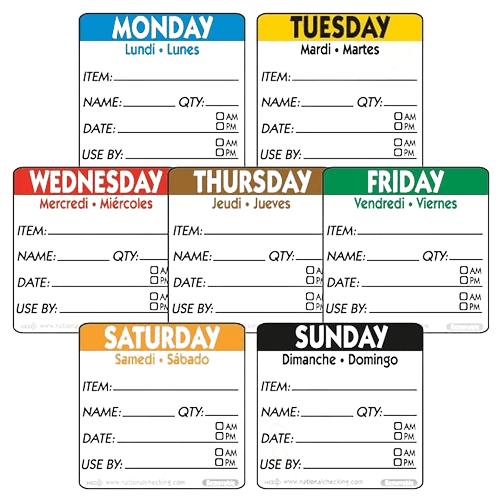
Track TCS foods with food rotation labels that include prep dates and discard times. Implement FIFO rotation in walk-in and reach-in coolers to ensure older TCS items get used first. Store TCS foods in sealed food storage bags or covered with plastic wrap to prevent cross-contamination.
Temperature logs should record actual food temperatures, not just equipment readings. Check multiple items throughout service, especially during peak hours when cooler doors open frequently.
Special Considerations
Modern cooking methods like sous vide require precise time-temperature calculations based on food thickness and target pasteurization levels. Store Cambro containers with TCS foods on lower shelves to prevent drips onto ready-to-eat items below. Never cool TCS foods in sealed containers—trapped heat extends cooling time and creates ideal conditions for anaerobic bacteria like Clostridium botulinum.
Common Uses
Time-Temperature Control is a fundamental protocol used throughout commercial kitchen operations. Cooks reference TCS guidelines when cooling large batches of soup or rice after cooking. Line cooks monitor hot-holding temperatures during service to keep proteins above 135°F. Prep cooks label cut produce with timestamps for the four-hour rule. Health inspectors check temperature logs and probe refrigerated TCS foods during inspections. ServSafe-certified managers train staff on the two-stage cooling method and proper reheating temperatures. The term appears on prep sheets, temperature logs, and kitchen signage reminding staff of danger zone thresholds.