Cocktail Round
A cocktail round is a small-diameter round table, typically 24" to 36" wide and available in standard or high-top (42") height, used in hotel banquet and event operations for standing cocktail receptions and social gatherings — distinct from the larger 60" or 72" banquet rounds used for seated plated dining.
A cocktail round is a small-diameter round table used in hotel banquet and event operations for cocktail receptions, pre-function gatherings, and standing social events. Unlike standard banquet rounds used for seated dining, cocktail rounds are designed to give standing guests a surface to rest drinks and small plates while they mingle.
Cocktail Round Dimensions and Heights
Cocktail rounds typically range from 24″ to 36″ in diameter — significantly smaller than the 60″ or 72″ rounds used for plated banquet meals. They come in two standard heights: standard height (29–30″) for use with chairs or stools, and bar/high-top height (42″) for fully standing receptions, with the high-top being the most common configuration at cocktail hours.
A 30″ or 36″ high-top cocktail round comfortably accommodates 3–4 standing guests. These tables are not intended for full seated dining — they provide surface space, not place settings.
How Cocktail Rounds Differ from Banquet Rounds
A standard banquet round seats 8–12 guests and anchors a plated meal service. A cocktail round is a fraction of that size and serves an entirely different function: keeping guests on their feet and in motion. In a station-style cocktail reception, each cocktail round acts as a casual gathering point rather than an assigned seat.
Both table types appear on hotel floor plans and room diagrams, but they’re documented separately in the Banquet Event Order (BEO). Catering managers and event sales managers specify cocktail round count, diameter, height, and placement when building out reception layouts.
Where and When Cocktail Rounds Are Used
Cocktail rounds are the primary furnishing element in cocktail-style event setups — pre-event cocktail hours, networking receptions, product launches, happy hours, and any event where guest circulation takes priority over seated dining. They’re arranged to maximize open floor space and encourage movement between the bar, passed appetizer service, and conversation clusters.
In hotel operations, cocktail rounds also appear in pre-function areas adjacent to ballrooms, where guests gather before a seated dinner. The floor manager oversees their placement and ensures the setup matches the BEO diagram before doors open.
Supplies Used at Cocktail Rounds
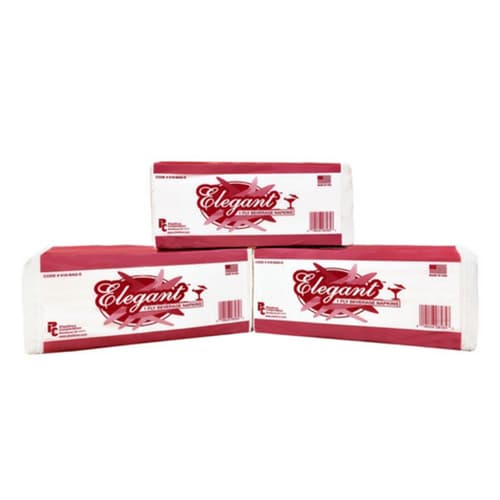
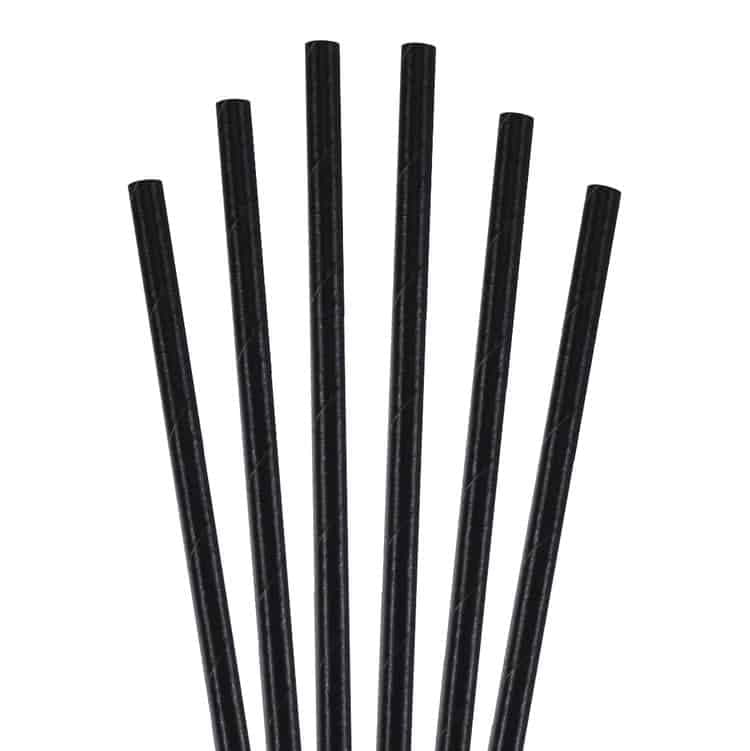
Standard items placed on or used at cocktail rounds include cocktail napkins, small appetizer plates, and cocktail straws or stirrers. Banquet servers use server trays to circulate drinks and passed bites to guests standing at and between tables.
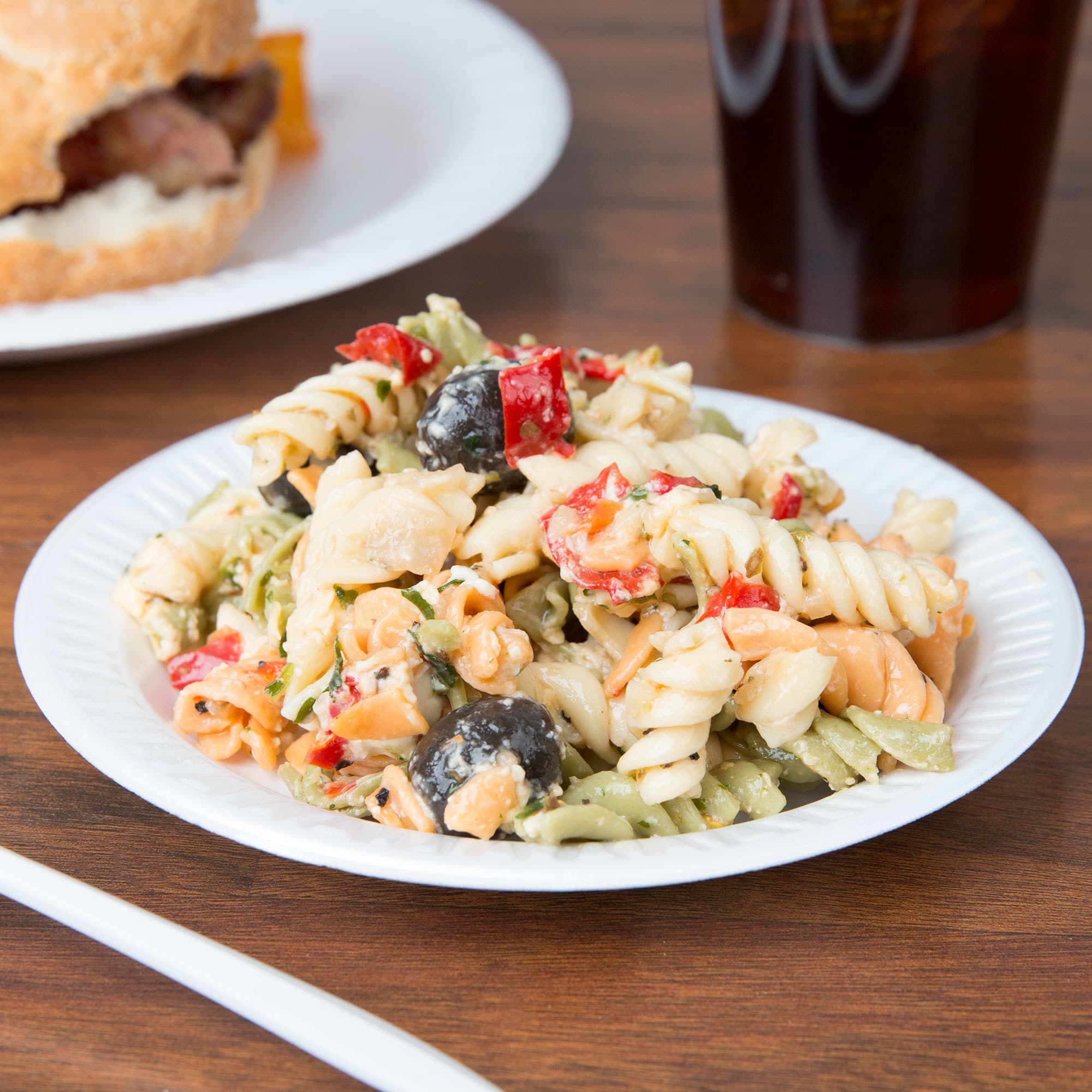
For beverage service, straws and stirrers are a core consumable at any adjacent bar station. High-volume cocktail receptions may go through thousands of cocktail napkins and straws per event — stocking both in bulk is standard practice for hotel banquet departments. Browse napkins and fiber plates sized for cocktail-round service.
Small-format plates — typically 6″ in diameter — are the right size for cocktail-round service portions. Larger dinner plates are impractical for standing guests. Linen, small floral arrangements, or candles often round out the table presentation; see table covers for cocktail round linen options.
Banquet Operations: Setup and Breakdown
The banquet and catering department manages cocktail round inventory, storage, and deployment. Tables are stored flat or folded and transported to function spaces as needed. Setting up and resetting cocktail rounds is a standard part of banquet staff side work before and after events.
During the pre-shift, banquet staff review the BEO for cocktail round count, placement diagrams, and linen or supply requirements. At the end of an event, the break down process includes clearing, folding, and returning cocktail rounds to storage.
ADA and Safety Considerations
The Americans with Disabilities Act (ADA) requires accessible routes of at least 36″ between event furniture in public spaces, with a 60″ turning diameter for wheelchair access. Banquet managers must account for cocktail round placement in floor plans to maintain compliant clearances. OSHA guidelines also apply to staff handling and moving tables during setup.
Sustainability at Cocktail Receptions
Cocktail rounds generate significant single-use waste — napkins, straws, and small plates accumulate quickly at high-volume receptions. Many hotels have moved toward compostable or plant-based alternatives to reduce this impact. Agave and paper cocktail straws replace plastic, while bagasse fiber plates offer a compostable swap for foam. Some properties also run linen-free high-top programs, using bare or decorative tabletops to cut laundry costs and water use. For more ideas, see 20 Simple Changes to Make Your Restaurant or Bar Eco Friendly Today.
Key Properties
Common Uses
Department & Usage: The banquet and catering department manages cocktail round inventory, placement, and service. Catering managers and BEO coordinators specify table count, diameter, height, and layout in event orders. The floor manager oversees setup and service flow during live events. Cocktail rounds appear in hotel pre-function areas, ballroom receptions, networking events, product launches, and cocktail hours preceding seated dinners — any event format where guest movement and mingling take priority over fixed seating.
Sustainability
Cocktail receptions generate high volumes of single-use waste, with cocktail napkins, straws, and small plates among the primary contributors. Hotels can reduce this impact by switching to compostable alternatives: agave or paper cocktail straws in place of plastic, and bagasse fiber plates instead of foam. Some properties operate linen-free high-top programs — using bare or decorated tabletops — to lower laundry costs and water consumption. BPI-certified and plant-based options are increasingly available in bulk quantities suited for large-scale banquet operations.
Related Products