Cocktail Straws
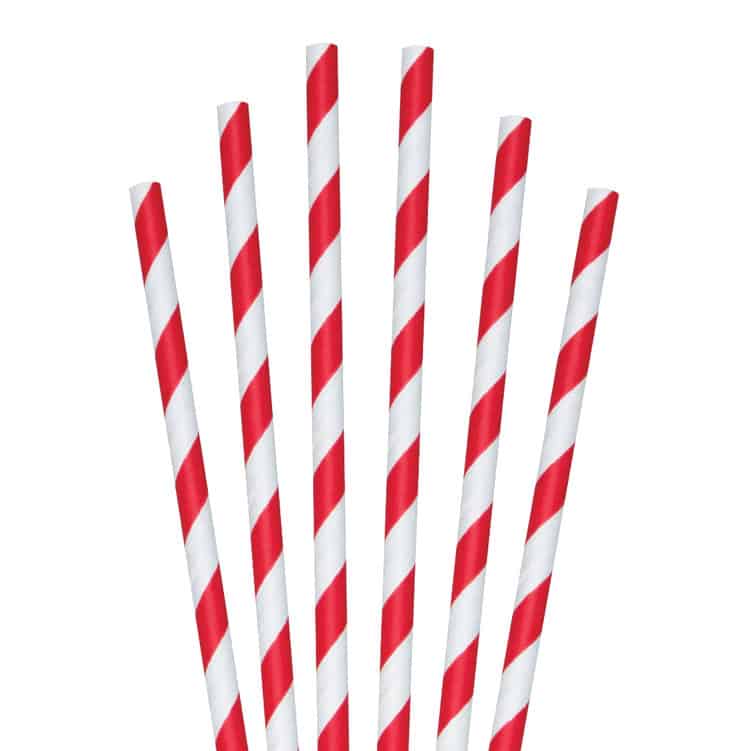
Cocktail straws are short drinking straws measuring 5.25" to 5.75" in length with a narrow 3-5mm diameter, designed specifically for sipping and stirring cocktails served in lowball, rocks, and shorter cocktail glasses.
Cocktail straws are short drinking straws measuring 5.25″ to 5.75″ in length with a narrow 3-5mm diameter, designed specifically for cocktails served in lowball, rocks, and shorter cocktail glasses. The compact size fits proportionally in these vessels while the narrow bore controls drinking pace and maintains the aromatic profile of spirit-forward drinks.
Why Cocktail Straws Are Narrower Than Regular Straws
The standard 3mm diameter creates a slower, more controlled flow rate compared to regular 6-7mm straws. This design helps guests pace their consumption of alcoholic beverages and prevents rapid drinking that can diminish the cocktail experience. The narrow column also concentrates aromatics, delivering a more focused sensory experience with each sip.
Bartenders use this narrow diameter for the “straw test” — dunking a straw into a finished cocktail, covering the top with a finger to trap liquid, and tasting to verify flavor balance before serving. The small sample size makes this quality control technique practical throughout a busy shift.
The Dual-Purpose Design
Industry professionals call these tools “sip stirrers” because they serve both functions effectively. The narrow profile allows gentle stirring to maintain balance as ice melts without over-diluting the drink. Guests can use the same straw for controlled sipping, though in formal cocktail settings they’re primarily intended for stirring.
Two straws often appear together in drinks with crushed ice or thicker consistency. The narrow diameter creates too much resistance for easy drinking with just one straw in these applications, so pairing them allows better flow while maintaining portion control.
Material Options and Sustainability
Plastic straw bans in California, Oregon, New York, and cities across Washington, New Jersey, Florida, and Hawaii have driven demand for paper straws and other eco-friendly alternatives. Americans use approximately 500 million single-use plastic straws daily, making them the 7th most common source of coastal plastic waste.
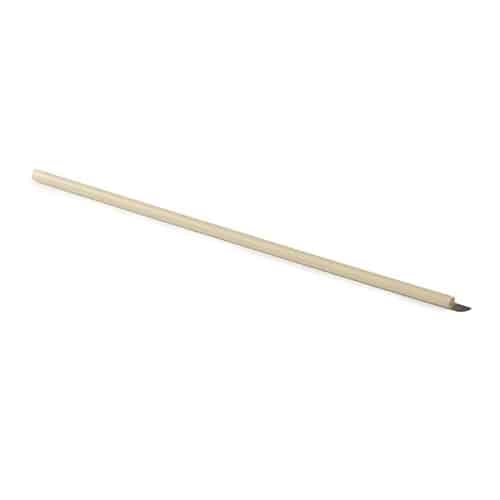
Sustainable options now include PHA straws made from canola oil (both commercially and home compostable), agave fiber straws from agricultural waste, and natural materials like reed, bamboo, and wheat stem. These alternatives carry certifications like BPI Certified Compostable, ASTM D6400, and TUV OK compost HOME, ensuring legitimate environmental benefits.
Reusable options — stainless steel, glass, and silicone — have higher manufacturing emissions but extended lifespan makes them effective for operations committed to waste reduction. Natural fiber options are PFAS-free and fully compostable, addressing both immediate waste concerns and long-term environmental health.
Professional Bar Applications
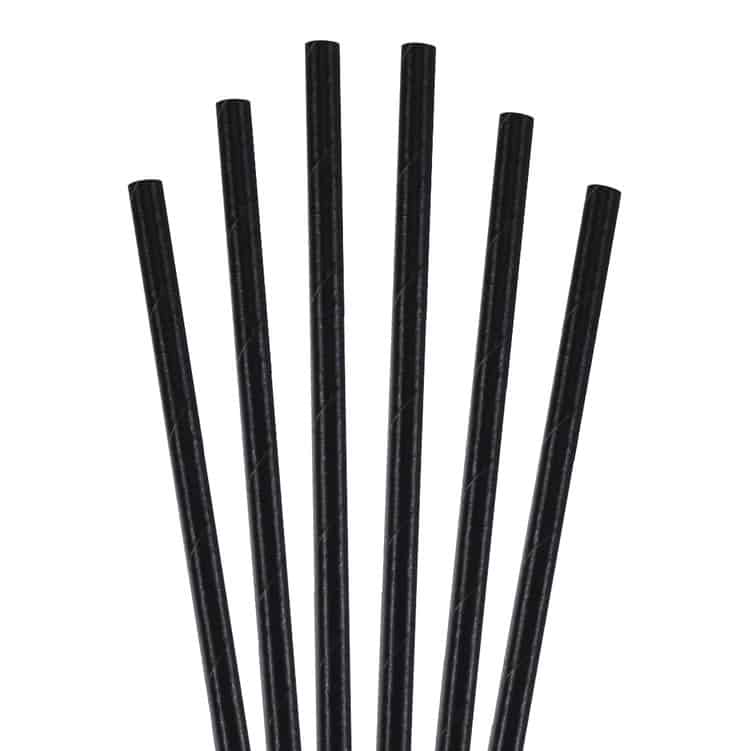
Black and white remain standard colors for professional settings, maintaining visual consistency across craft cocktail programs. Wrapped versions meet sanitation requirements in certain jurisdictions, while unwrapped straws reduce packaging waste where health codes permit.
High-volume bars store cocktail straws in bar caddies or garnish trays at service stations for quick access during rush periods. The shorter length prevents them from toppling glasses when pre-placed, unlike standard-length straws that can create balance issues in rocks glasses.
Choosing the Right Cocktail Straws
Match material durability to your cocktail program’s needs. Paper straws work well for quick-consuming drinks but may soften in long-sipping cocktails. PHA and agave options maintain integrity longer while offering compostability. Consider your local regulations — some jurisdictions require individually wrapped straws, while others encourage unwrapped to reduce waste.
For crushed ice cocktails like mint juleps or swizzles, stock both single-diameter and paired options. The flow resistance varies significantly based on ice consistency, and having flexibility prevents guest frustration. Professional operations typically order in cases of 2,000-5,000 units to balance inventory costs with storage space.
Common Uses
Bartenders use cocktail straws for the "straw test" quality control method, where they dunk a straw into a finished drink, cover one end to trap liquid, and taste to verify flavor balance before serving. Guests use them for controlled sipping of spirit-forward cocktails, with the narrow 3mm diameter slowing consumption pace and concentrating aromatics. In professional settings, they primarily serve as stirrers to gently maintain balance as ice melts, though casual bars permit both stirring and sipping. Two straws are commonly served together in drinks with crushed ice or thicker consistency, as the narrow diameter creates too much flow resistance with a single straw. Cocktail straws fit proportionally in lowball glasses, rocks glasses, and shorter cocktail vessels where standard 7.75"-8" straws would appear oversized.
Sustainability
Americans use approximately 500 million single-use plastic straws daily, making straws the 7th most common source of plastic waste in coastal areas. Plastic straw bans in California, Oregon, New York, and cities across Washington, New Jersey, Florida, and Hawaii have made eco-friendly alternatives essential for bar operations. Sustainable options include paper (biodegradable but shorter lifespan in liquids), PHA made from canola oil (home and commercially compostable with TUV OK compost HOME certification), agave fiber from agricultural waste (PFAS-free and compostable), and natural materials like reed, bamboo, and wheat stem (100% plant-based and certified compostable). Reusable stainless steel, glass, and silicone options have higher manufacturing emissions but extended lifespan makes them highly effective for environmentally conscious operations. Look for BPI Certified Compostable and ASTM D6400 certifications when selecting compostable materials to ensure legitimate environmental performance.