Dough Sheeter
A dough sheeter is a machine designed to roll out dough into uniform sheets of desired thickness by feeding it between two or more rotating rollers that compress and flatten it.
A dough sheeter is a machine that rolls out dough into uniform sheets of desired thickness by feeding it between two or more rotating rollers that compress and flatten it. Commercial kitchens rely on these machines to eliminate the inconsistency and labor of hand-rolling, particularly in high-volume bakery and pizza operations where uniform thickness directly affects baking times and product quality.
How Dough Sheeters Work
The machine operates by passing dough between adjustable rollers that gradually compress it to the specified thickness. This process presses out gasses and develops gluten in wheat-based doughs, which toughens the dough and creates a more structured final product. Most commercial units feature adjustable roller gaps ranging from paper-thin laminated pastry to thick pizza crusts, with settings typically controlled by a hand wheel or digital panel.
Electric models power the rollers with a motor and use a conveyor belt system to pull dough through automatically, while manual sheeters require hand-cranking and are suitable only for small-batch operations. The first US patent for a dough sheeter was filed by Anetsburger Brothers in 1941, with subsequent innovations like the reversible sheeter patented by Gustav A. Seewer (founder of Rondo Burgdorf) in the 1950s.
Types and Sizes
Manual dough sheeters are operated by hand crank and work well for small-scale kitchens with limited volume, requiring no electricity and minimal space. Electric dough sheeters are motor-powered and designed for commercial use, offering higher efficiency and the ability to process large quantities continuously without operator fatigue.
Commercial floor-type models range from 83 inches to 118 inches long and require dedicated floor space but handle the highest volumes. Countertop models occupy less space and suit operations with moderate dough volume. Pricing spans from approximately $1,600 for basic countertop units to over $15,000 for industrial floor models with advanced features and larger capacities.
Applications and Dough Types
Dough sheeters handle various dough types including laminated doughs for croissants and puff pastry, pizza crusts, cookie dough, bread dough, fondant for cake decorating, and even sticky doughs like ciabatta. Pizzerias use them to roll out pizza dough uniformly and efficiently across hundreds of pies per shift. Bakeries rely on sheeters for preparing pastry dough, croissants, and other laminated products where consistent layering is critical.
Restaurants offering house-made baked items use sheeters to maintain quality standards without dedicating excessive labor to dough work. Catering services depend on them to handle large quantities of dough for events and functions. The consistent thickness achieved by sheetering ensures uniform baking, reducing waste from over- or under-baked portions.
Maintenance and Safety
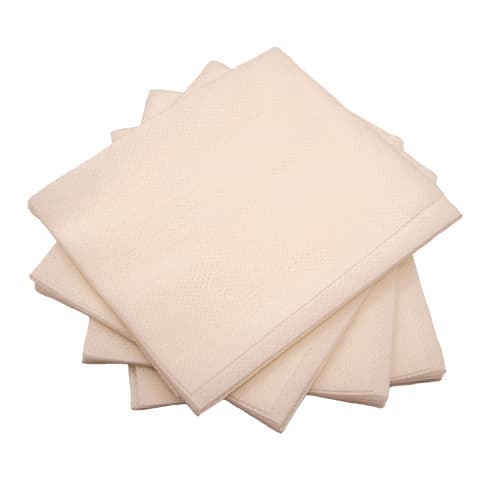
Look for NSF-certified equipment with smooth, easy-clean surfaces to support health code compliance. Most commercial dough sheeters carry CE and ETL certifications ensuring both safety and performance standards. Clean rollers and work surfaces between uses with foodservice towels to prevent dough buildup and maintain hygiene.
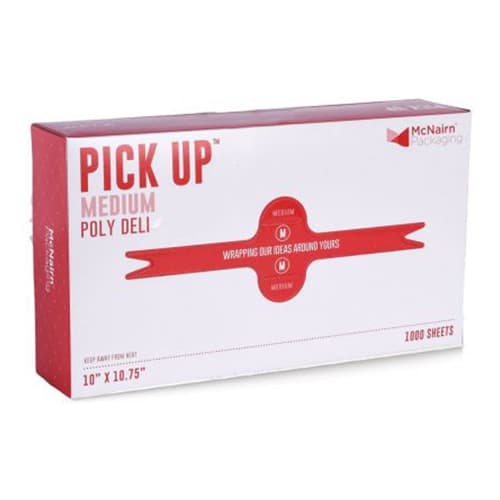
Use deli sheets between dough layers when sheeting to prevent sticking and facilitate handling. Regular roller alignment checks and proper lubrication extend equipment life. Train all operators on safety procedures, particularly emergency stop functions and proper hand positioning.
Integration with Kitchen Workflow
Position dough sheeters near prep tables where dough preparation takes place to streamline workflow. Prep cooks typically operate sheeters as part of their daily responsibilities, processing dough early in the shift to support mise en place. Sheeted dough is commonly placed on sheet pans for proofing, baking, or storage after processing.
Use a bench scraper to portion and handle sheeted dough efficiently. Stock bakery supplies and plastic sheets nearby to prevent dough from drying during processing and storage.
Common Uses
Dough sheeters are standard equipment in pizzerias for rolling out pizza dough uniformly across hundreds of pies per shift. Bakeries use them daily for preparing laminated pastry dough, croissants, and other baked goods where consistent layering and thickness are critical to product quality. Restaurants with in-house baked goods programs rely on sheeters to maintain quality standards without excessive labor costs. Catering operations use them to handle large quantities of dough for events and functions, ensuring consistent results at scale. Prep cooks typically operate these machines early in shifts to support mise en place, processing dough that will be used throughout service.