
Related Categories
About Wholesale Plastic Sheets
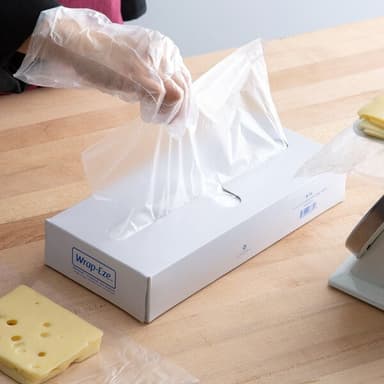
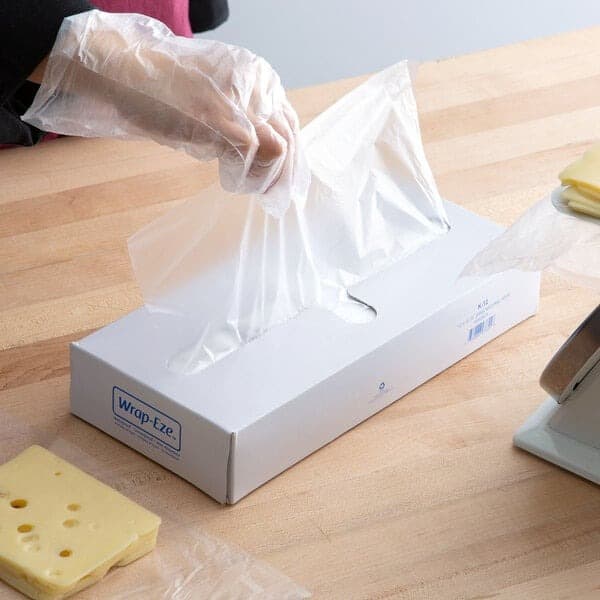
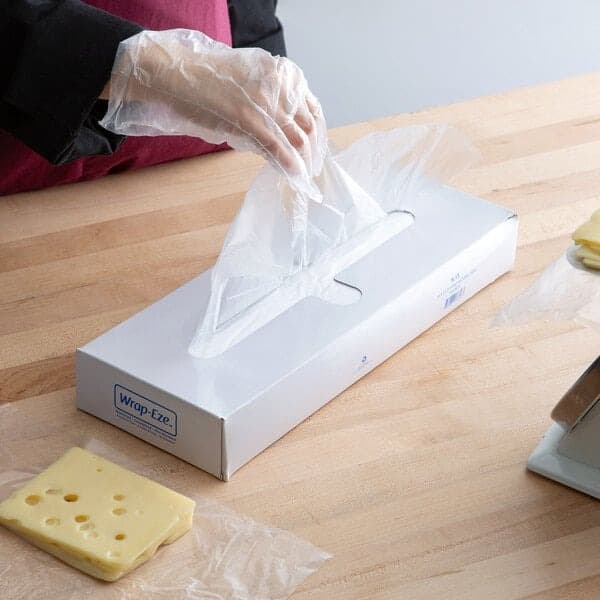
Wholesale plastic sheets provide versatile food service coverage for restaurants, catering operations, and commercial kitchens requiring bulk food wrapping and surface protection. These flat plastic sheets offer convenient portioning and dispensing compared to rolled plastic wrap, making them ideal for high-volume operations. Purchasing plastic sheets in bulk for restaurants ensures consistent food safety practices while maintaining cost efficiency.
Material Options and Sustainability
Food-grade plastic sheets are typically manufactured from polyethylene (PE) or low-density polyethylene (LDPE), offering reliable moisture barriers and food contact safety. Many commercial operations are transitioning to biodegradable or compostable plastic sheet alternatives made from plant-based materials that meet food service standards. Selecting the appropriate material depends on intended use, temperature requirements, and environmental goals for the operation.
Common Applications in Food Service
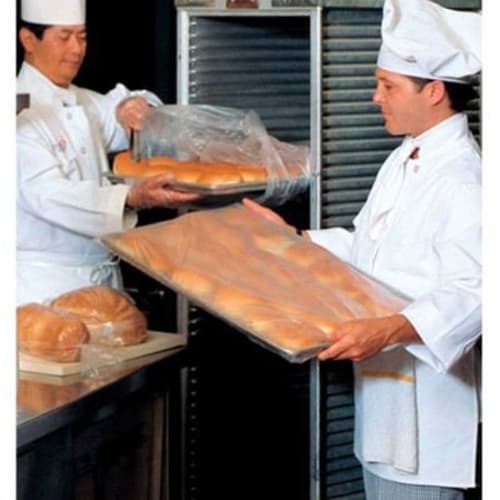
Plastic sheets serve multiple purposes in commercial kitchens, from wrapping individual sandwiches and baked goods to separating layers of prepared foods in storage containers. Catering operations frequently use pre-cut sheets for wrapping box lunches and meal prep components, streamlining assembly workflows. These sheets also function as protective barriers for work surfaces during food preparation and as liners for transport trays.
Size and Dispensing Considerations
Pre-cut plastic sheets eliminate the need for cutting and measuring, saving valuable prep time during busy service periods. Standard sheet sizes typically range from 10x10 inches to 18x24 inches, accommodating various food items from pastries to full entrée platters. Interfolded or flat-stack packaging allows for one-handed dispensing, improving efficiency and reducing cross-contamination risks in fast-paced kitchen environments.
Choosing the Right Plastic Sheets
Consider these factors when selecting wholesale plastic sheets for your food service operation:
- Match Size to Product: Select sheet dimensions based on the most common items being wrapped to minimize waste and ensure adequate coverage without excess material.
- Assess Thickness Requirements: Heavier gauge sheets provide better puncture resistance for items with sharp edges or bones, while lighter sheets work well for dry goods and baked items.
- Consider Dispensing Method: Interfolded sheets allow for quick, sanitary single-sheet dispensing in high-speed prep areas, while flat stacks may suit lower-volume operations.
- Verify Food Contact Safety: Ensure sheets meet FDA requirements for direct food contact and are appropriate for the specific temperature ranges of your applications.
- Calculate Volume Needs: Estimate daily usage to determine optimal case quantities that balance storage space constraints with bulk purchasing advantages for consistent supply.
Frequently asked questions
- What are the primary uses for plastic sheets in foodservice?
- Plastic sheets wrap individual items, separate layered foods in storage, line work surfaces, and line transport trays. Catering operations use them for wrapping box lunches and meal prep components.
- How do I choose the right type of plastic sheet for my business?
- Consider your food items, temperature requirements, environmental goals, and daily volume. Match sheet size to products wrapped, assess thickness needs, and verify FDA food-contact compliance.