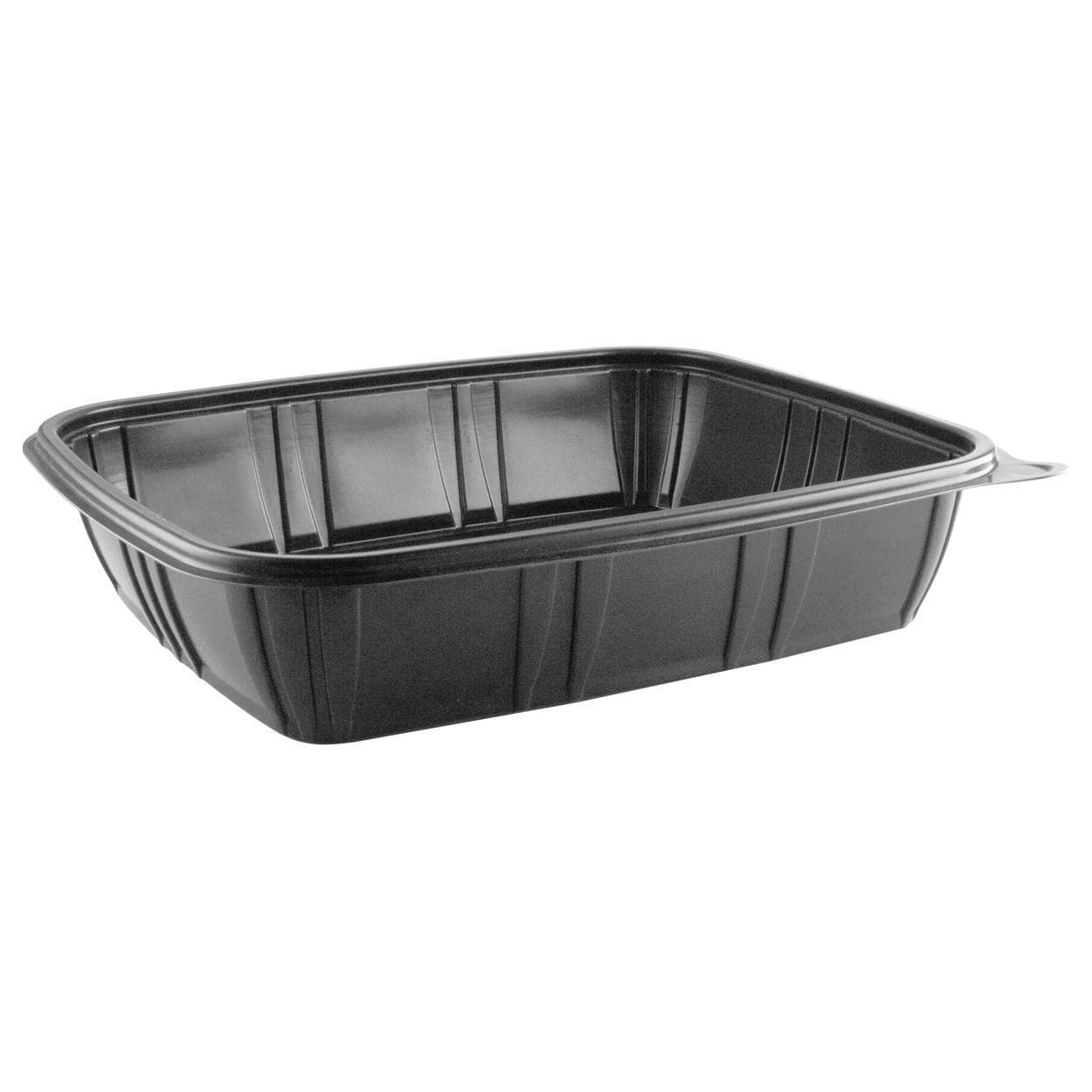
Hot Box
A hot box is an insulated, temperature-controlled container designed to keep food warm or cold during transport from kitchen to service location, maintaining hot food temperatures for 4-6 hours and cold food temperatures for 3-5 hours without electricity.
A hot box is an insulated, temperature-controlled container designed to keep food warm or cold during transport from kitchen to service location. Caterers, restaurants, hospitals, and nursing homes rely on hot boxes to maintain safe food temperatures during off-site delivery and events. These containers come in two main types: passive insulated models that retain existing temperatures through foam construction, and electric-powered units that actively heat food to serving temperature.
How Long Does a Hot Box Keep Food Warm?
Typical insulated hot boxes maintain hot food temperatures for 4-6 hours without electricity. Cold food stays within safe temperature ranges for 3-5 hours using the same insulation technology. Electric models powered by standard 120V outlets maintain temperatures indefinitely, heating food to 160-180°F continuously when plugged in.
This temperature retention keeps food out of the danger zone (40-140°F) where bacterial growth accelerates. For time-temperature control foods during catering transport, hot boxes provide essential protection between kitchen and service point.
Hot Box Capacity and Sizing
Hot boxes range from 36 quarts to 82 quarts for standard operations. Commercial models hold up to 16 full-size hotel pans (also called food pans or steam table pans). Standard configurations typically accommodate 4-6 full-size pans, with adjustable racks for half-size and third-size pan combinations.
Choose capacity based on your typical catering volume. A 40-quart box suits small operations delivering 20-40 meals. High-volume caterers serving 100+ guests need models holding 8-16 full-size pans. Stackable designs let you expand capacity by adding units as your business grows.
Materials and Construction
Hot box construction uses three primary materials. LLDPE (Linear Low-Density Polyethylene) forms durable outer shells resistant to impact and temperature extremes. Food-grade stainless steel (304) provides interior surfaces that meet commercial kitchen sanitation standards. EPP (Expanded Polypropylene) foam insulation delivers superior temperature retention with fully recyclable, sustainable properties.
Double-buckle latches create secure seals that prevent heat loss during transport. Built-in ventilation holes balance air pressure to maintain consistent internal temperatures. Ergonomic handles or wheel systems enable one-person transport of fully loaded units.
Electric vs. Insulated Hot Boxes
Electric hot boxes use 120V power to actively heat food to 160-180°F serving temperature. These units function as mobile warming cabinets, maintaining precise temperatures as long as power remains available. They’re ideal for extended events where electrical outlets are accessible.
Passive insulated hot boxes rely on foam construction to retain existing temperatures for several hours without electricity. Load them with food at proper hot-holding temperature (above 140°F), and the insulation maintains that heat during transport. These models offer greater portability for outdoor events and locations without power access.
Common Uses in Foodservice Operations
Catering operations use hot boxes to transport complete meals from commissary kitchens to event venues. Restaurants deliver bulk orders for corporate lunches and private parties while maintaining food quality. Hospitals and nursing homes move patient meals between central kitchens and service floors. Off-site caterers rely on hot boxes for weddings, sporting events, and outdoor festivals where kitchen facilities are unavailable.
Hot boxes work with standard full-size steam table pans, half-size steam table pans, and third-size steam table pans. Cover pans with aluminum foil to enhance heat retention and prevent moisture loss during transport. This system integrates seamlessly with existing kitchen equipment and catering supplies.
Sustainability and Reusability
Reusable hot boxes reduce single-use packaging waste for catering and food transport operations. Some designs use 100% compostable materials with optional integrated gel refrigerant systems for cold food transport. Fully recyclable EPP foam construction offers environmental advantages over disposable insulated packaging.
Investing in durable hot boxes cuts long-term costs compared to disposable insulated containers. Commercial-grade units last 5-10 years with proper care, eliminating thousands of single-use packages from your supply chain.
Buying Considerations
Match capacity to your typical order size, allowing 20% extra space for growth. Choose electric models when serving locations have reliable power access. Select passive insulated units for outdoor events, mobile catering, and locations without electricity.
Look for NSF-listed food contact surfaces and easy-to-clean interior designs. Stackable models save storage space and vehicle loading area. Wheels or reinforced handles reduce employee strain during transport. Double-wall insulation outperforms single-wall designs for extended holding times.
Key Properties
Common Uses
Hot boxes are essential for catering operations transporting meals from commissary kitchens to event venues. Restaurants use them for bulk delivery of corporate lunches and private party orders. Hospitals and nursing homes move patient meals between central kitchens and service floors. Off-site caterers rely on hot boxes for weddings, outdoor festivals, sporting events, and locations without kitchen facilities. Food delivery services use hot boxes to maintain quality during last-mile transport to customers.
Sustainability
Reusable hot boxes significantly reduce single-use packaging waste in catering and food transport operations. Some models feature 100% compostable materials with optional gel refrigerant systems for cold food applications. Many hot boxes use fully recyclable EPP foam construction that offers environmental advantages over disposable insulated packaging. Commercial-grade units last 5-10 years with proper maintenance, eliminating thousands of single-use insulated containers from supply chains and reducing operational costs over time.