Hot Holding
Hot holding is the process of maintaining fully cooked food at or above 135°F (57°C) to prevent the growth of harmful bacteria before service.
Hot holding is the process of keeping fully cooked food at or above 135°F (57°C) to prevent bacterial growth after cooking but before service. This temperature keeps food out of the danger zone where pathogens like Salmonella and E. coli multiply rapidly.
The FDA Food Code sets 135°F as the minimum hot holding temperature, though many operations use 140°F as their standard. This higher temperature creates a safety buffer that compensates for heat loss when equipment doors open during service or when adding new pans of food.
How Hot Holding Works
Hot holding equipment maintains temperature—it doesn’t cook or reheat food. Food must reach proper internal cooking temperatures (ranging from 135°F for vegetables to 165°F for poultry) before being transferred to holding equipment. Using hot holding equipment to reheat food is a common mistake that violates food safety codes and creates serious health risks.
Equipment must be preheated before adding food to prevent dangerous temperature drops. Steam tables, warming cabinets, heat lamps, chafing dishes, and bain-marie warmers all serve this purpose, each suited to different types of service and food items.
Temperature Monitoring Requirements
Check hot holding temperatures with a calibrated probe thermometer at least every 2 hours during service. Many high-volume operations check more frequently during peak times. Document these readings in a temperature log as part of your HACCP system.
Food maintained at 140°F or above can technically be held indefinitely from a safety standpoint, though quality degrades over time. If food temperature drops below 135°F, you must discard it after 4 hours total time in the danger zone. There’s no safe way to “save” food that’s spent too long at unsafe temperatures.
Common Hot Holding Equipment
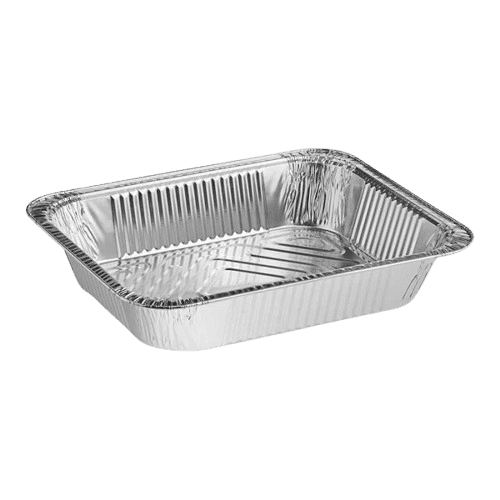
Steam tables with hotel pans are the workhorse of hot holding in restaurants and cafeterias. Water or steam circulates beneath the food pans to provide even heat distribution. Full-size, half-size, and quarter-size pans let you organize different menu items while maintaining proper temperatures for each.
Warming cabinets work well for bulk storage and batch cooking operations. Their insulated construction reduces energy consumption while maintaining uniform temperatures throughout the cabinet. Look for models with NSF Standard 4 certification, which ensures equipment meets commercial safety and performance standards.
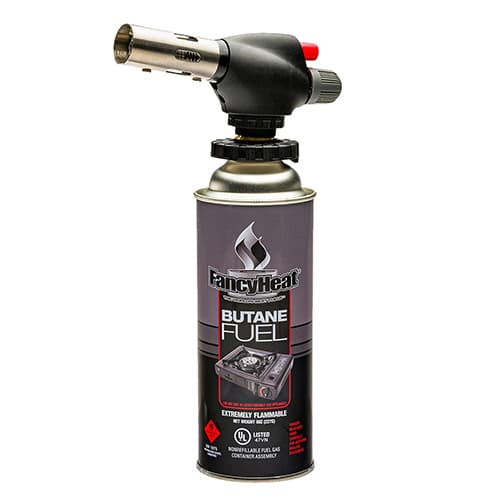
Catering operations rely on portable chafing dishes with canned fuel heat sources. These setups require extra attention since they’re more vulnerable to temperature fluctuations from wind, ambient temperature, and inconsistent heat output as fuel burns down.
Energy Efficiency and Sustainability
ENERGY STAR certified hot holding cabinets use approximately 40% less energy than standard models. The energy savings add up quickly in operations that run holding equipment throughout service periods. Insulated construction in modern units reduces heat loss and lowers energy costs.
Proper hot holding also reduces food waste by preventing the need for repeated reheating, which degrades quality and increases the risk of contamination. This makes hot holding an important part of sustainable kitchen operations when done correctly.
Training and Compliance
ServSafe certification covers hot holding protocols as a core component of food handler training. Staff need to understand not just what temperature to maintain, but why these practices matter and how to respond when equipment fails or temperatures drop.
Health inspections routinely check hot holding temperatures and documentation. Violations in this area are among the most common citations restaurants receive. CDC data shows catering operations cause more foodborne illness outbreaks than restaurants largely due to improper hot holding practices during transport and service.
Common Uses
Hot holding is essential in buffets, cafeterias, catering events, and restaurant kitchens during peak service periods. It's used when food must be prepared in advance but kept safe and ready to serve. Breakfast buffets rely on hot holding for eggs, bacon, and hot entrees. Cafeterias use steam tables to keep multiple menu items at safe temperatures throughout lunch service. Catering operations depend on hot holding during transport and extended service times at events.
The practice works best with batch cooking strategies, where smaller quantities are cooked throughout service rather than holding large volumes for extended periods. This approach maintains better food quality while staying within food safety guidelines. High-volume operations integrate hot holding into their production schedules to balance kitchen efficiency with food safety requirements.