Smoker
A smoker is a commercial cooking appliance that cooks food at low temperatures (typically 126-176°F) while flavoring it with smoke from heated wood chips, logs, or charcoal in a controlled environment.
A smoker is a commercial cooking appliance that slowly cooks food while infusing it with smoke flavor by heating wood chips, logs, or charcoal in a controlled chamber. The appliance maintains low temperatures (typically 126-176°F for hot smoking) over extended periods, making it ideal for tough cuts of meat that benefit from long, slow cooking. Commercial smokers range from compact electric cabinet models for indoor kitchens to large outdoor units capable of handling high-volume operations.
Types of Commercial Smokers
Indoor electric smokers fit inside commercial kitchens and require a Type I hood with fire suppression for proper ventilation. These units are smaller than outdoor models but offer consistent temperature control and are ideal for urban restaurants with limited outdoor space. Cabinet smokers are the most common indoor type, with single-deck models holding 3-5 full-size hotel pans for low-to-medium volume and double-deck models holding 10-14 full-size pans for medium-to-high volume operations.
Outdoor smokers include offset smokers (with separate fireboxes), rotisserie smokers (with rotating racks), drum smokers (vertical barrel-style units), and kamado-style smokers (ceramic egg-shaped cookers). These models provide more cooking space and fuel flexibility but depend on weather conditions. Offset smokers excel at traditional barbecue, while rotisserie models ensure even heat distribution for consistent results.
Hot Smoking vs. Cold Smoking
Hot smoking operates at 126-176°F (52-80°C), cooking food completely while flavoring it with smoke. This method is standard in commercial kitchens for preparing ready-to-serve brisket, ribs, pulled pork, and smoked poultry. The food reaches safe internal temperatures while developing the characteristic smoke ring and bark that customers expect.
Cold smoking occurs at 68-86°F (20-30°C) and flavors food without cooking it, leaving ingredients raw. This technique is used for smoked salmon, cheese, and charcuterie that will be cooked later or consumed raw. Cold smoking requires careful temperature control to prevent bacterial growth while the product develops smoke flavor over many hours or days.
Modern Cook-and-Hold Technology
Commercial smokers from brands like Alto-Shaam, Cres Cor, and Southern Pride now feature programmable cook-and-hold functionality that revolutionizes smoking operations. Operators load the smoker, set the cooking program, and walk away—the unit automatically transitions from smoking to holding temperature once the food reaches the target doneness. This eliminates the need for overnight monitoring and reduces labor by 12-16 hours per week in busy operations.
Alto-Shaam’s Halo Heat technology uses gentle radiant heat without extreme temperature fluctuations, minimizing moisture loss during long cooking cycles. Modern smokers reduce shrinkage to less than 8% compared to traditional methods that lose 15-20% of product weight. Better yield means more servings per pound and significantly reduced food waste.
Ventilation and Installation Requirements
Commercial smokers typically require a Type I kitchen hood with fire suppression, even for electric models, since they produce smoke and food particles that need proper ventilation. The hood must extend beyond the smoker’s footprint and maintain adequate capture velocity to remove smoke before it spreads through the kitchen. Local fire codes and health department regulations dictate specific installation requirements that vary by jurisdiction.
Indoor electric smokers draw less power than gas convection ovens but still require dedicated electrical circuits. Advanced models like Alto-Shaam use low-density thermal cables that reduce electrical consumption while maintaining consistent heat. Outdoor smokers need weather protection, adequate clearance from combustible materials, and consideration for smoke drift that could affect neighboring properties.
Practical Applications in Commercial Kitchens
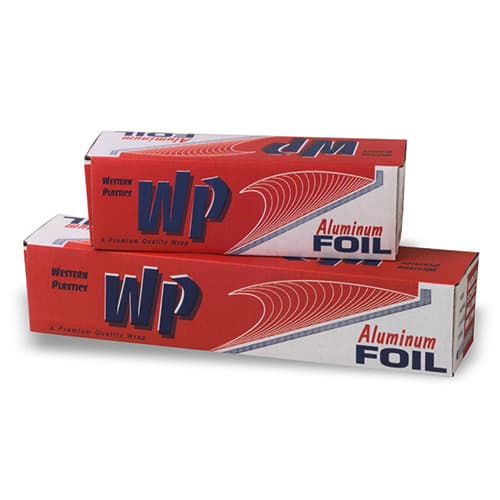
Smokers handle traditional barbecue proteins (brisket, ribs, pulled pork, chicken) but also excel at smoking fish, sausages, and vegetables for depth of flavor. BBQ restaurants and steakhouses use smokers as centerpiece equipment, while hotels and catering operations leverage cook-and-hold features to prepare large batches overnight. Smoked items are typically held in steam tables during service and wrapped in aluminum foil after resting to lock in moisture.
Some operations use smokers to pre-cook items that finish on a char-broiler or salamander for final searing. This approach combines smoke flavor with attractive grill marks and crusty edges. The technique works particularly well for thick-cut steaks and chops that benefit from low-and-slow cooking followed by high-heat finishing.
Historical Background
The Torry Kiln, invented in 1939 at Scotland’s Torry Research Station, is considered the prototype for all modern large-scale commercial smokers. This mechanical kiln introduced controlled temperature and humidity for consistent smoking results, moving the process from art to science. Today’s programmable smokers with digital controls trace their lineage directly to this innovation.
Common Uses
Commercial smokers are used daily in BBQ restaurants, steakhouses, hotels, and catering operations to prepare brisket, ribs, pulled pork, chicken, fish, and sausages. Kitchen managers load smokers in the evening, set cook-and-hold programs, and return to perfectly finished product in the morning without overnight monitoring. Chefs also smoke vegetables, cheese, and other ingredients to add depth of flavor to dishes beyond traditional barbecue applications.