Sous Vide Bath
A sous vide bath is a water-filled container or vessel used for sous vide cooking, where vacuum-sealed food is cooked at precisely controlled temperatures, typically maintaining accuracy within ±1°C to ensure consistent results.
A sous vide bath is a water-filled container or vessel used for sous vide cooking, where vacuum-sealed food is cooked at precisely controlled temperatures. The bath maintains consistent water temperature (typically ±1°C precision) to cook food evenly without overcooking. Professional kitchens use these baths to reduce labor, prevent waste, and enable advanced mise en place with pre-cooked components ready for service.
Types of Sous Vide Baths
Standalone water baths are fully-contained units about the size of a microwave with built-in heating elements. These units heat water but typically don’t circulate it, offering better insulation and reduced evaporation for long cooking sessions. They’re ideal for kitchens running consistent batch sizes.
Immersion circulators are stick-like devices that clamp onto any suitable container, pot, or even cooler. They both heat and circulate water to maintain uniform temperature throughout the bath. This flexibility lets you adjust container size based on volume needs—cook a single steak in a small pot or prepare 50 portions in a large cambro.
Professional units typically handle 120-250 liters for high-volume operations, while smaller restaurant setups use 15-49 liter capacities. The key difference: water baths provide better energy efficiency for marathon cooking times, while immersion circulators offer versatility for varying production volumes.
Operating Requirements
Water level must stay between the minimum and maximum marks printed on the unit or circulator. Running below minimum causes equipment shutdown or damage. Running above maximum creates overflow risk when you add food pouches.
Don’t fill more than half the bath’s volume with vacuum-sealed pouches. Food needs space for water circulation to maintain consistent temperature. Overcrowding creates cold spots and uneven cooking.
For cooks longer than 4 hours, cover the bath with plastic wrap, aluminum foil, or purpose-made lids. This prevents evaporation, which requires constant water monitoring and refilling. In commercial kitchens running overnight cooks, evaporation can drop water below minimum levels and trigger automatic shutoff.
Essential Accessories
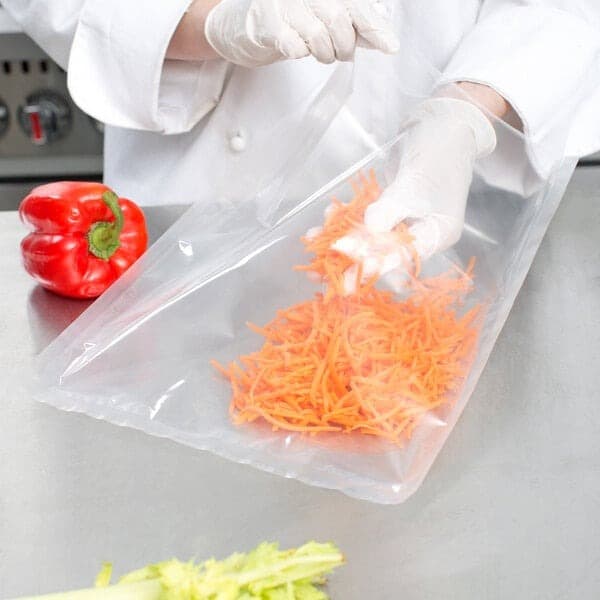
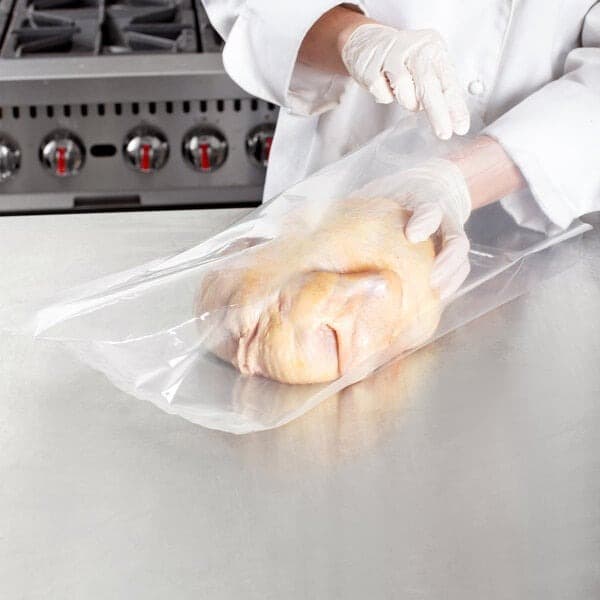
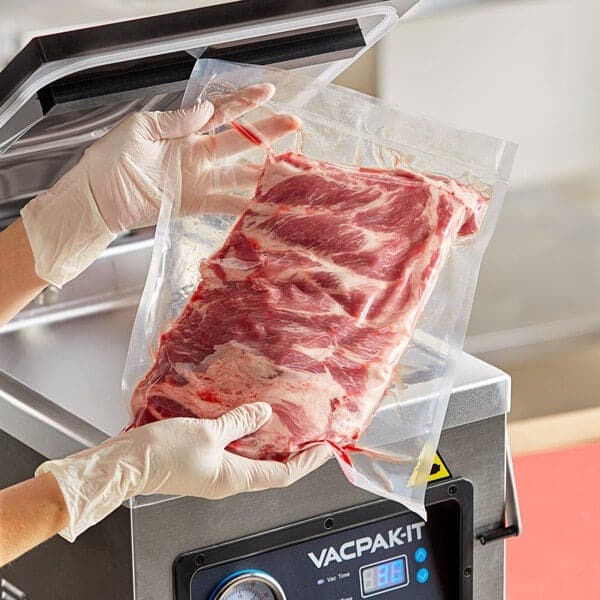
Vacuum-seal bags designed for heat resistance are non-negotiable. Standard food storage bags fail at sous vide temperatures. Medium-sized vacuum pouches work for most proteins, while larger pouches handle whole roasts or batch preparations.
A chamber vacuum sealer removes air more effectively than edge sealers, preventing bag float. Floating bags don’t cook evenly because portions rise above the water line. Many kitchens use metal weights or clips to anchor stubborn bags.
Temperature accuracy matters more than the bath itself. Verify calibration with a precision thermometer quarterly. A 2°C drift turns a medium-rare steak into medium.
Commercial Applications
Hotels and banquet operations use sous vide baths to cook hundreds of steaks to exact doneness ahead of service. Prep cooks vacuum-seal proteins in the morning, cook them sous vide, then chill and hold. During service, a quick sear on each steak brings it to temp with perfect edge-to-edge pink.
Fine dining restaurants use baths for precision cooking of delicate proteins—halibut at 49°C holds tender texture impossible to achieve by conventional methods. The bath becomes a holding station, keeping food at service temperature without quality loss.
Casual concepts use sous vide to standardize quality across locations. Corporate kitchens cook, chill, and ship vacuum-sealed portions. Unit-level kitchens simply reheat in the bath and finish. Every location serves identical product.
Professional Brands
PolyScience builds commercial-grade immersion circulators and standalone baths favored in high-end restaurants. Anova and Breville Joule dominate the prosumer market with app-connected circulators under $300. SmartVide and Sous Vide Supreme serve mid-range commercial operations. Choose based on volume needs and whether you want circulation (circulator) or energy efficiency (standalone bath).
Common Uses
Sous vide baths are used in professional kitchens for advance meal preparation, allowing prep cooks to cook proteins and vegetables to precise doneness hours before service. Hotels and banquet operations use them to cook hundreds of portions simultaneously, while fine dining restaurants rely on them for delicate proteins requiring exact temperature control. The bath also functions as a holding station during service, keeping pre-cooked components at perfect serving temperature without quality degradation.