Tilting Braiser
A tilting braiser is a large, flat-bottomed commercial cooking pan with 10-inch-deep sides, built-in heat source, and a tilting mechanism that allows safe pouring and food transfer without lifting heavy loads.
A tilting braiser is a large, flat-bottomed commercial cooking vessel with 10-inch-deep sides, a built-in heat source (gas or electric), and a tilting mechanism that lets operators pour out liquids or transfer food without lifting heavy pans. The pan heats from the bottom and all sides for even cooking, with capacities ranging from 12-16 gallons for countertop units to 30-40 gallons for floor models—the latter being most popular in high-volume operations.
Why Tilting Braisers Are Called Kitchen Workhorses
This equipment performs multiple cooking methods in one vessel: braising, sautéing, boiling, simmering, grilling, pan-frying, steaming, shallow frying, and holding. That versatility earns it the nickname “three pieces of equipment in one.” Schools, hospitals, hotels, correctional facilities, and banquet operations rely on tilting braisers for batch cooking 10-40 gallons at once, replacing multiple sauté pans, stock pots, and griddles with a single unit.
The tilt mechanism—manual crank or electric-powered—is what sets this equipment apart from a standard tilt skillet or flat-top. Instead of scooping food out of a deep pan or risking spills while lifting 40 pounds of liquid, operators simply tilt the pan forward to pour contents into hotel pans or catering pans. Most powered models include manual override for backup.
Gas vs. Electric: Which Heats Better
Gas models heat faster and cost less to operate if your kitchen already has gas infrastructure. Electric units provide more precise temperature control—critical for delicate sauces or custards—and install anywhere with 208V or 240V power, no gas lines required. Both options heat quickly and hold temperature well, cutting energy costs compared to running multiple burners or ovens.
Look for precise temperature controls, lids that reduce heat loss during long braises, and coved corners that make cleaning faster. Structural supports are typically low-carbon steel with stainless steel cooking surfaces that resist corrosion and handle the acidic tomato sauces and wine-based braises this equipment is famous for.
Choosing the Right Capacity
A 30-40 gallon floor model fits most institutional kitchens doing 200+ meals per service. Countertop 12-16 gallon units work in tight spaces or operations with limited demand. If your ventilation hood space is restricted, a 15-gallon floor unit delivers high capacity without overwhelming your exhaust system.
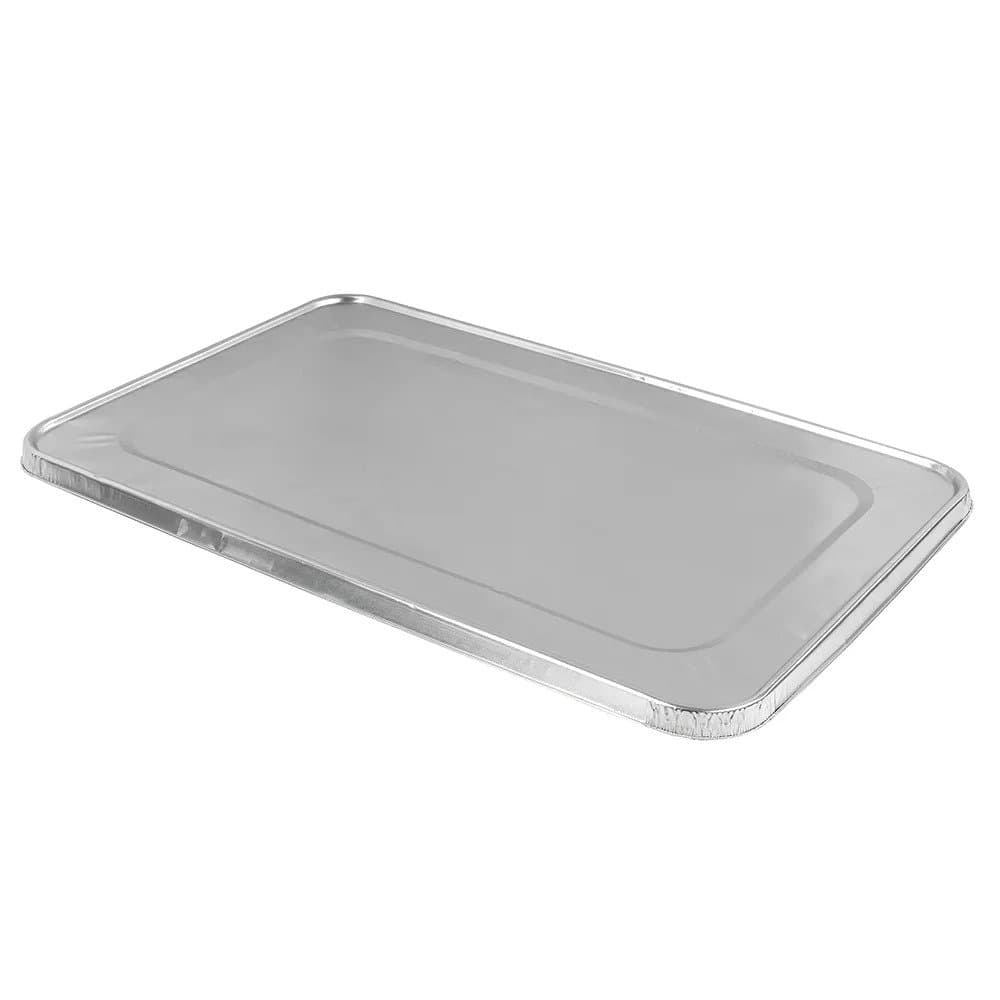
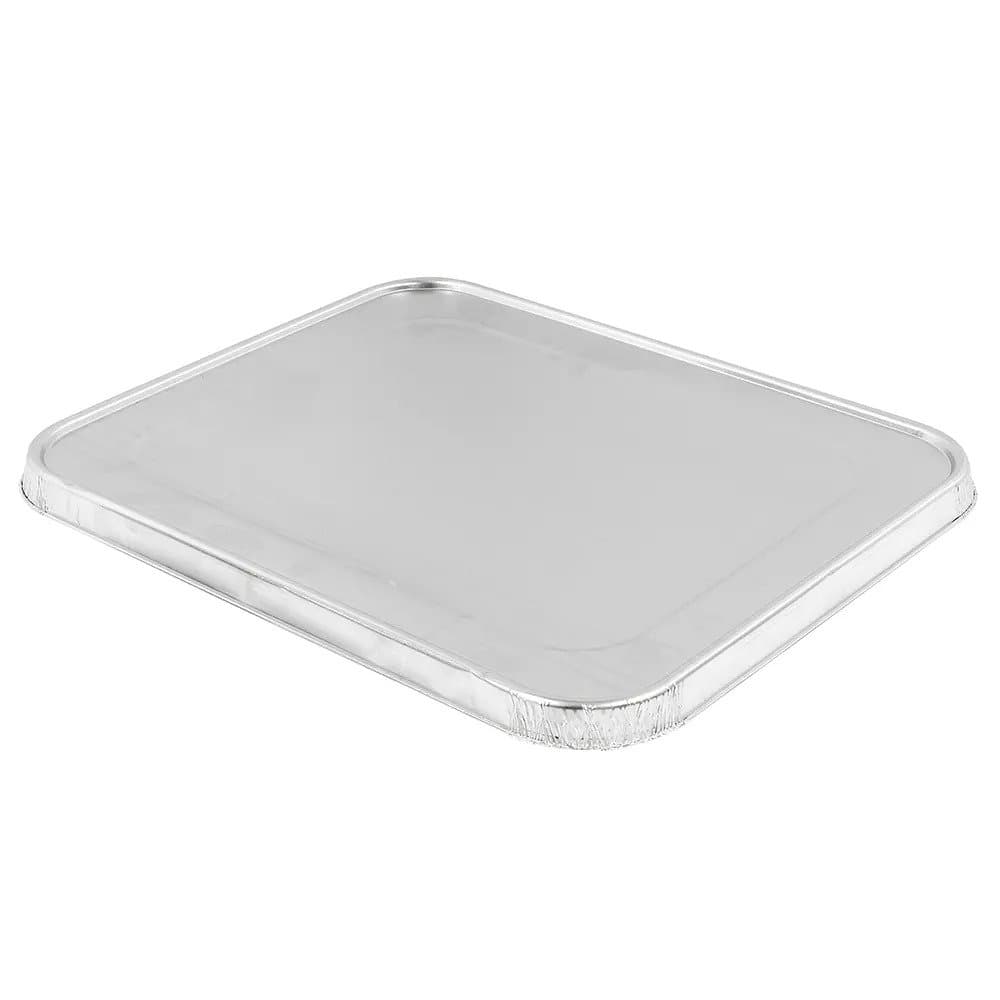
Groen developed the first tilting braising pan and remains an industry favorite. Vulcan has manufactured braising equipment for over 150 years, offering both gas and electric models across capacity ranges. When food leaves the braiser, it typically goes to catering supplies for transport or a steam table for holding. Full-size steam pan lids and half-size lids keep that food hot during service.
What Makes It Energy Efficient
Tilting braisers consolidate multiple pieces of equipment into one footprint, reducing overall kitchen energy consumption. They heat quickly, hold temperature without constant gas or electric draw, and eliminate the need to preheat multiple pans or ovens for different cooking tasks. Institutional kitchens see measurable savings by replacing separate steamers, combi ovens, and ranges with a single braiser for batch production.
Common Uses
Tilting braisers dominate institutional kitchens—schools, hospitals, hotels, correctional facilities—where operators need to cook 30-40 gallons of food at once. They're the go-to for braising short ribs, simmering chili, sautéing vegetables for 200+ portions, and shallow-frying breaded proteins. Banquet operations use them to prepare sauces, soups, and entrées that transfer directly into hotel pans for buffet service. The tilt function means a single cook can safely pour 40 pounds of beef stew into catering pans without a second person to help lift.