Tilting Kettle
A tilting kettle is a large-capacity, industrial-grade commercial cooking vessel — typically steam jacketed — designed for high-volume preparation of soups, stews, sauces, and liquid-based foods, with a manual or motorized tilting mechanism that allows safe, controlled pouring without lifting the vessel.
A tilting kettle is a large-capacity, industrial-grade commercial cooking vessel engineered for high-volume preparation of soups, stews, sauces, chili, broths, pasta, and rice. Its defining feature — a tilting mechanism — allows operators to pour hot contents safely into steam table pans or storage vessels without lifting the vessel. In professional kitchens, the terms tilting kettle, steam jacketed kettle, and tilt kettle are used interchangeably, though they describe slightly different things.
How a Tilting Kettle Works
Most tilting kettles use a steam jacket — two layers of stainless steel with a sealed cavity between them. Steam pumped into that cavity heats food indirectly and evenly, eliminating the hot spots common with direct-flame cooking. This makes steam jacketed kettles particularly effective for delicate sauces, dairy-based soups, and anything that can scorch under direct heat.
The tilting mechanism itself varies by model size. Countertop units (6–20 gallons) use a manual hand-crank or lever. Floor-standing models in the 40–80 gallon range typically offer electric or motorized tilting with a manual override. Units above 80 gallons — common in hospitals, correctional facilities, and central production kitchens — require hydraulic tilt systems to safely manage the weight of the vessel and its contents.
Steam Configurations: Self-Contained vs. Direct-Steam
Self-contained kettles generate their own steam internally. The vessel is factory-filled with distilled water and heated by a gas burner or electric element — no boiler infrastructure required. These are the most practical choice for most commercial kitchens and ghost kitchen operations.
Direct-steam models connect to an external boiler or steam generator. They’re more economical where that infrastructure already exists — hotel kitchens and large institutional facilities often fall into this category — but they add maintenance complexity and depend on a reliable steam supply.
A third configuration — electric induction tilt kettles — is gaining traction. These units use electromagnetic heating to achieve approximately 80% cooking efficiency, compared to roughly 40% for gas and 60–70% for traditional steam systems. Many induction models include built-in agitators and programmable recipe controls, making them a strong choice for operations seeking energy efficiency without boiler infrastructure.
Capacity and Common Sizes
Tilting kettles range from 6-gallon countertop models to floor units exceeding 150 gallons. The 40-gallon size is the most prevalent in institutional foodservice. School cafeterias, hospital kitchens, batch cooking commissaries, and catering operations lean toward the 40–100 gallon range. Countertop models suit smaller restaurant kitchens and operators who need high-volume liquid cooking without dedicating floor space to a full floor unit.
Key Accessories
A tilting kettle works best when paired with the right supporting equipment. Common accessories and downstream items include:
- Pour strainers and tangent draw-off valves — for controlled dispensing of stocks and broths
- Basket and perforated inserts — convert the kettle into a steamer for vegetables, proteins, or shellfish
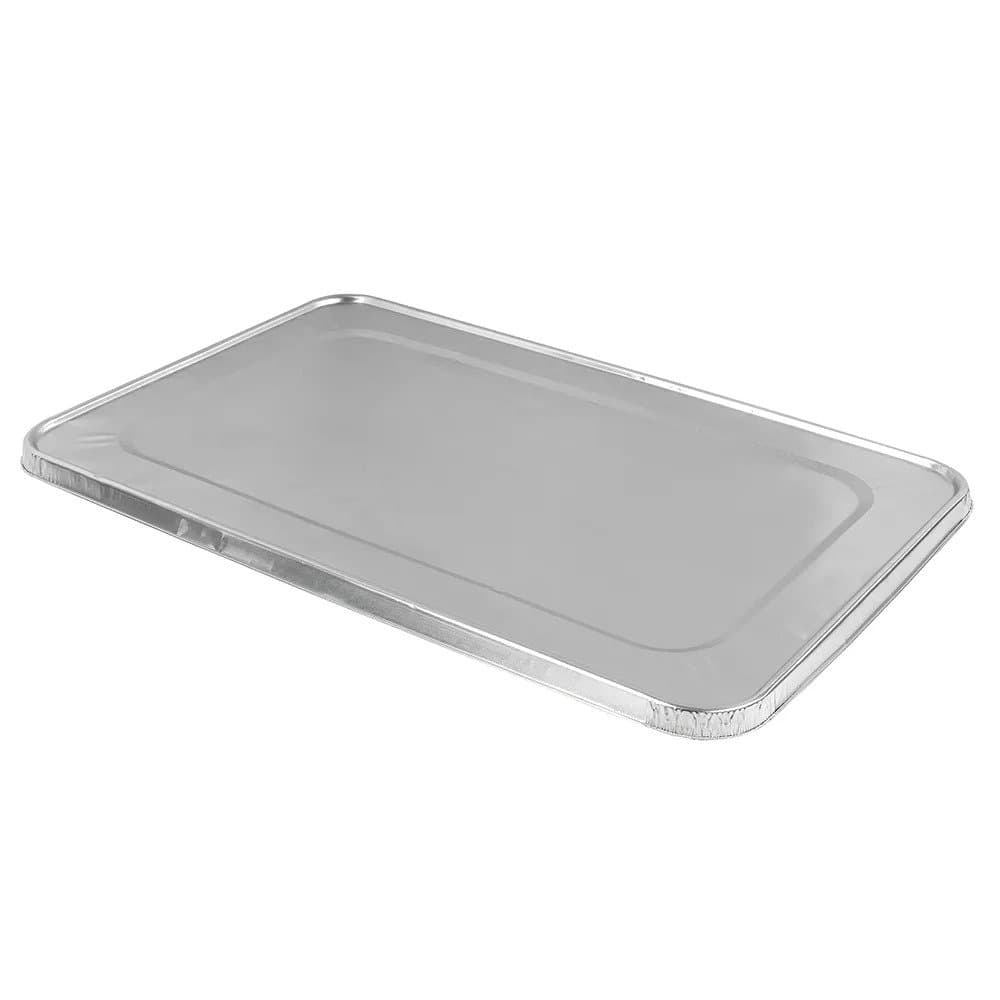
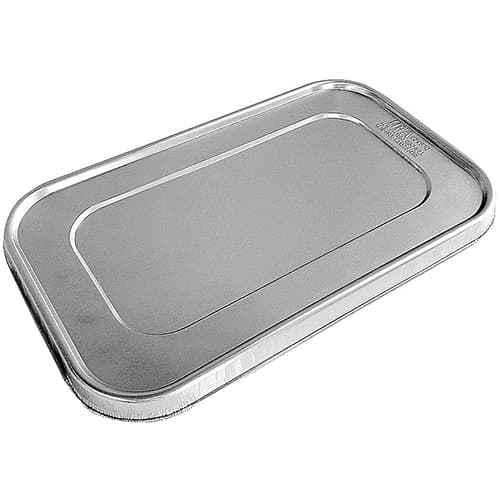
- Marine locks and lift-off covers — for transport stability and heat retention during transit
- Sliding drain pans and casters — to capture residual liquid and move floor units during cleaning
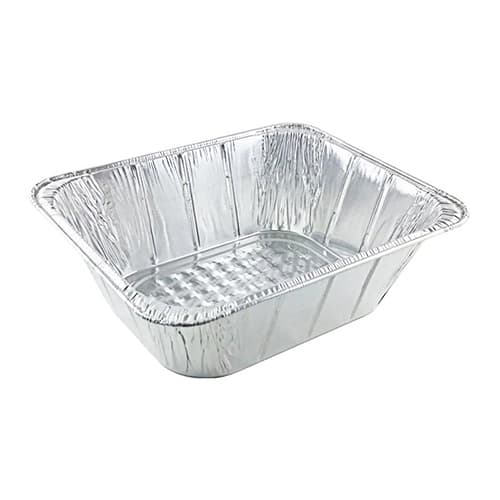
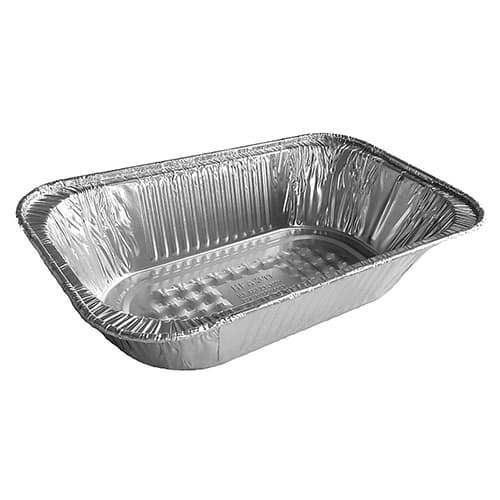
- Hotel pans — the standard receiving vessel when decanting kettle contents for service; full-size deep steam table pans and full-size shallow pans are the most common sizes used at the pour point
Installation and Ventilation Requirements
Gas-fired tilting kettles require placement under a commercial exhaust hood. The standard installation guideline calls for a minimum 12-inch clearance between the front of the equipment and the hood edge. Electric induction models produce no combustion byproducts, which can reduce ventilation requirements depending on local codes — though always verify with your local health department before finalizing placement.
Electric induction units typically require 208V or 480V three-phase electrical service. Direct-steam models require a live boiler connection. Confirm all utility specifications against the manufacturer’s spec sheet before purchase.
Cleaning and Maintenance
The tilting mechanism significantly simplifies cleaning. Tilt the vessel fully to drain residue, scrub with a non-abrasive food-safe detergent, and rinse thoroughly. Models with built-in agitators can circulate cleaning solution for a more thorough wash cycle. Stainless steel interiors with rounded corners minimize food buildup and make sanitation faster than comparable fixed vessels.
For self-contained models, periodically check and replenish the distilled water reservoir in the steam jacket per manufacturer specifications. Scale buildup in the jacket reduces heating efficiency over time.
HACCP and Temperature Compliance
Advanced tilting kettle models include solid-state temperature controls, programmable cooking profiles, and virtual chart recorders that log real-time cooking temperatures for HACCP compliance documentation. For operations producing large batches of temperature-sensitive food, this logging capability supports critical control point monitoring without manual recordkeeping. After batch production, operators should follow established cooling log and temperature log protocols before transferring product to the steam table or cold storage.
Tilting Kettle vs. Tilt Skillet
A tilt skillet (also called a tilting braiser or bratt pan) shares the tilting mechanism but serves a different primary function. Tilt skillets have flat bottoms and higher sides designed for sautéing, searing, braising, and griddle-style cooking. Tilting kettles have rounded, deeper vessels optimized for liquid-based cooking. Both are high-volume batch cooking tools, but they’re not interchangeable — choose based on your primary production needs.
Common Uses
Usage in Context: Tilting kettles are the backbone of high-volume liquid-based food production. In a school cafeteria kitchen, a cook uses a 40-gallon tilting kettle to produce several hundred servings of soup or chili, then tilts the vessel to pour directly into full-size steam table pans staged on a cart below. In a hospital or correctional facility central kitchen, a 100-gallon unit may run multiple batches per shift. Catering commissaries use tilting kettles to produce large quantities of sauces, gravies, or rice that get portioned into transport pans for satellite service. The phrase "fire up the kettle" or simply "the kettle" in a high-volume kitchen almost always refers to this piece of equipment. Chefs and kitchen managers specify kettle capacity in gallons when ordering or scheduling production — "We need two full runs of the 40-gallon kettle for tonight's banquet" is a typical operational reference.
Related Products