Blast Chiller
A blast chiller is a commercial refrigeration unit designed to rapidly cool food from cooking temperatures (135-165°F) down to safe refrigerated temperatures (below 41°F) in 90 minutes or less using high-velocity cold air circulation.
A blast chiller is a commercial refrigeration unit that rapidly cools cooked food from 135-165°F down to safe refrigerated temperatures (below 41°F) in 90 minutes or less. The equipment uses powerful fans to blow extremely cold air directly onto food, reducing core temperatures much faster than traditional refrigeration methods. This rapid cooling minimizes the time food spends in the danger zone (41-135°F) where bacteria multiply fastest, making blast chillers essential for food safety and HACCP compliance.
How Blast Chillers Work
Blast chillers use high-velocity cold air circulation to pull heat out of food quickly. Typical performance specs include chilling food from 160°F to 37°F in approximately 90 minutes, or freezing from cooking temperature to 0°F in about 240 minutes (4 hours). The rapid cooling creates tiny microcrystals instead of the large, jagged ice crystals that form during slow cooling, which preserves the food’s cellular structure and maintains texture, moisture, and flavor better than conventional refrigeration.
Most units are designed to accommodate standard hotel pans, making it easy to transfer hot food directly from the oven or stove into the blast chiller. Once the cooling cycle completes, food is transferred to reach-in refrigerators or walk-ins for storage.
Food Safety and HACCP Compliance
Blast chillers are critical tools for meeting FDA Food Code requirements, which mandate cooling hot foods from 135°F to 70°F within 2 hours, then from 70°F to 41°F within an additional 4 hours. Standard refrigerators struggle to meet these timeframes, especially with large batches or dense foods. Blast chillers achieve compliant cooling speeds consistently, creating documented proof of proper food handling for health inspections.
The rapid cooling also prevents up to 8% yield loss in proteins and liquids compared to traditional methods, where evaporation and moisture loss occur during the extended cooling period. For operations following HACCP protocols, blast chillers provide the temperature control and documentation necessary for critical control points.
Common Configurations
Commercial blast chillers come in several sizes to match operation volume. Countertop and under-counter units ($1,000-$10,000) fit into tight spaces and handle small to medium batches. Reach-in models ($10,000-$25,000) are the most common choice for full-service restaurants, offering the capacity to chill multiple hotel pans per cycle. Roll-in and roll-through units ($40,000+) serve high-volume operations like commissary kitchens, hospitals, and large catering companies.
Many modern units combine both chilling (to 41°F) and freezing (to 0°F or lower) functions in a single cabinet. This versatility explains why the terms blast chiller, blast freezer, flash freezer, and shock freezer are often used interchangeably in the industry.
Batch Cooking and Cook-Chill Programs
Blast chillers enable batch cooking programs that transform kitchen efficiency. Prep cooks can prepare large quantities of stocks, sauces, proteins, and sides during slow periods, blast chill them safely, and store them for 5-7 days while maintaining quality. This approach improves labor scheduling, reduces last-minute rush work, and enables better mise en place workflows.
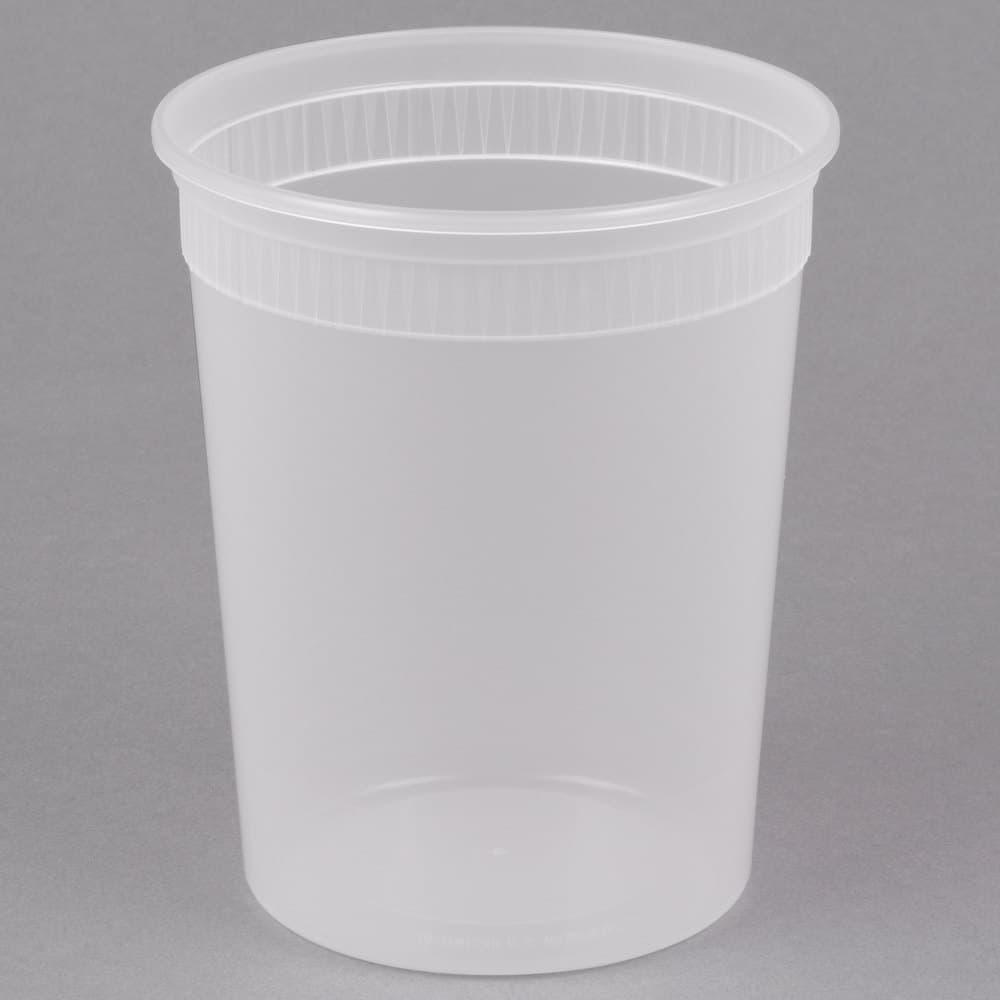
Operations using combi ovens and blast chillers together create highly efficient cook-chill systems. Food can be cooked, rapidly chilled, stored in deli containers or Cambro containers, and reheated to order. This method reduces food cost through decreased waste and enables better par level management with FIFO rotation systems.
Beyond Cooling Cooked Food
While primarily used for chilling hot prepared foods, blast chillers serve multiple functions. Pastry chefs use them to set frostings and toppings quickly. Ice cream operations flash-freeze sorbet and gelato for optimal texture. Sushi restaurants preserve fresh seafood immediately. Bakeries chill proofed dough for controlled fermentation. The equipment works for any application requiring rapid, controlled temperature reduction.
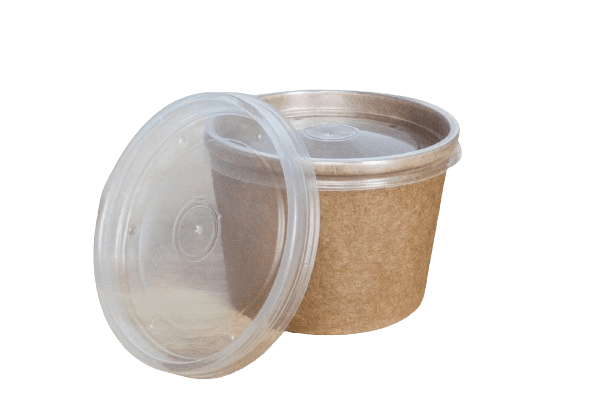
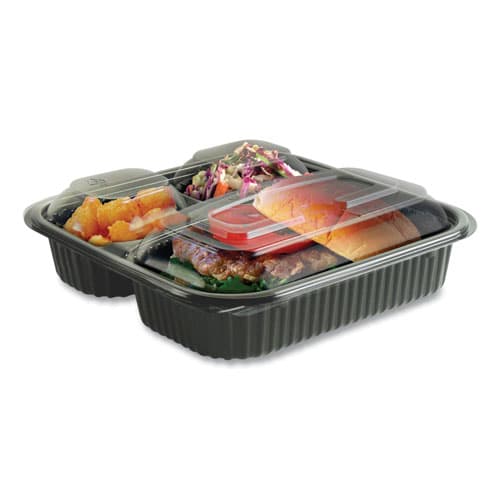
Catering operations rely heavily on blast chillers to prepare large quantities in advance, storing finished items in catering supplies and takeout containers for transport and service. When handling hot food for blast chilling or removing cold items afterward, gloves provide essential protection.
Sustainability and Waste Reduction
Blast chillers significantly reduce food waste by extending safe shelf life from 2 days (with conventional cooling) to 5-7 days. This extension allows better inventory management, reduces spoilage from improper cooling, and enables bulk purchasing and preparation that cuts down on packaging waste and delivery frequency. The reduced waste typically generates ROI within 18-36 months through labor savings and decreased product loss alone.
Key Properties
Common Uses
Blast chillers are standard equipment in full-service restaurants doing batch cooking, catering operations preparing large advance quantities, healthcare facilities managing patient meal programs, school cafeterias following HACCP protocols, bakeries controlling dough fermentation, and commissary kitchens supplying multiple locations. Chefs and kitchen managers use them daily to cool stocks, sauces, proteins, vegetables, soups, pasta, pastry components, and any prepared foods that must pass through the temperature danger zone safely. Food safety managers rely on blast chillers to document proper cooling procedures during health inspections and HACCP audits.
Sustainability
- Food Waste Reduction: Extends safe shelf life of prepared foods from 2 days to 5-7 days, dramatically reducing spoilage
- Yield Protection: Prevents up to 8% product loss in proteins and liquids compared to traditional cooling methods
- Bulk Preparation: Enables purchasing and cooking in larger quantities, reducing packaging waste and delivery frequency
- Energy Efficiency: Newer models comply with EU Minimum Energy Performance Standards (MEPs) and include energy-saving features
- Labor Efficiency: Some manufacturers offer ergonomic certifications showing reduced staff sick leave and increased productivity