Insulated Carrier
An insulated carrier is a portable container engineered to transport prepared hot or cold foods and beverages while preserving serving temperatures during transit to off-site or remote service locations such as banquet halls, event spaces, or hotel guest rooms.
An insulated carrier is a portable, thermally protected container used to transport hot or cold prepared foods and beverages from a central kitchen to a remote service location while keeping food at safe serving temperatures. In hotel operations, insulated carriers are essential equipment for Banquet, Catering, and In-Room Dining (IRD) departments that must move food across large properties — from the main kitchen to ballrooms, event floors, and guest rooms — without compromising food quality or safety.
How Insulated Carriers Work
Insulated carriers reduce heat transfer through conduction, convection, and radiation using a low-density insulation barrier built into the unit’s walls. Construction materials typically include high-grade plastics, stainless steel, and NSF-listed expanded polypropylene (EPP) foam. Passive (non-electric) carriers rely entirely on these materials to retain temperature, while electric (active/heated) carriers include heating elements that require a power source to actively maintain food temperature.
Passive carriers can maintain safe serving temperatures for 5 hours or more; high-performance models can hold temperature for up to 7 hours. Electric models maintain temperature indefinitely while plugged in — making them a portable alternative to a warming cabinet for off-site or mobile service. Some electric units feature dual hot and cold compartments within a single carrier, allowing caterers to transport mixed food types to a single event.
Loading Configurations
Top-loading carriers stack covered hotel pans on top of each other and are best for quick access and compact storage. Front-loading (end-loading) carriers use internal shelves or pan rails that allow pans to slide in and out from the side — ideal for sheet pans, catering trays, or service setups where speed of access matters. Leading commercial brands include Cambro (Cam GoBox®, Ultra Pan Carrier®, Camtherm), Metro (Mightylite), and CaterGator.
Soft-sided insulated bags are a lighter-weight option suited for shorter trips or smaller individual meal deliveries — common for IRD orders — while hard carriers provide longer temperature retention for bulk catering. Accessories such as dollies with swivel casters, carrying straps, latching lids, and color-coded systems for hot/cold differentiation support high-volume catering workflows.
Food Safety and Compliance
Insulated carriers are a critical control point in any HACCP food safety plan. During transport, time-temperature control for safety (TCS) foods are most vulnerable to temperature danger zone exposure (40–140°F). Carriers keep hot TCS foods at 135°F (57°C) or above and cold TCS foods at 41°F (5°C) or below, per FDA Food Code and ServSafe guidelines.
Staff should use a probe thermometer to verify food temperatures when loading and unloading carriers. Those readings should be recorded in a temperature log as part of the property’s food safety plan. All carrier materials and construction must meet NSF International food-safety standards for commercial foodservice equipment.
Hotel Catering Workflow
In a hotel catering operation, food is prepared in the central kitchen, packed into hotel pans, loaded into insulated carriers, and transported to the event space. At the destination, food is transferred to chafing dishes or steam tables for buffet or banquet service. This handoff is where temperature discipline matters most — carriers should be loaded as close to service time as possible and pre-conditioned (heated for hot foods, pre-chilled for cold) before loading.
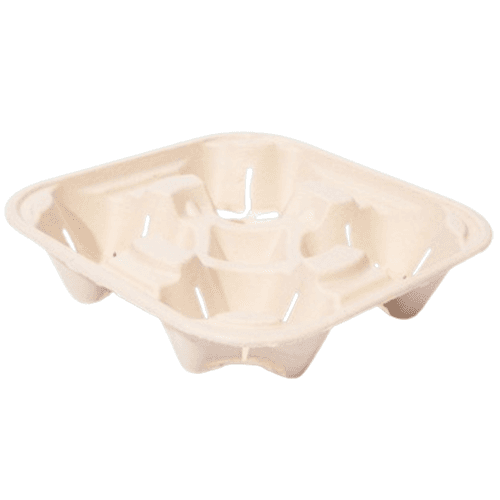
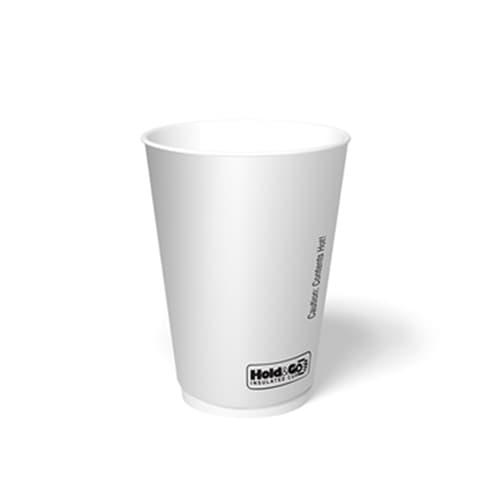
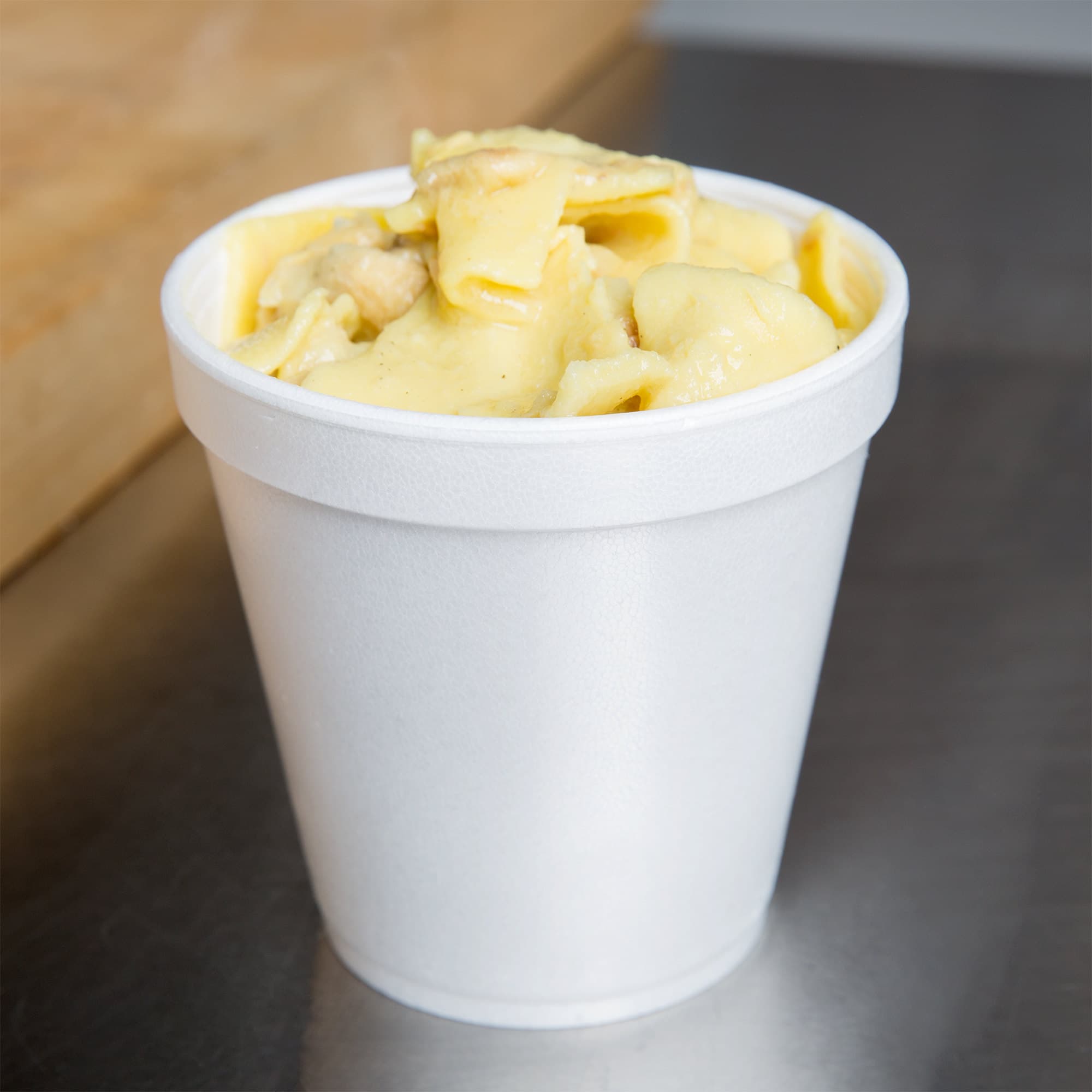
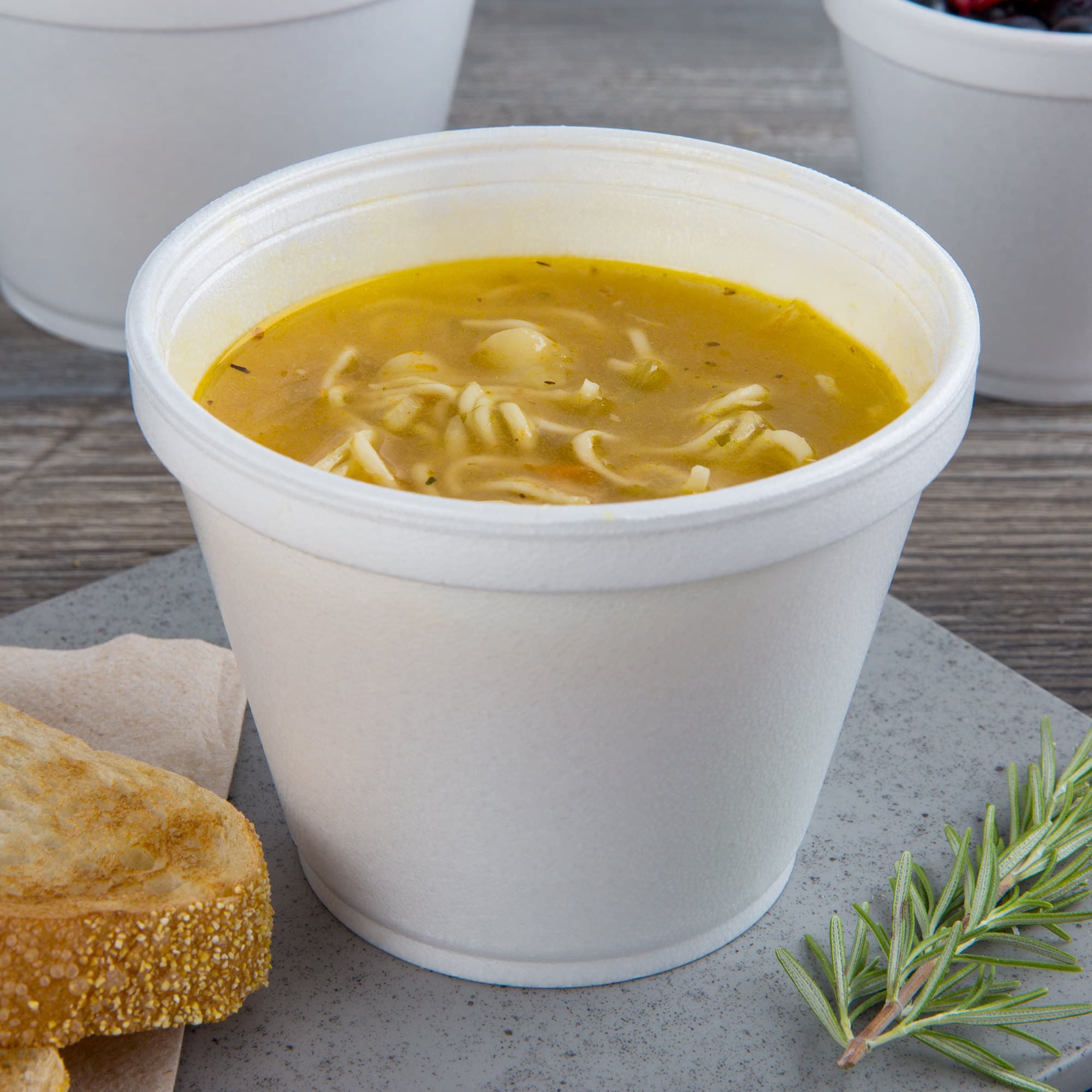
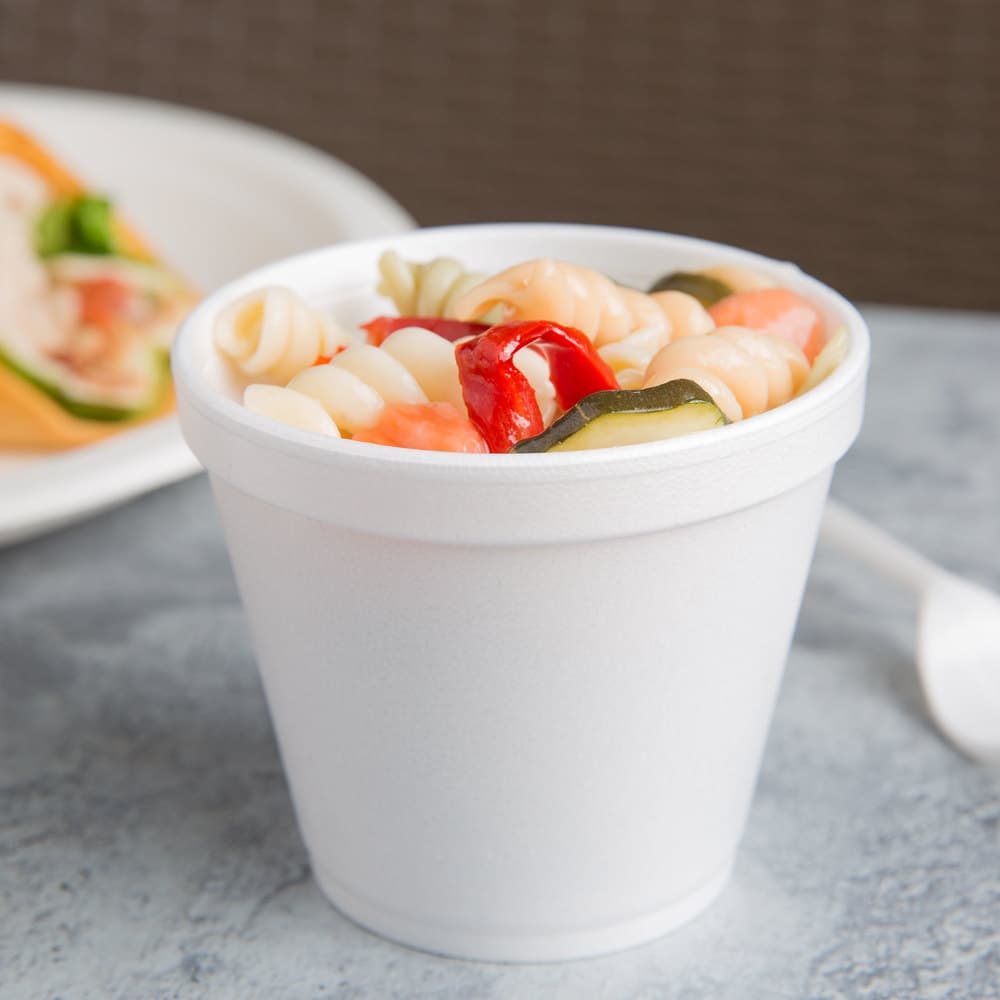
For beverage transport, insulated carriers are commonly paired with disposable companions: insulated hot cups keep beverages at temperature from carrier to guest, and drink carrier trays organize individual cups for efficient distribution. For individual meal deliveries — such as IRD orders — foam food containers or insulated foil wraps placed inside the carrier add an additional thermal layer around each portion.
For more on packaging decisions that complement insulated carrier workflows, see the SupplyClub guide on packaging options for food delivery.
Key Properties
Common Uses
Department & Usage: Insulated carriers are primarily used by the Banquet/Catering and In-Room Dining (IRD) departments in hotel operations. Banquet teams use hard carriers to transport bulk food pans from the central kitchen to ballrooms and event floors, loading food into chafing dishes or steam tables at the destination. IRD teams use smaller or soft-sided insulated carriers to deliver individual guest room orders while preserving food quality during transit through corridors and elevator runs. Institutional food service teams and concession operations within hotels also rely on carriers to support satellite service points that lack direct kitchen access.
Sustainability
Hard insulated carriers are inherently a reusable solution — high-volume catering operations that invest in durable units eliminate significant single-use packaging waste over time compared to disposable insulated containers.
Some carriers, such as Metro Mightylite models, are constructed from 100% recyclable polymer foam, reducing end-of-life environmental impact. For smaller-scale or off-site catering, bagasse-based compostable containers and insulated foil wraps can complement hard carriers by wrapping individual portions inside the unit, adding thermal protection without adding non-recyclable waste. Compostable bagasse drink carrier trays offer a greener footprint for beverage transport at catered events alongside insulated carriers.
Related Products