Laundry Chute
A laundry chute is a vertical shaft built into a hotel's structure that allows housekeeping staff to drop soiled linens from upper-floor pantries to a centralized collection room near the laundry department for processing.
A laundry chute (also called a linen chute) is a vertical shaft built into a hotel’s structure that transports soiled linens and textiles from upper-floor housekeeping pantries down to a central collection point near the laundry department. The two terms — laundry chute and linen chute — are used interchangeably across the hospitality industry, with “linen chute” slightly more common in formal housekeeping contexts and “laundry chute” more prevalent in construction and facilities management.
How Laundry Chutes Work in Hotel Operations
Room attendants strip soiled linens from guest rooms and deposit them into the chute access door located in their floor’s housekeeping pantry or station. The soiled items drop through a continuous enclosed shaft to a termination room on or near the laundry level, where they are collected, sorted, and loaded for washing.
Chute access doors must be located inside linen closets or pantries — not in public corridors. This is both a building code requirement and a guest experience standard, keeping the hotel’s back-of-house operations invisible to guests. Properties with on-site laundry fed by a chute system can typically return clean linen to floors within 24 hours; outsourced laundry operations may require up to 48 hours.
In properties without chutes, room attendants deposit soiled linens into large wheeled carts, which are then transported by elevator and collected periodically. Chute systems eliminate these repetitive cart runs, reducing physical strain on housekeeping staff and cutting the labor time associated with linen transport — a meaningful efficiency gain in high-rise or large-footprint properties.
Fire Safety and Building Code Requirements
Laundry chutes in commercial properties are regulated by the International Building Code (IBC Section 713.13) and NFPA 82 (Standard on Incinerators and Waste and Linen Handling Systems). Both require that chute shafts be independently enclosed — not shared with HVAC, refuse, or other building systems — and that the termination room be separated from the rest of the building by a minimum one-hour fire barrier.
NFPA 101 (Life Safety Code) requires that every chute intake door carry a fire-protection rating and incorporate a self-closing, latching mechanism. This prevents the chimney effect — where an open chute acts as a vertical fire and smoke conduit between floors. Commercial hotel chute doors are commonly rated to 90 minutes (UL 10B) or 120 minutes (EN1634-1). Propping a chute door open is a serious safety violation and must be addressed in housekeeping training.
Automatic sprinkler systems within the chute shaft are required in many jurisdictions. Hotels should verify local authority having jurisdiction (AHJ) requirements during installation or renovation.
Chute Construction and Modern Features
Commercial hotel laundry chutes are typically constructed from galvanized or stainless steel. Sound-dampening exterior coatings reduce noise transmission into adjacent guest or staff areas — an important specification for floors near occupied rooms. Modern systems may feature self-closing hydraulic intake doors, positive-latching handles rated for fire protection, and electronic or password-controlled access locks for secured VIP or executive floors.
Maintenance and Housekeeping Protocols
Regular maintenance is required to keep chute systems hygienic, unobstructed, and fire-safe. Housekeeping and engineering teams share responsibility: housekeeping maintains daily-use protocols, and facilities/engineering conducts periodic inspections and mechanical testing.
Standard maintenance tasks include interior lint removal (lint accumulation is a primary fire and blockage hazard), inspection and testing of self-closing door mechanisms, verification of fire-rating integrity on intake doors, and clearing debris at the termination point. These tasks should be documented in the hotel’s Laundry Standard Operating Procedures manual.
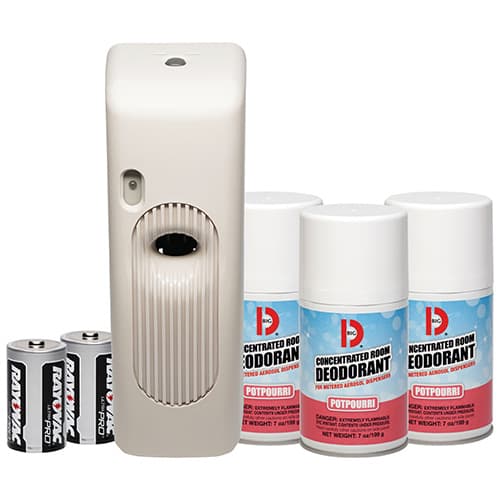
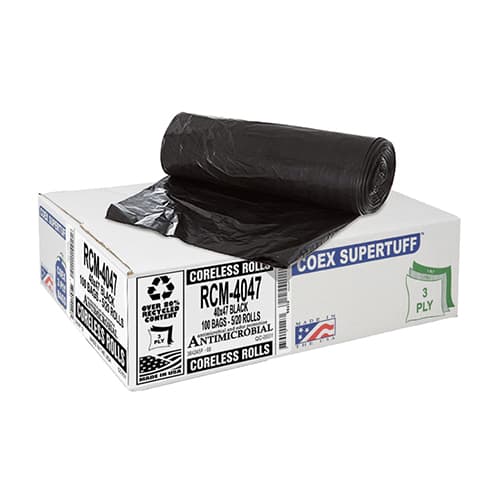
The termination room itself requires routine attention. Soiled linen accumulates quickly, and odors can develop without proper housekeeping protocols. Programmable aerosol dispensers — such as the Big D Fully Programmable Aerosol Dispenser Starter Kit — help housekeeping maintain odor control in these enclosed back-of-house spaces. Staff should also use large-capacity antimicrobial can liners, such as COEX Supertuff 3-Ply Antimicrobial 45-Gallon Liners, in the collection area to contain soiled items hygienically and protect staff from cross-contamination.
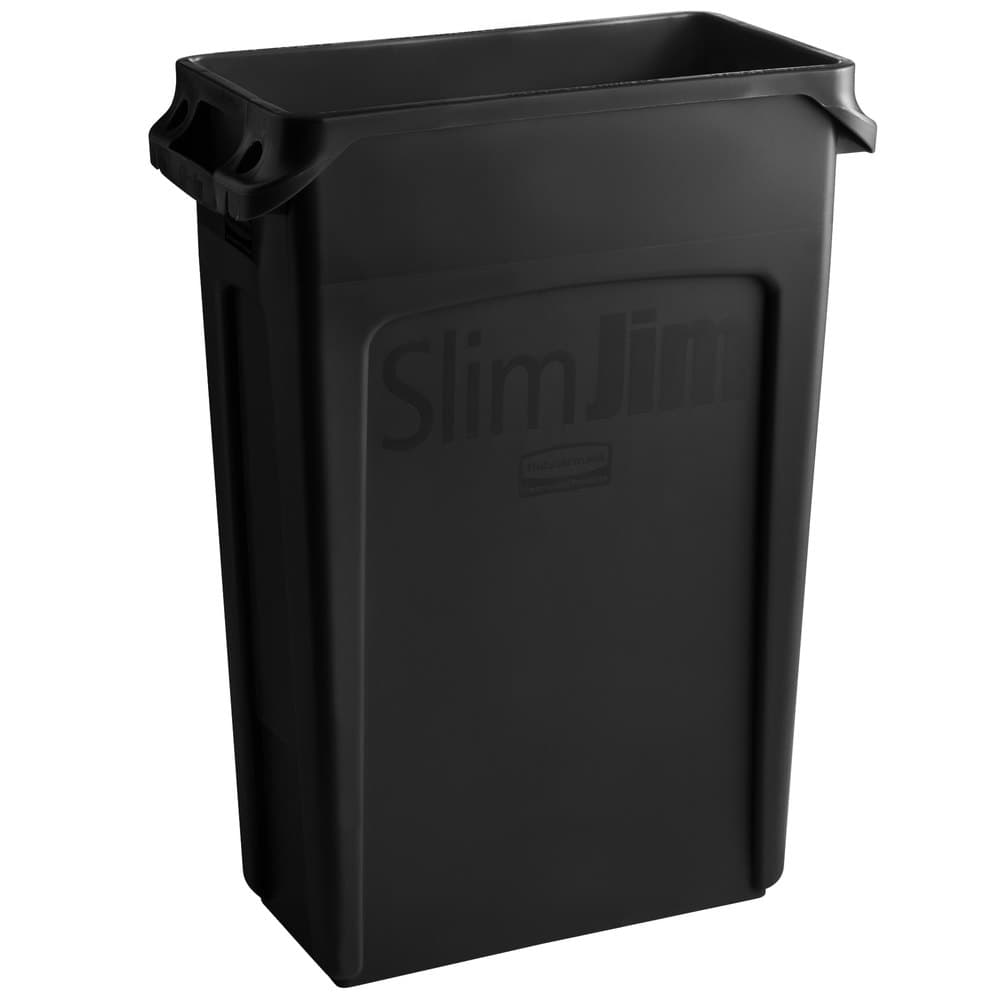
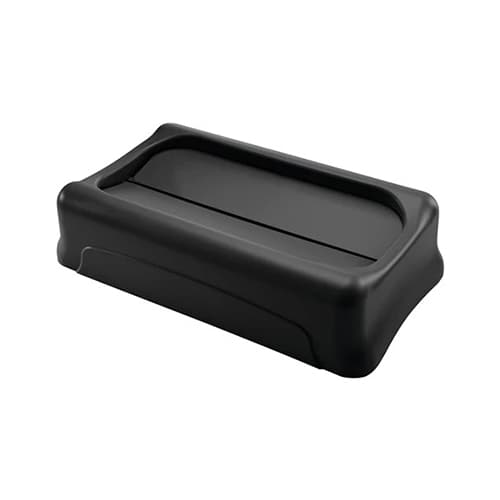
Floor pantries adjacent to chute access doors should also be kept clean and organized. A Rubbermaid Slim Jim 23-Gallon Trash Can paired with a Drop Shot Lid keeps non-linen waste contained at the pantry level, separate from soiled textiles heading into the chute — a basic but important aspect of working clean.
Operational Connection to Linen Par Levels
Chute efficiency directly affects how hotels manage linen par levels. If soiled linen backs up in the chute or termination room, clean linen cannot be returned to floors on schedule — breaking the par cycle and forcing housekeeping to delay room turnovers. Keeping chute flow consistent is a prerequisite for maintaining the linen inventory turns that par-level planning depends on.
Depositing soiled linens into the chute is typically part of a room attendant’s side work during room turnover, integrated into the standard sequence of strip, deposit, and restock before the next guest arrival.
Key Properties
Common Uses
Department & Usage: Laundry chutes are used daily by the Housekeeping department, specifically by room attendants who deposit soiled linens, towels, and textiles from floor pantries during room turnover. The Laundry sub-department receives, sorts, and processes items from the chute's termination room. The Engineering and Facilities team owns maintenance, fire safety compliance, and mechanical upkeep of the chute structure itself. Chute systems are standard infrastructure in mid-scale to luxury full-service hotels and resorts, particularly high-rise or multi-floor properties where manual linen transport between floors would significantly increase labor hours and physical load on housekeeping staff.
Sustainability
Laundry chutes support more sustainable hotel laundry operations in several ways. Centralized chute systems consolidate linen collection, enabling housekeeping to optimize wash loads — running full machines rather than partial loads — which reduces water and energy consumption per linen piece processed. Hotels with on-property laundry operations fed by chute systems can also implement guest linen reuse programs (such as multi-night towel reuse) more effectively, since the laundry workflow is easier to control and track. Reducing cart runs between floors via chute transport lowers elevator energy usage in multi-story properties. Proper chute maintenance also plays a sustainability role: preventing lint buildup and linen contamination extends textile lifespan, reducing premature replacement waste and the environmental cost of sourcing new linen inventory.
Related Products