Offset Spatula
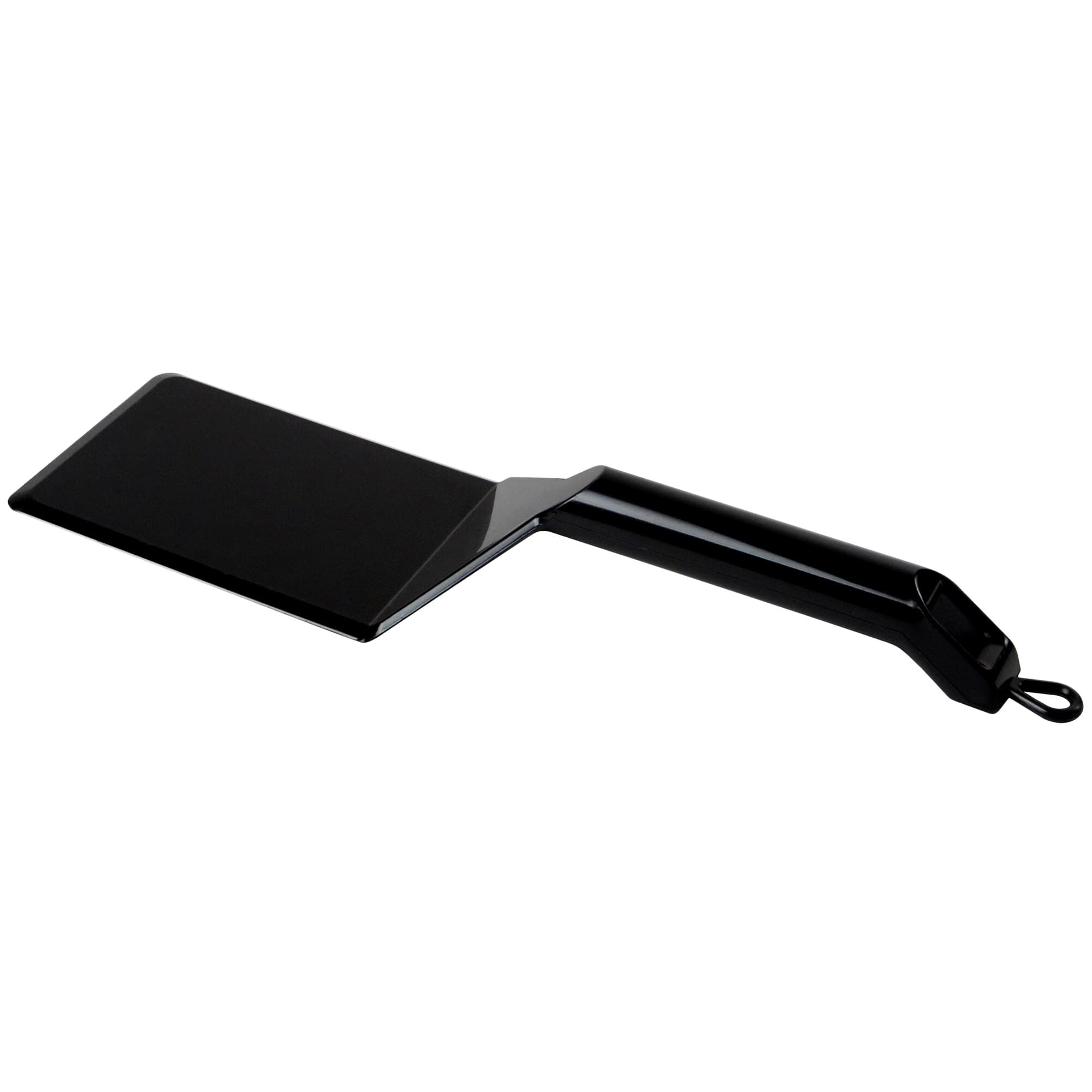
An offset spatula is a kitchen tool with a thin, flexible, stainless steel blade that bends at an angle near the handle, creating clearance between the user's hand and work surface for spreading, frosting, and lifting tasks.
An offset spatula is a kitchen tool with a thin, flexible stainless steel blade that bends at an angle near the handle, creating 1-2 inches of clearance between your hand and the work surface. This angled design prevents your knuckles from dragging through frosting, batter, or other surfaces while spreading or lifting, making it indispensable in professional bakery and pastry stations.
Sizes and Blade Specifications
Offset spatulas come in three standard sizes: mini (4-4.5 inch blade), medium (6-8 inch blade), and large (9-12 inch blade). Professional pastry chefs overwhelmingly prefer the smaller 4.5-6 inch models because they fit into standard baking pans, offer better control for detailed work, and handle 90% of daily tasks. The blade itself is typically less than 1mm thick—thin enough to slide under delicate cookies or conform to the curve of a cake without breaking the surface, yet flexible enough to spread cold buttercream smoothly.
Primary Uses in Professional Kitchens
In pastry stations, offset spatulas frost cakes and cupcakes, spread batters evenly in sheet pans, and create decorative swirls and patterns in buttercream. The tool is always part of a baker’s mise en place, kept within arm’s reach alongside piping bags and bench scrapers. Beyond baking, line cooks use them to flip pancakes, eggs, and grilled cheese sandwiches—any delicate protein that needs gentle handling.
Beyond the Pastry Station
The offset spatula has become a Swiss Army knife in modern kitchens. Cooks use it for spreading condiments on sandwiches (replacing butter knives entirely in many operations), applying pizza sauce, and executing precise plating techniques—particularly for creating those elegant swooshes of pureed vegetables or sauce reductions. The angled blade gives you leverage and control that straight spatulas can’t match, especially when working close to prep table surfaces.
What to Look for When Buying
Choose stainless steel blades for durability and precision—cheaper metals will bend permanently after heavy use. Handles come in wood, plastic, or polypropylene; commercial operations typically prefer molded polypropylene for easy sanitizing. The blade-to-handle weld point is the critical failure point, so inspect it carefully. For most operations, start with one 6-inch and one 4.5-inch offset spatula before investing in larger sizes.
Maintenance and Care
Hand wash offset spatulas immediately after use—dishwashers can loosen the blade-handle connection over time. The thin blade bends easily, so never use it as a pry tool or scraper for stuck-on food. Store flat in a drawer or hanging on a magnetic strip to prevent blade warping. Replace the tool when you notice any looseness between blade and handle, as this creates food safety risks.
Key Properties
Common Uses
Pastry chefs use offset spatulas daily for frosting cakes and cupcakes, spreading batters evenly in pans, and creating decorative patterns in buttercream. Line cooks rely on them for flipping pancakes, eggs, and delicate proteins. The tool appears in sandwich stations for spreading condiments and in plating applications for creating sauce swooshes and artistic presentations. The angled design keeps hands elevated above the work surface, reducing wrist fatigue during repetitive tasks like frosting multiple wedding cake tiers.