Pasta Cooker
A pasta cooker is a commercial kitchen appliance designed to boil water and cook pasta, noodles, rice, and vegetables using perforated baskets that lower into heated water tanks, similar in appearance and operation to deep fryers but using water instead of oil.
A pasta cooker is a commercial kitchen appliance that uses boiling water in stainless steel tanks to cook pasta, noodles, rice, and vegetables quickly and consistently during high-volume service. The equipment looks and operates similarly to a deep fryer, but uses water instead of oil, with perforated baskets that lower into the water for hands-off cooking.
How Commercial Pasta Cookers Work
Pasta cookers heat water to a rolling boil using either gas burners (40,000-160,000+ BTU) or electric heating elements (3-30 kW). You load raw pasta into perforated baskets, lower them into the boiling water, and set a timer. When the pasta is done, you lift the basket out—either manually or with an automatic basket lifter—allowing water to drain back into the tank.
The stainless steel construction (often marine-grade) withstands constant water exposure and heavy use. Most units include digital temperature controls, countdown timers, and drain valves for easy cleaning when starch builds up in the water. Advanced models feature automatic water fill systems that continuously refresh the cooking water through overflow ports, maintaining cleaner water throughout service.
Countertop vs. Floor Models
Countertop pasta cookers hold 2-3 gallons of water and suit smaller restaurants, cafes, or operations serving pasta as occasional menu items rather than specialties. These compact units often don’t require ventilation hoods (though you should verify local codes), and some include downdraft systems that eliminate most hood requirements.
Floor models range from 11-22 gallon capacity and are built for Italian restaurants, large-scale catering, or any operation running continuous pasta service. High-end floor units can produce up to 500 ten-ounce pasta servings per hour and accommodate 6-9 baskets simultaneously. Dual-compartment models let you cook different pasta types at once or dedicate one tank to cooking and another to rinsing.
Pasta Cookers vs. Rethermalizers
Standard pasta cookers are designed to cook raw pasta from scratch during service. Rethermalizers, by contrast, reheat pre-cooked pasta stored in deli containers to safe serving temperatures (above 135°F) without overcooking. This distinction matters for operations doing mise en place pasta prep versus cooking to order.
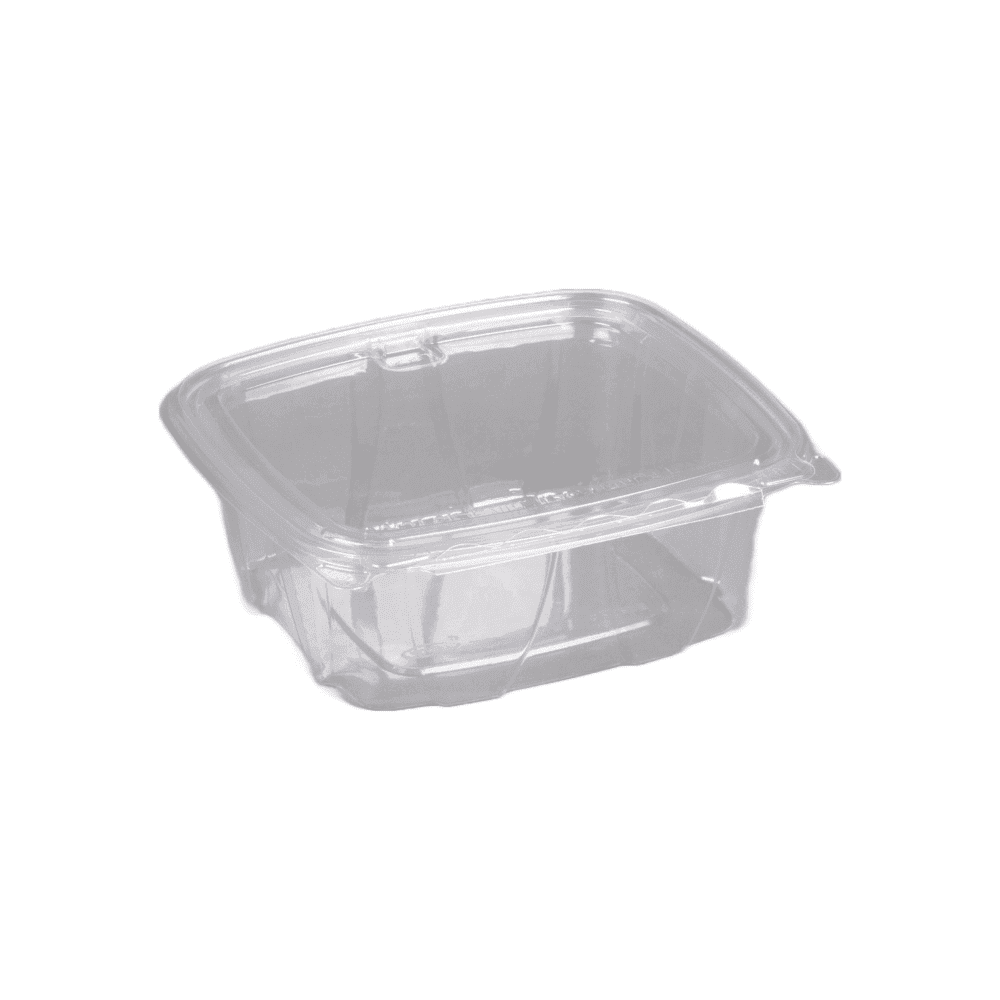
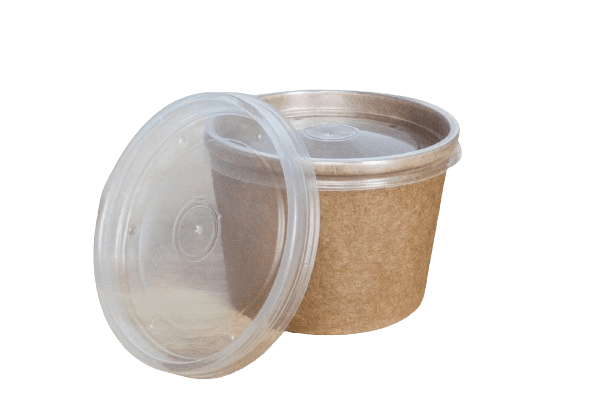
Some commercial pasta cookers function as both—cooking raw pasta during prep periods and reheating portioned pasta during peak service. If your operation pre-cooks pasta and portions it into 16 oz containers or 24 oz containers, look for models specifically rated as rethermalizers.
Basket Options and Versatility
Pasta cooker baskets come in round, rectangular, oblong, and fine-mesh configurations to handle different pasta shapes and other foods. Fine-mesh baskets prevent orzo, pastina, or small grains from escaping. Larger rectangular baskets work well for long pasta like spaghetti or linguine.
Beyond pasta, these cookers handle any food requiring boiling water: rice, grains, dumplings, eggs, and vegetables. Many kitchens use them for blanching vegetables during prep, making them more versatile than a dedicated stock pot on the range. The perforated baskets function like giant colanders, draining food instantly when lifted.
Energy Efficiency and Operating Costs
Induction pasta cookers offer 90-95% energy efficiency compared to gas models, converting nearly all energy directly to heat in the water. They eliminate open flames, reduce ambient kitchen heat, and lower air conditioning costs in warm climates.
Gas models cost less upfront but consume more energy over time. The choice often depends on existing kitchen infrastructure and utility costs in your area. Both types require NSF certification for food safety compliance, and international models may carry CE certification.
Maintenance and Water Management
Drain and refill pasta cookers regularly to prevent starch accumulation, which clouds water and affects pasta quality. Models with automatic water fill and overflow systems handle this partially by continuously introducing fresh water, but you’ll still need complete water changes between services or daily.
Clean drain valves weekly to prevent clogs. Descale heating elements monthly in hard water areas. After service, transfer any cooked pasta to hotel pans on a steam table or into Cambro containers for proper hot holding rather than leaving pasta in the cooker baskets.
Key Properties
Common Uses
Commercial pasta cookers are essential in Italian restaurants, large-scale catering operations, and any establishment serving high volumes of pasta dishes. Line cooks use them during service to cook pasta to order, maintaining consistent timing and texture across hundreds of portions. The equipment also functions during prep periods for blanching vegetables, cooking grains and rice, boiling eggs, and preparing dumplings. Operations using cook-chill methods rely on pasta cooker/rethermalizer combination units to reheat pre-portioned pasta stored in deli containers, enabling faster ticket times during peak service while maintaining food safety temperatures above 135°F.
Sustainability
Induction pasta cookers deliver significant energy savings with 90-95% efficiency compared to gas models, converting nearly all electrical energy directly into water heat rather than losing energy to ambient air. This efficiency reduces both utility costs and kitchen cooling requirements, cutting air conditioning loads by 20-30% in warm climates. Automatic water fill and overflow systems on advanced models reduce water waste by maintaining optimal cooking water quality through controlled replacement rather than complete manual dumping. The elimination of open flames in electric and induction models also reduces combustion emissions and improves indoor air quality for kitchen staff.