
Related Categories
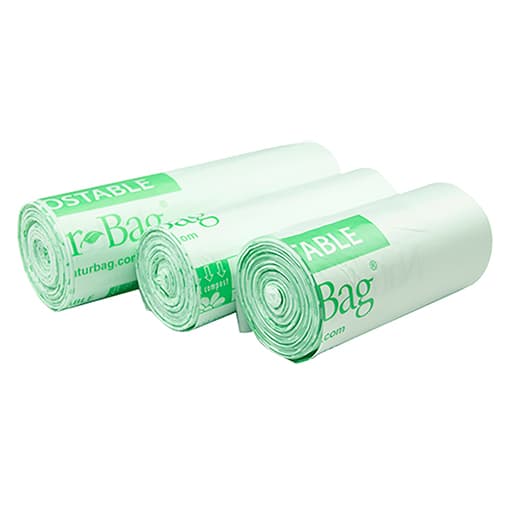
Compostable Can Liners & Bags
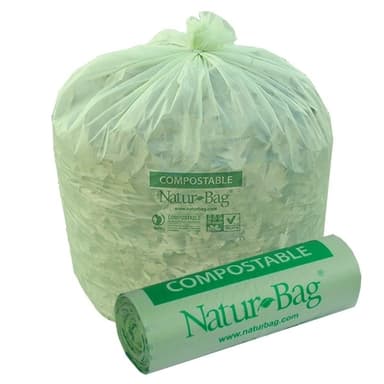
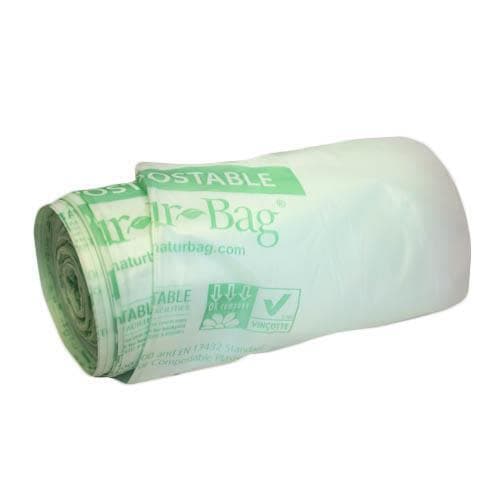
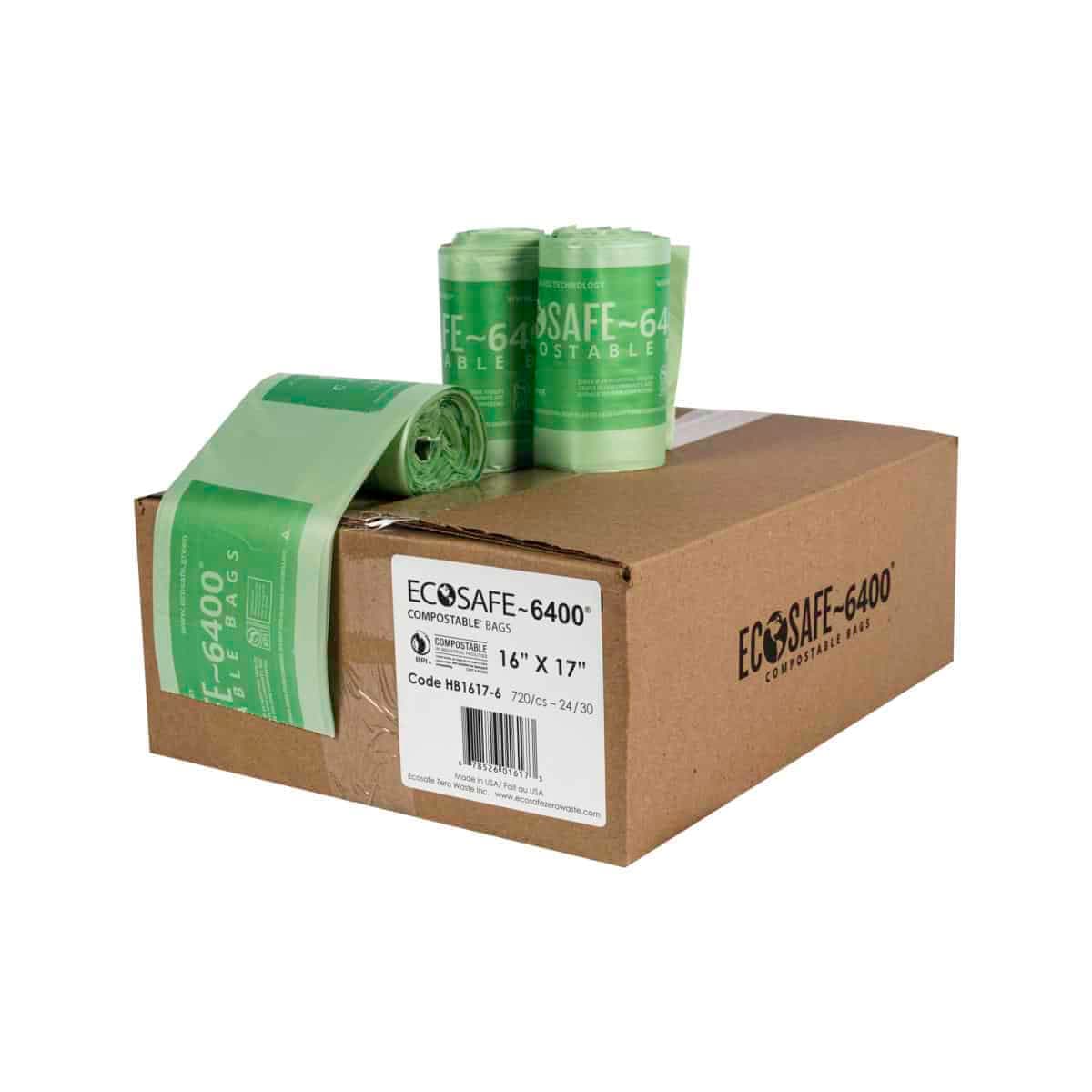
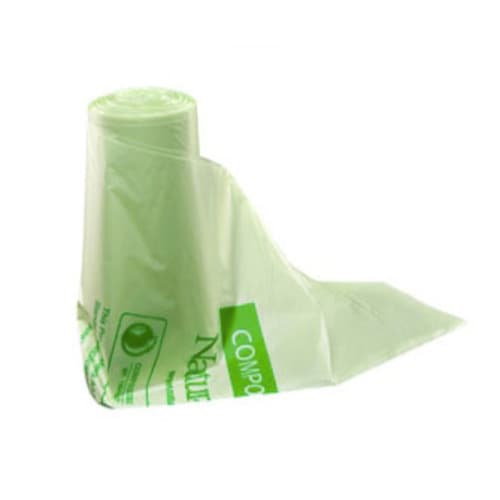
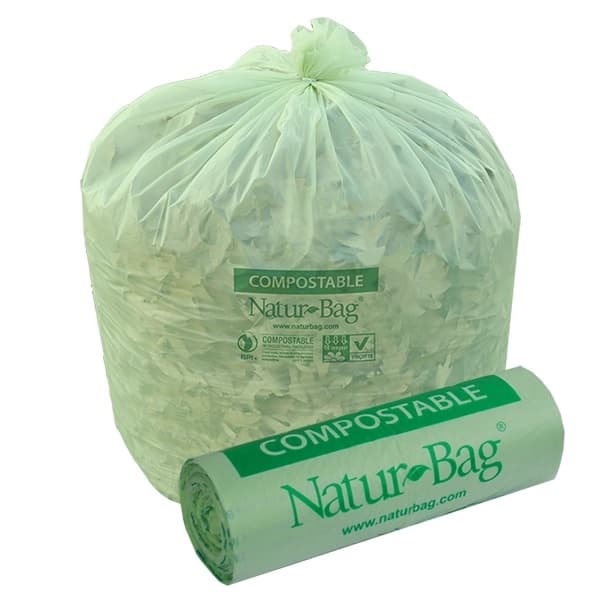
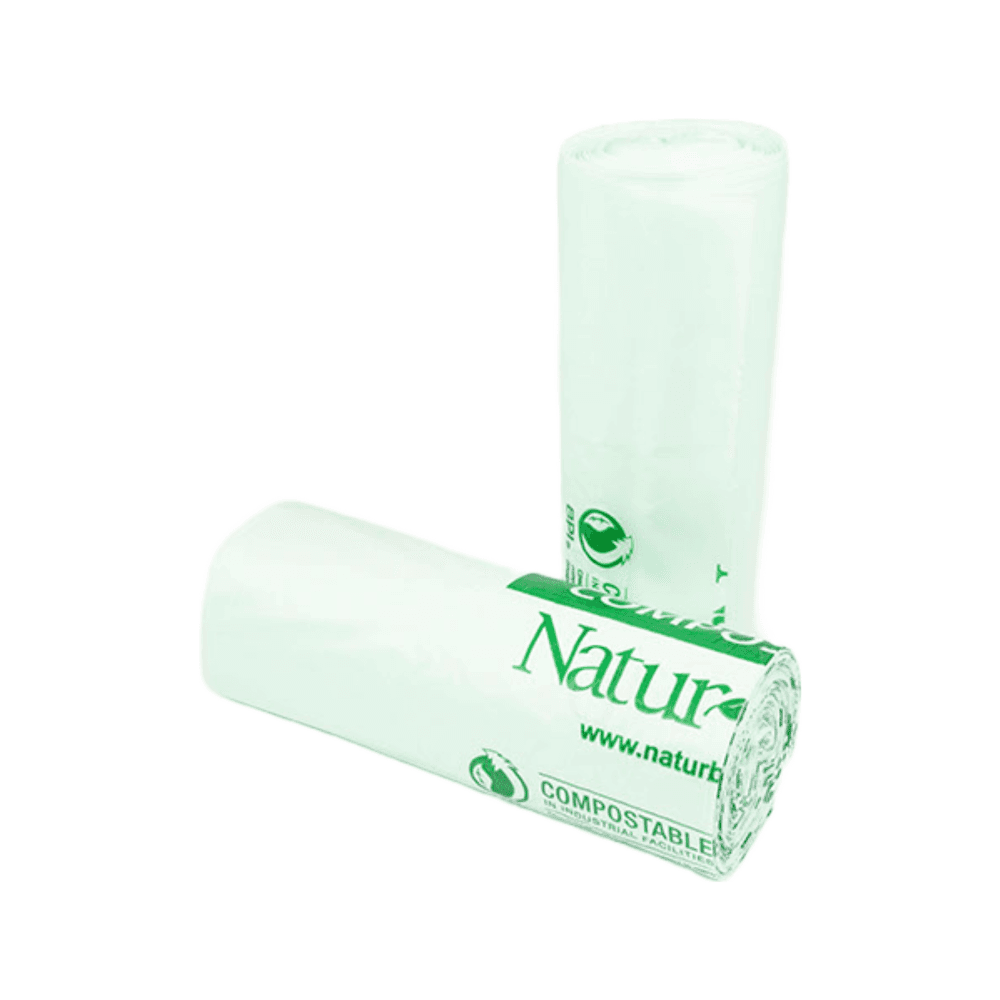
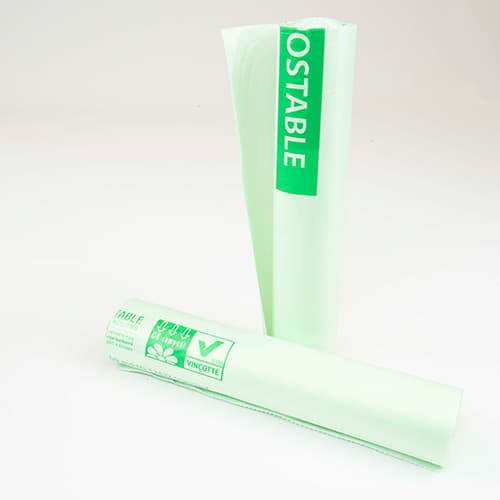
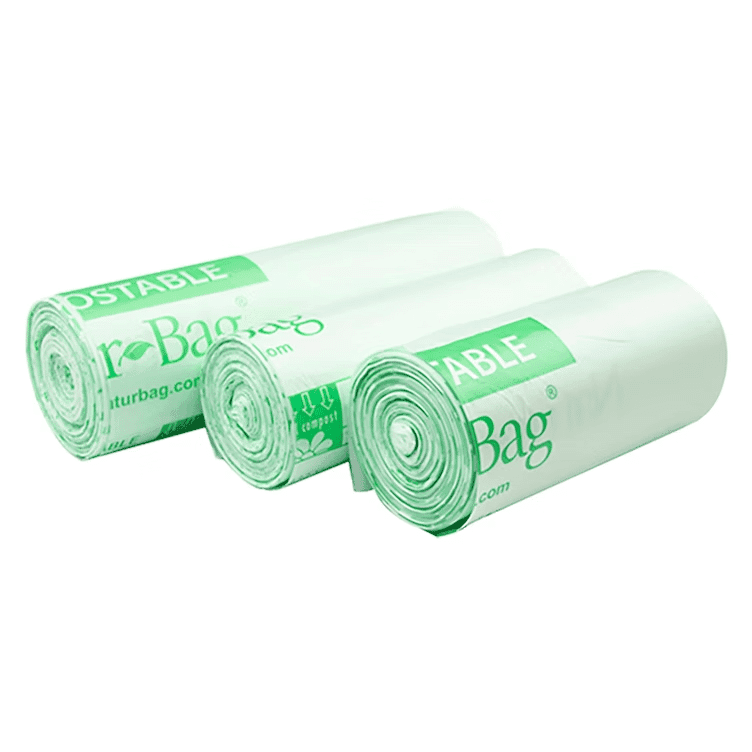
Compostable can liners line organics and food-waste bins for kitchens running composting programs, sized by gallon capacity and mil thickness to match the can and the load. Plant-based film breaks down in commercial composting alongside food scraps — check individual products for certification. Green tint and labeling help staff sort correctly at three-stream stations. Gallon fit, thickness, and case count are listed so the liner matches the can.
Material Options and Sustainability
Compostable can liners are typically manufactured from plant-based materials such as corn starch (PLA), vegetable oils, and other renewable bio-polymers that meet ASTM D6400 or BPI certification standards. Unlike traditional petroleum-based plastic liners, these bulk compostable can liners for food service decompose into organic matter when processed in commercial composting facilities, usually within 90-180 days. Many jurisdictions with mandatory composting programs require certified compostable liners for organic waste streams, making them essential for regulatory compliance in progressive markets.
Proper Use and Composting Requirements
Compostable liners perform best when used exclusively for organic waste and food scraps, as contamination with non-compostable materials can compromise the entire compost batch. These liners require processing at commercial composting facilities that reach specific temperature and moisture conditions—they will not properly break down in backyard compost bins or landfills. Understanding local composting infrastructure and certification requirements ensures that wholesale compostable can liners deliver their intended environmental benefits and meet municipal waste program specifications.
Choosing the Right Compostable Can Liners
Consider these factors when selecting compostable liners for your food service operation:
- Verify Certifications: Look for BPI (Biodegradable Products Institute) or CMA (Compost Manufacturing Alliance) certification to ensure liners meet ASTM D6400 standards and are accepted by your local composting facility.
- Match Capacity to Volume: Select liner sizes that correspond to your waste receptacles and daily food waste volume to prevent overfilling and bag failure during transport.
- Consider Moisture Resistance: Choose heavier gauge liners for wet food waste and high-moisture applications, as thinner compostable materials can break down prematurely when exposed to excessive liquids.
- Train Staff Properly: Educate kitchen and front-of-house teams on proper sorting practices to prevent contamination with non-compostable items that could compromise your organic waste stream.
- Confirm Local Acceptance: Contact your commercial composting provider before switching to compostable liners, as not all facilities accept certified compostable bags in their programs.
Frequently asked questions
- Why choose compostable can liners?
- They break down in commercial composting facilities into organic matter, reducing environmental impact. Plant-based materials meet ASTM D6400 or BPI certification standards required by many jurisdictions with mandatory composting programs.
- Can these liners be used for any type of waste?
- No. Use only for organic waste and food scraps. Contamination with non-compostable materials compromises the entire compost batch and defeats their environmental purpose.
- What certifications should I look for?
- Look for BPI (Biodegradable Products Institute) or CMA (Compost Manufacturing Alliance) certification to ensure liners meet ASTM D6400 standards and are accepted locally.