
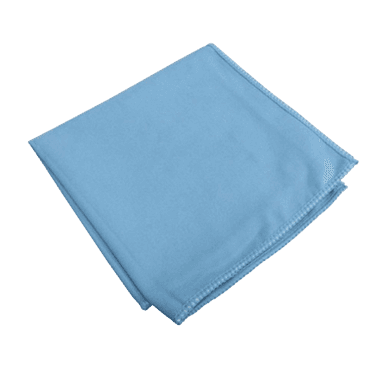
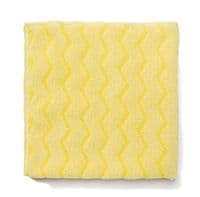
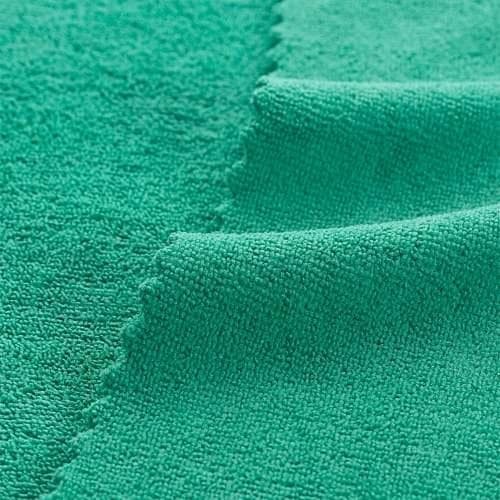
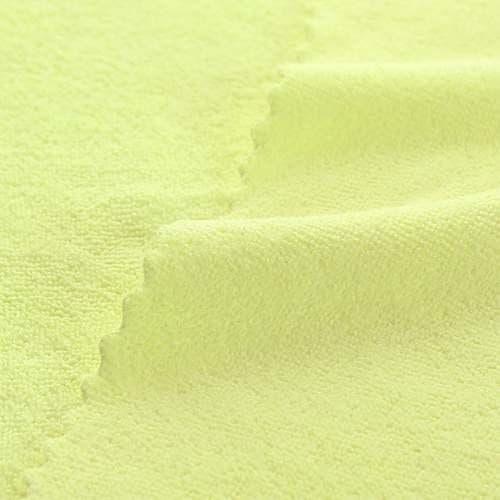
Rubbermaid FGQ61000YL00 HYGEN 16" x 16" Yellow Microfiber Cloth
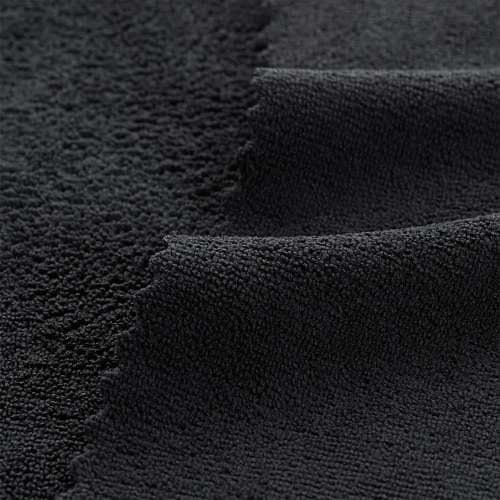
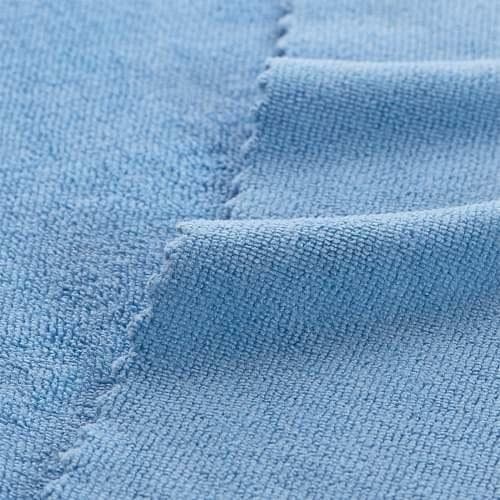
Related Categories
About Wholesale Microfiber Cleaning Supplies
Microfiber cleaning supplies are essential tools for maintaining hygiene standards in commercial kitchens, dining areas, and food service facilities. Restaurants, caterers, hotels, and institutional kitchens rely on wholesale microfiber cloths and mops for their superior cleaning performance and durability. These products offer exceptional dirt and bacteria removal while reducing chemical usage and water consumption compared to traditional cleaning materials.
Material Performance and Sustainability
High-quality microfiber is typically composed of polyester and polyamide fibers that are split to create millions of tiny hooks capable of trapping dirt, grease, and bacteria at the microscopic level. Bulk microfiber cleaning products for restaurants offer significant sustainability advantages, as they can be laundered and reused hundreds of times, reducing waste and long-term costs. The advanced fiber technology allows for effective cleaning with minimal or no chemical cleaners, supporting green cleaning initiatives and reducing environmental impact in food service operations.
Applications in Food Service Environments
Wholesale microfiber products serve multiple functions across food service operations, from wiping down food prep surfaces and sanitizing dining tables to mopping floors and polishing stainless steel equipment. Color-coded microfiber systems help prevent cross-contamination by designating specific colors for different areas such as kitchens, restrooms, and dining spaces. The lint-free properties make microfiber ideal for glass cleaning and polishing tasks, while heavy-duty microfiber mops efficiently handle high-traffic kitchen floors without spreading contaminants.
Choosing the Right Microfiber Cleaning Supplies
Consider these factors when selecting microfiber products for your food service operation:
- GSM Weight Matters: Choose microfiber cloths with a GSM (grams per square meter) rating of 300 or higher for heavy-duty kitchen cleaning, while lighter weights work well for glass and general surface wiping.
- Color-Coding System: Implement a color-coded system to assign specific microfiber colors to different zones, preventing cross-contamination between food prep areas, dining spaces, and restrooms.
- Proper Laundering: Wash microfiber separately from cotton materials using hot water and avoid fabric softeners or bleach, which damage the fibers and reduce cleaning effectiveness.
- Edge Construction: Select microfiber cloths with reinforced or bound edges rather than cut edges to prevent fraying and extend the product lifespan in demanding commercial environments.
- Task-Specific Products: Stock different microfiber products for specific tasks, including flat-weave cloths for general cleaning, waffle-weave for glass, and terry or chenille styles for scrubbing and heavy soil removal.