
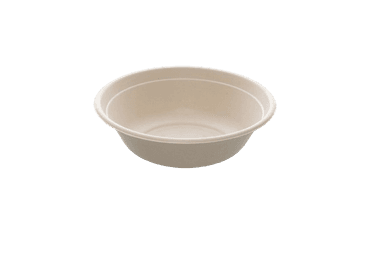
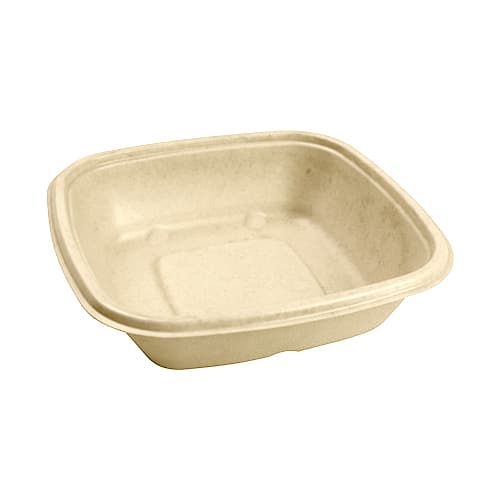
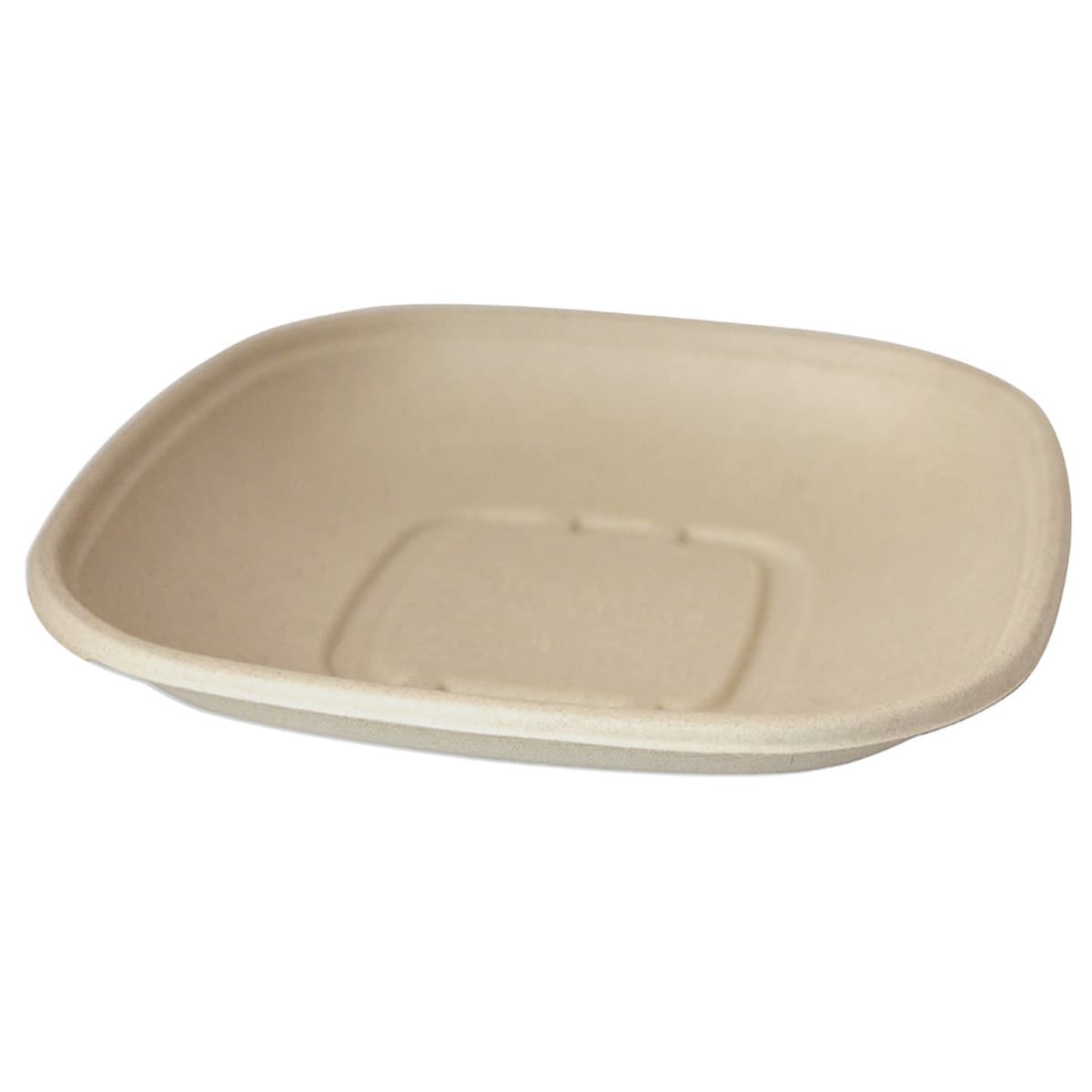
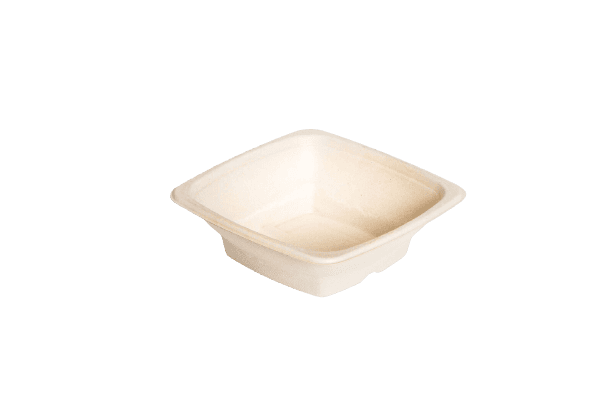
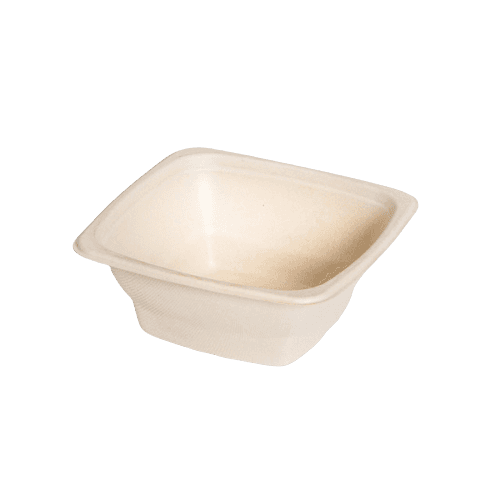
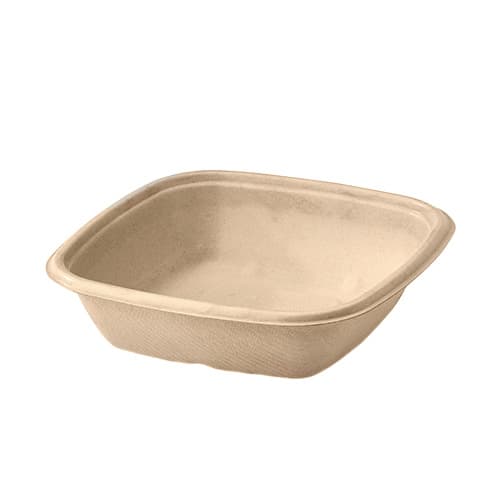
80 oz Sabert TerraPac Square Pulp Square Bowl Natural
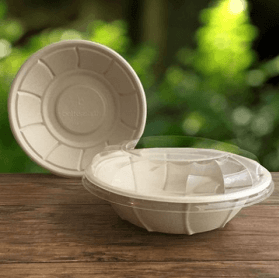
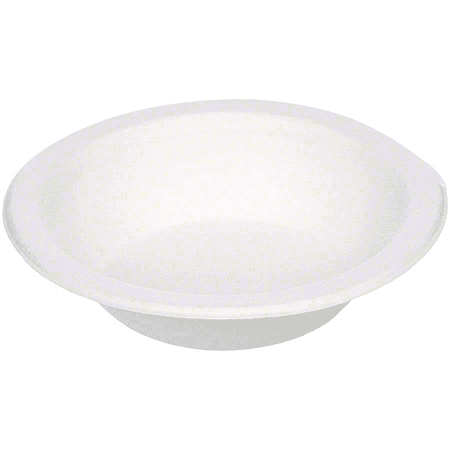
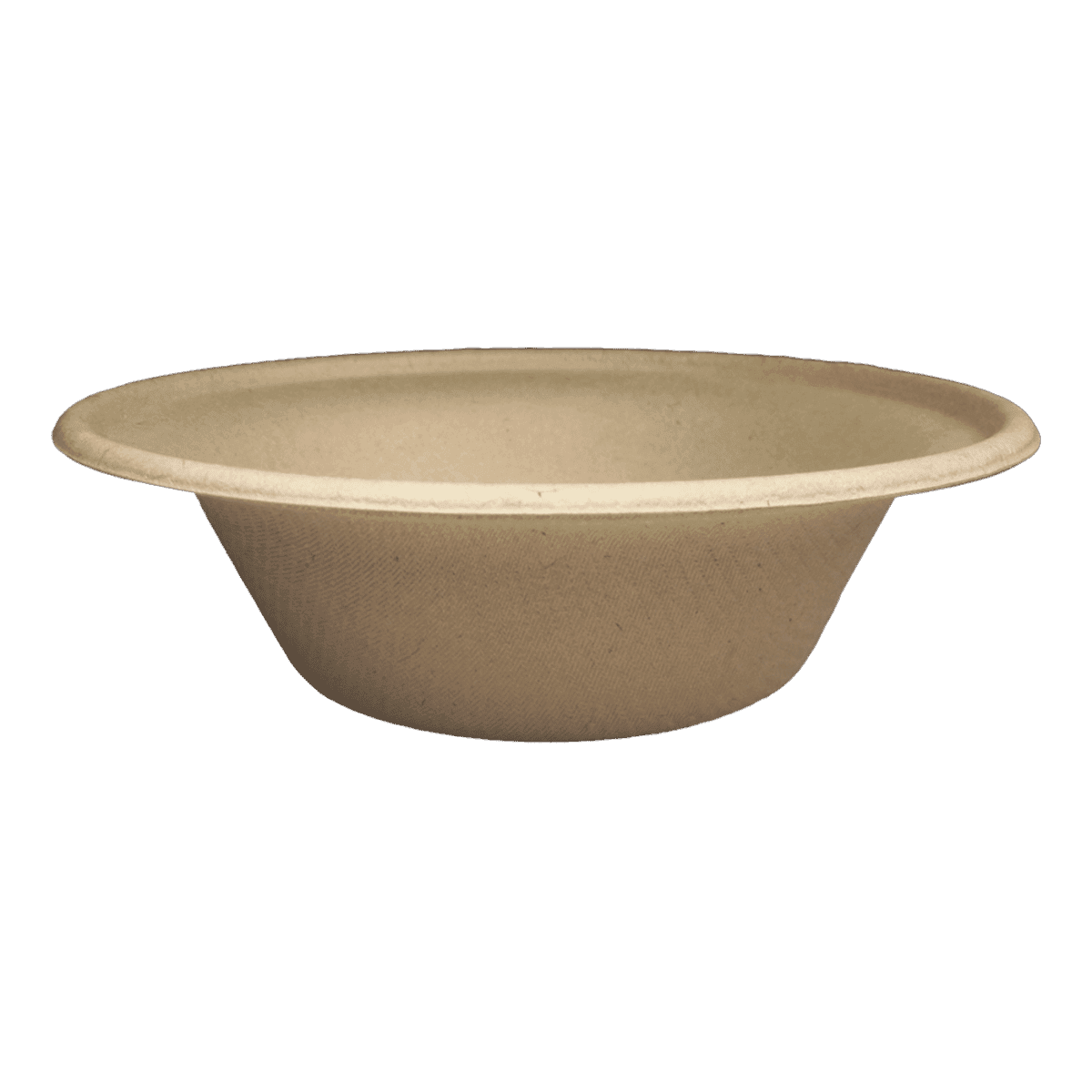
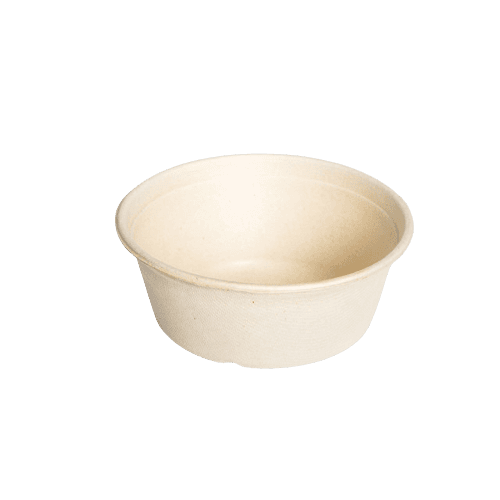
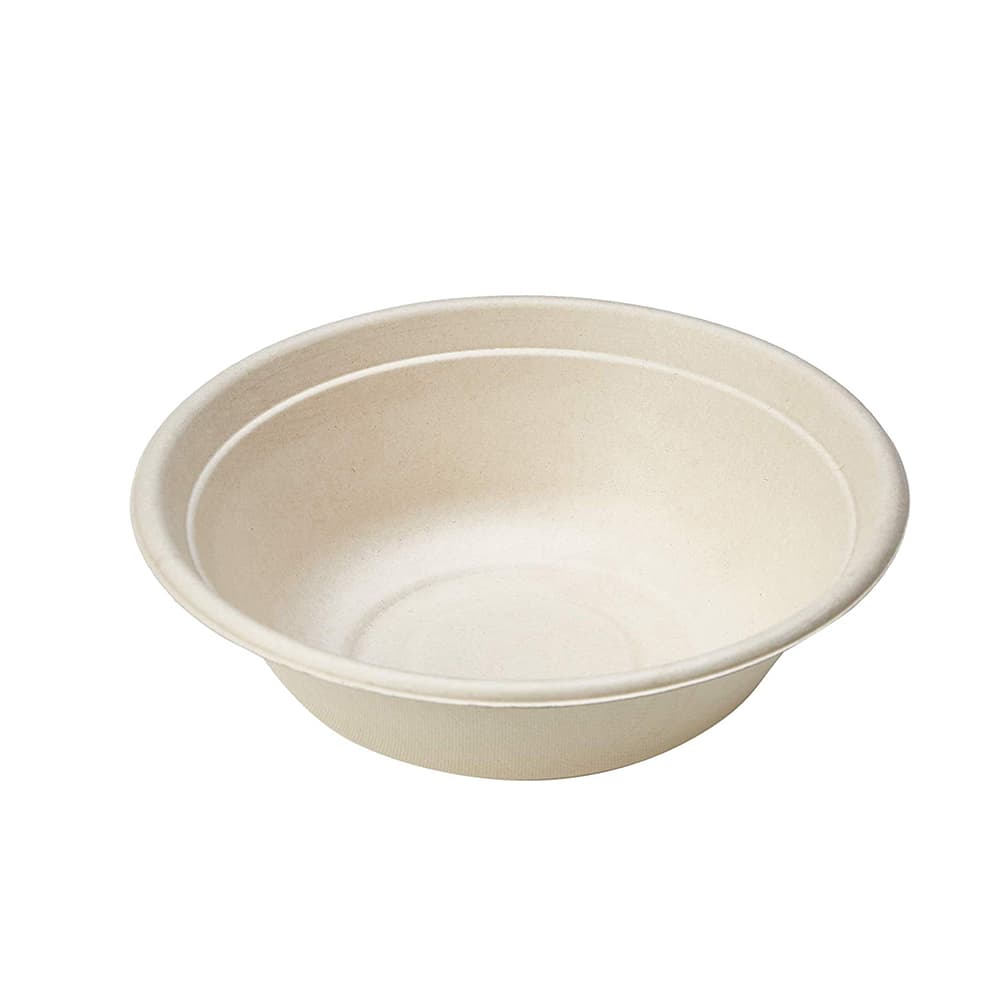
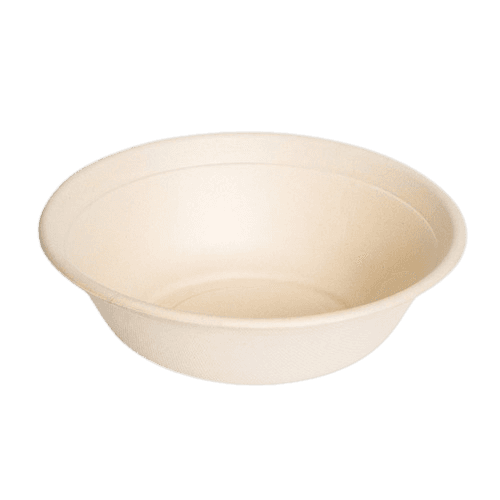
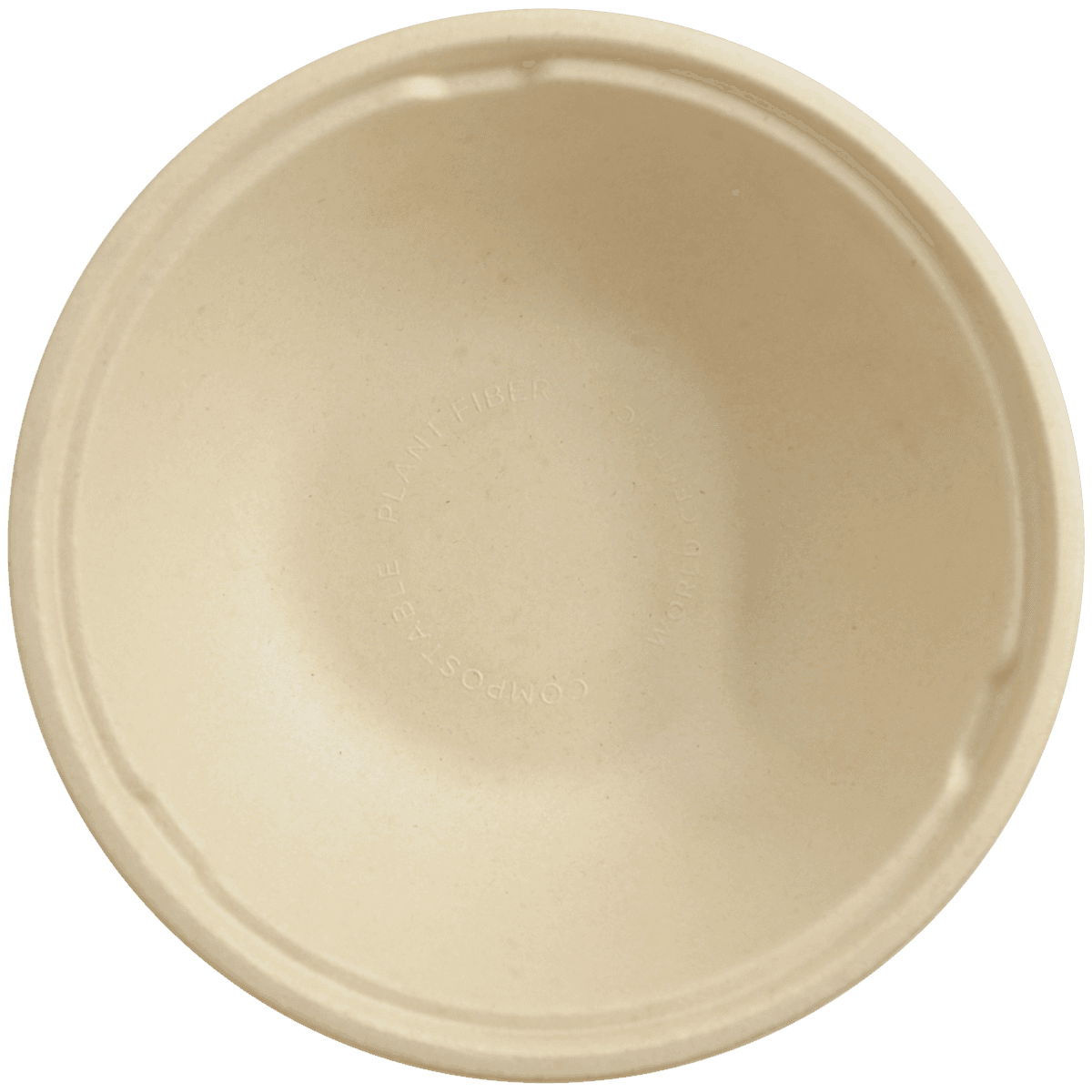
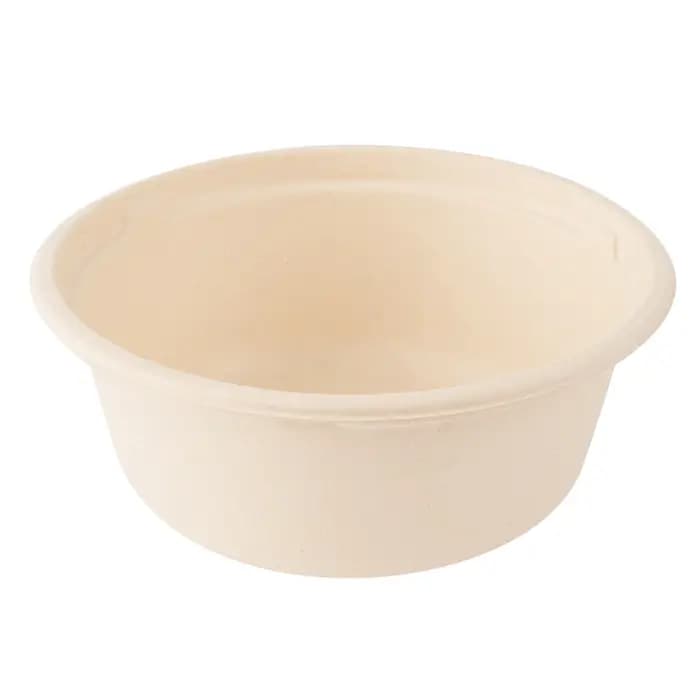
Better Earth® 32oz. Round Eco-bamboo Compostable Fiber Bowl
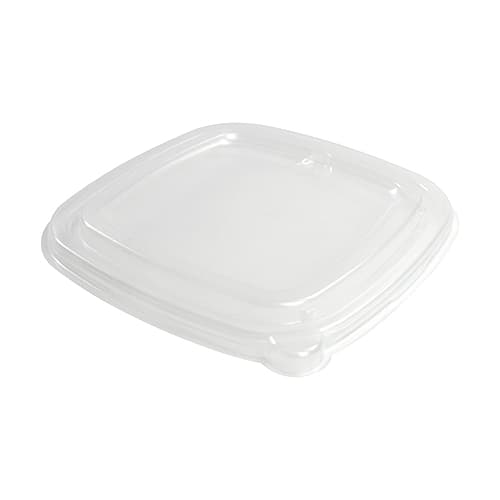
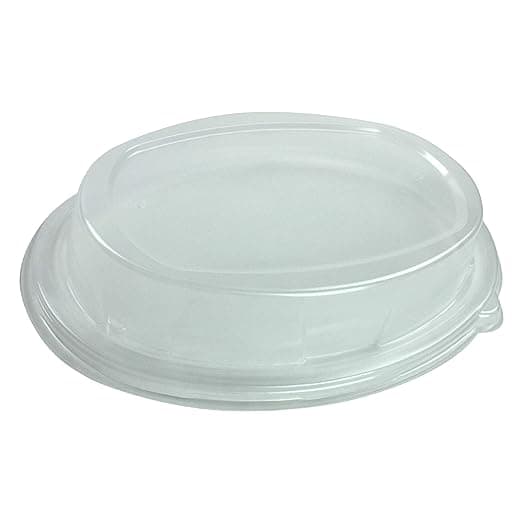
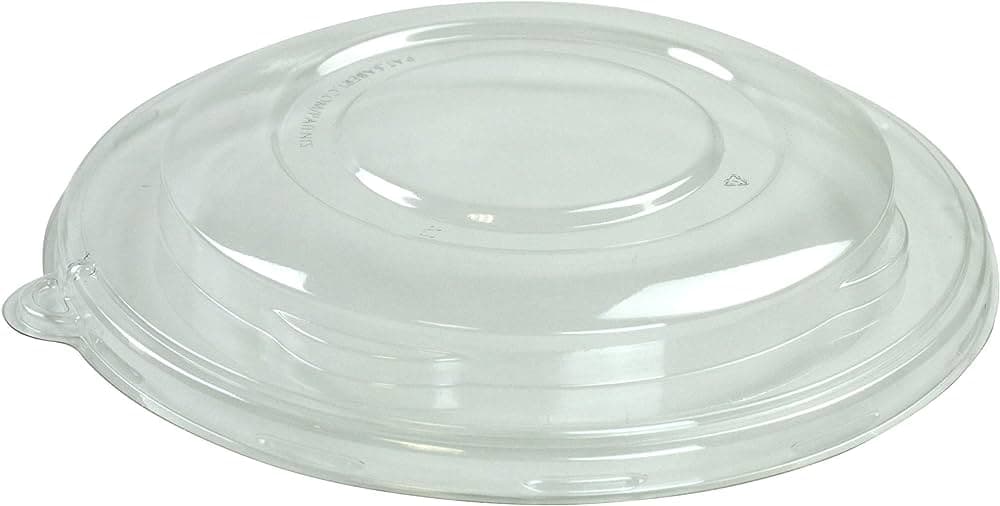
Related Categories
Molded Fiber Bowls for Hot & Cold
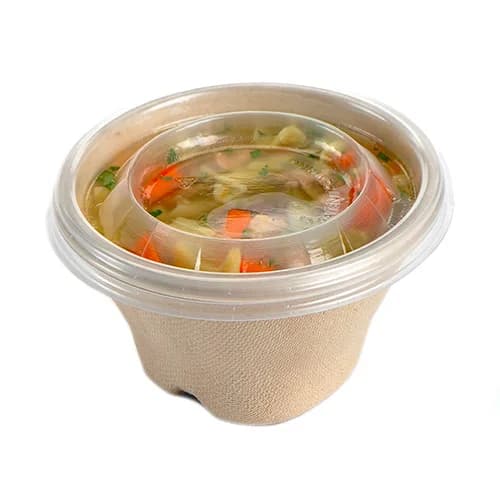
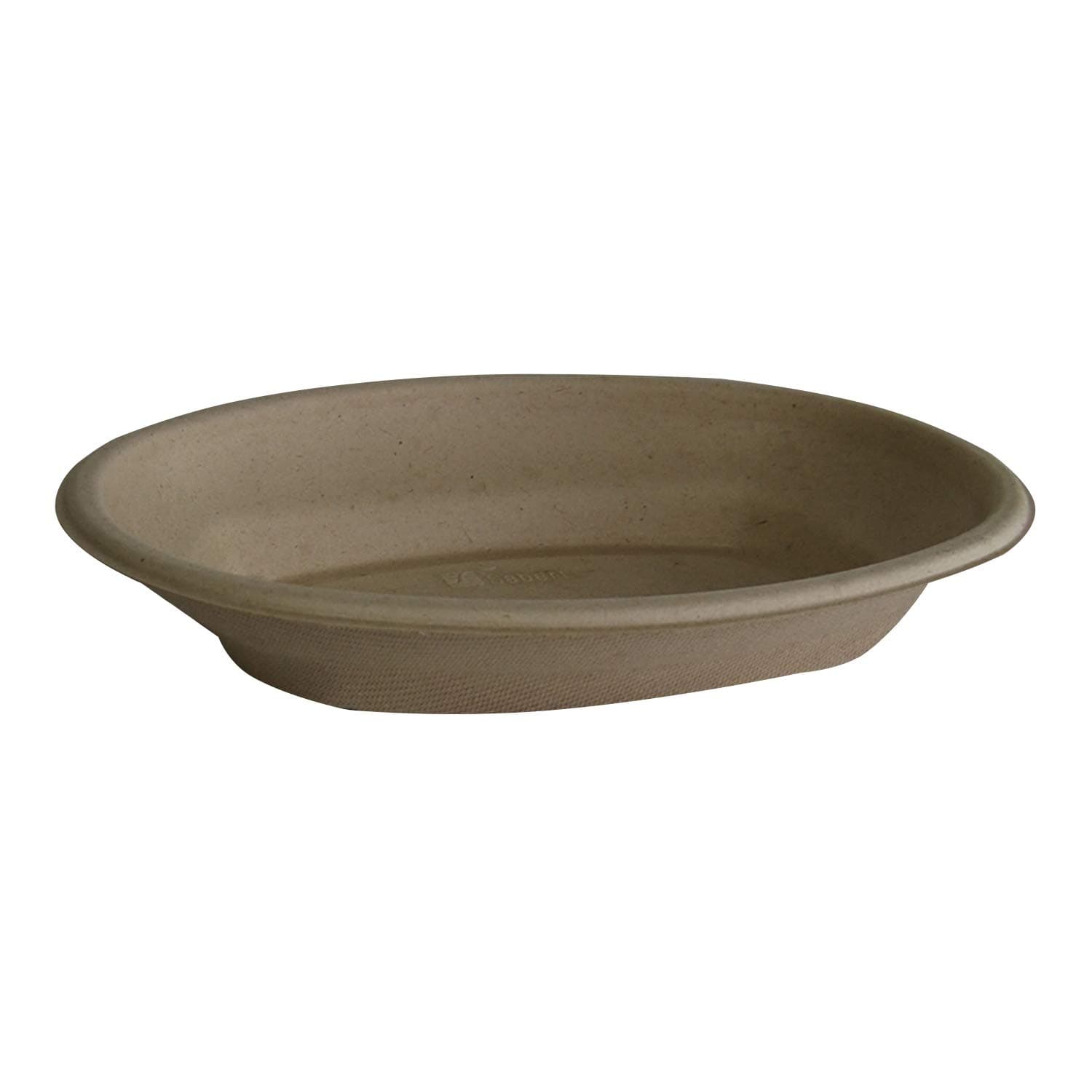
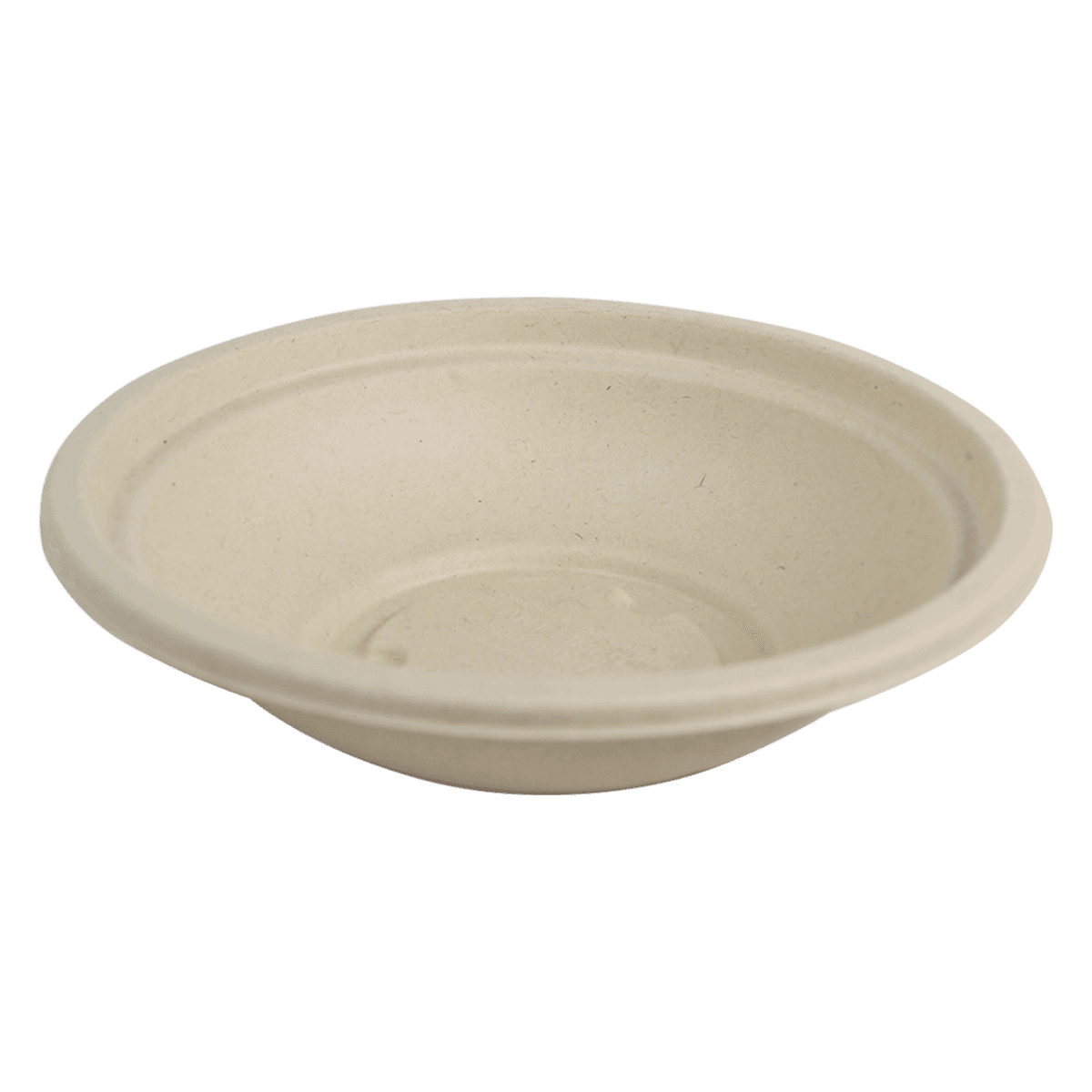
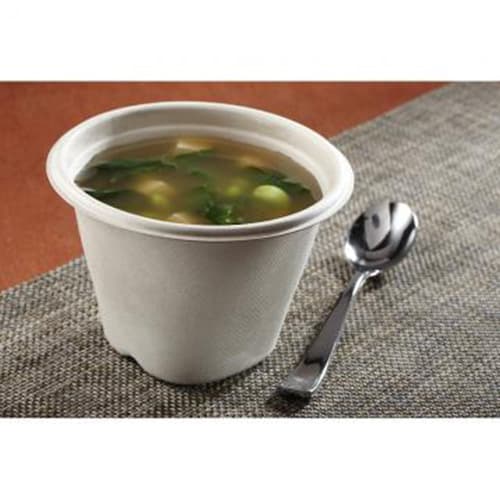
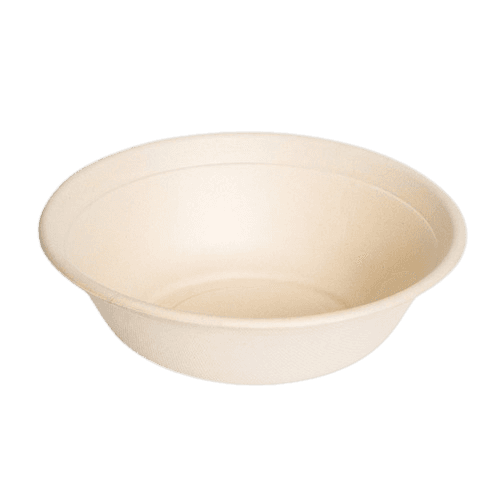
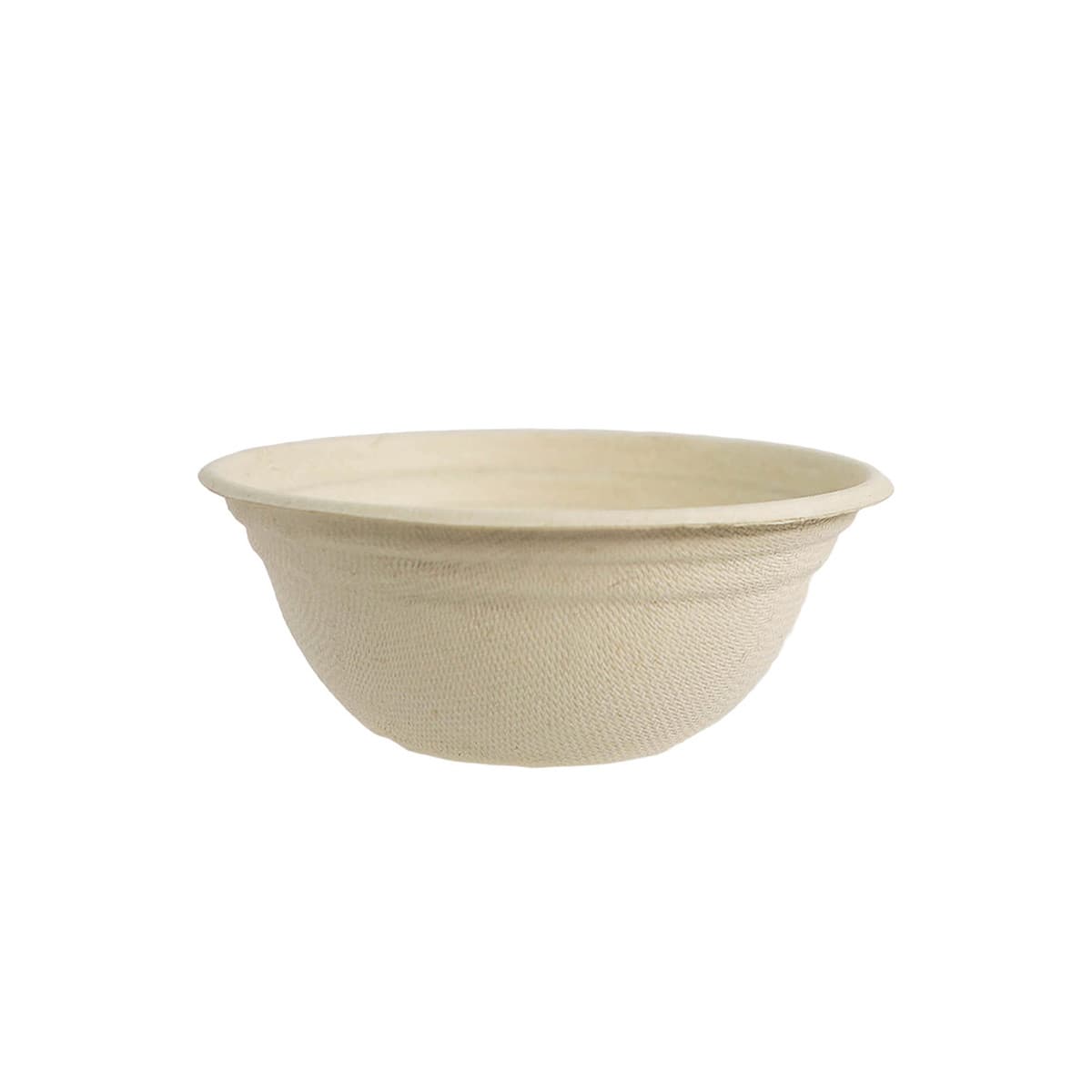
Molded fiber bowls made from sugarcane bagasse handle hot soup, ramen, grain bowls, and salads without going soggy, and they are microwave-safe for reheatable menus. Sizes run from 8 oz sides to 48 oz entrée bowls, with vented or flat fiber and plastic lids matched by rim. Compostable options are available for operations that separate organics. Capacity, lid fit, and case pack are listed so bowls and lids reorder together.
Material Options and Sustainability
Bulk fiber bowls for restaurants are typically manufactured from sugarcane bagasse, a byproduct of sugar processing, or bamboo and wheat straw fibers. These materials are renewable, biodegradable, and compostable in commercial facilities, breaking down within 60-90 days. Fiber bowls provide a sturdy, grease-resistant option that performs well with both hot and cold foods while significantly reducing environmental impact compared to traditional disposables.
Performance and Food Service Applications
Wholesale fiber bowls deliver reliable performance across various food service applications, from hot soups and grain bowls to cold salads and desserts. The natural fiber construction provides excellent insulation properties, keeping hot foods warm while remaining comfortable to hold. These bowls resist soaking through with liquids and oils better than many paper alternatives, making them ideal for high-volume operations serving diverse menu items.
Choosing the Right Fiber Bowls
Consider these factors when selecting fiber bowls for your food service operation:
- Size and Capacity: Match bowl sizes to your typical portion sizes, with common options ranging from 12 oz for sides to 32 oz for entrees and family-style servings.
- Temperature Requirements: Verify the bowl's temperature rating to ensure it can handle your hottest menu items without compromising structural integrity.
- Lid Compatibility: Select fiber bowls with matching lid options for takeout and delivery service to prevent spills and maintain food temperature during transport.
- Certification Standards: Look for BPI or CMA certification to confirm commercial compostability, especially important if customers or local regulations require proper composting documentation.
- Storage Space: Calculate storage requirements based on your order volume, as fiber bowls typically require more space than nested plastic containers.
Frequently asked questions
- Are fiber bowls microwave safe?
- Yes, molded fiber bowls are microwave-safe, making them suitable for reheatable menus and warming foods before service.
- What types of food are best served in fiber bowls?
- Fiber bowls work well for hot soups, ramen, grain bowls, salads, and cold foods. They resist soaking through and provide excellent insulation.
- Can fiber bowls be recycled?
- Fiber bowls are compostable in commercial facilities within 60-90 days. Look for BPI or CMA certification to confirm compostability standards.