
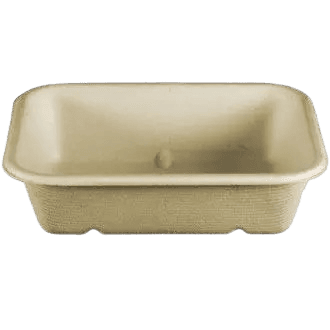
About Wholesale Eco-friendly Containers
Eco-friendly containers provide sustainable food packaging solutions for restaurants, caterers, food trucks, and cafeterias committed to reducing environmental impact. These biodegradable and compostable options meet growing consumer demand for responsible takeout and delivery packaging while maintaining food safety and presentation standards. Wholesale eco-friendly containers for restaurants offer cost-effective access to plant-based materials that break down naturally without compromising durability.
Material Options and Sustainability
Bulk eco-friendly containers for food service come in multiple sustainable materials including bagasse (sugarcane fiber), bamboo, palm leaf, cornstarch PLA, and molded fiber pulp. These materials are certified compostable, breaking down in commercial composting facilities within 90-180 days, significantly reducing landfill waste compared to traditional plastic containers. Many options are also microwave-safe and grease-resistant, making them functional alternatives for hot and cold food applications without sacrificing performance.
Types and Applications
Wholesale eco-friendly food containers include clamshell takeout boxes, bowls with lids, portion cups, deli containers, and specialty items for specific cuisines. Heat-tolerant options work well for hot entrees, soups, and sauces, while moisture-resistant varieties suit salads, sandwiches, and cold preparations. Selecting the right container type depends on menu items, portion sizes, and whether food will be consumed immediately or transported for later consumption.
Choosing the Right Eco-friendly Containers
Consider these factors when selecting sustainable packaging for your food service operation:
- Match Material to Food Type: Choose bagasse or molded fiber for hot, oily foods due to superior grease resistance, while PLA works well for cold items and salads.
- Verify Compostability Certifications: Look for BPI or CMA certification to ensure containers meet commercial composting standards and comply with local sustainability regulations.
- Consider Temperature Requirements: Check maximum temperature ratings before use, as some materials perform better with hot foods while others are designed exclusively for cold applications.
- Evaluate Closure Security: Select containers with secure-fitting lids or integrated closures to prevent leaks during transport and maintain food quality for delivery orders.
- Calculate True Cost Savings: Factor in potential marketing benefits and customer loyalty from eco-friendly packaging when comparing costs to conventional plastic containers.