




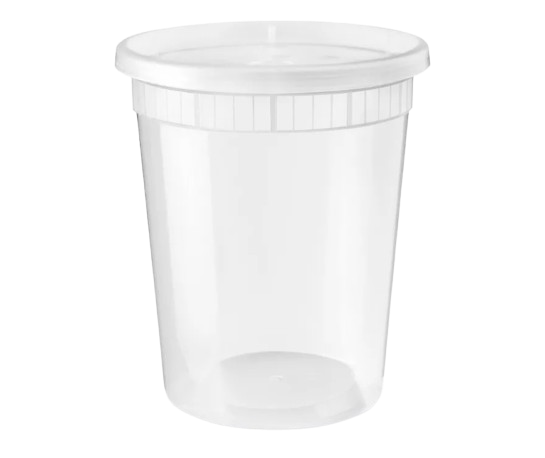

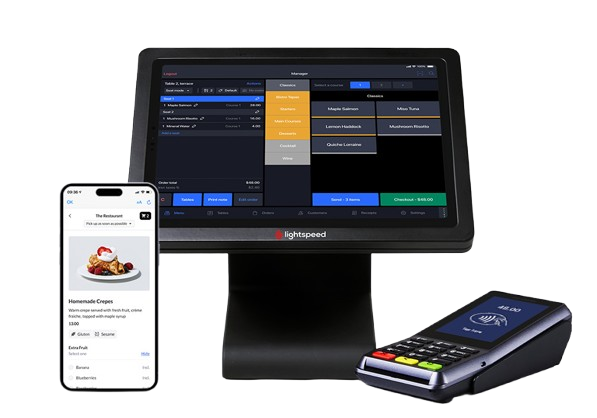
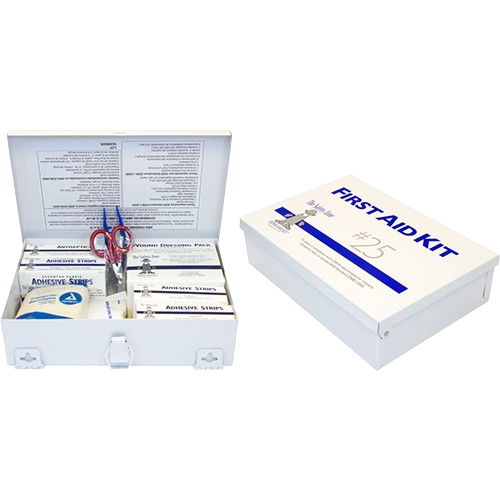






Hoffmaster 611101 2" x 3 1/2" Chocolate Brown Tulip Baking Cup

Hoffmaster 611120 2" x 3 1/2" Unbleached Natural Tulip Baking Cups

Iconex 9078-0668 Direct Thermal Printing Thermal Paper Rolls, 3.125" x 220 ft, White

Large Single Copy Cardboard 5.25" x 8.5" Guest Check 2,000/Case

Large-Wide Two-Part Carbonless 4.25" x 9.75" Guest Check 2,500/Case
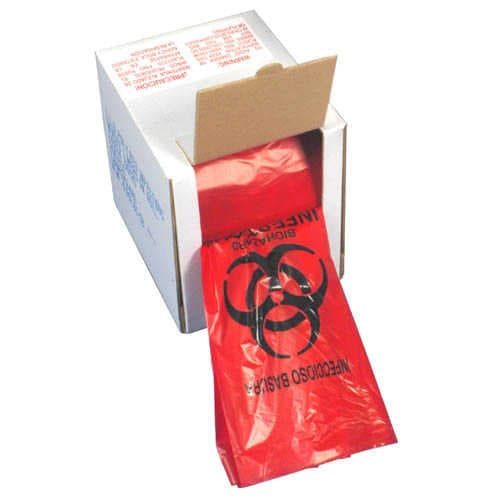
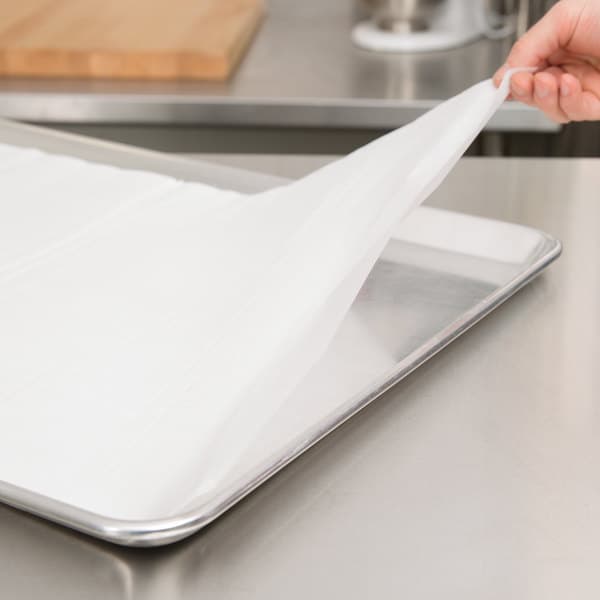
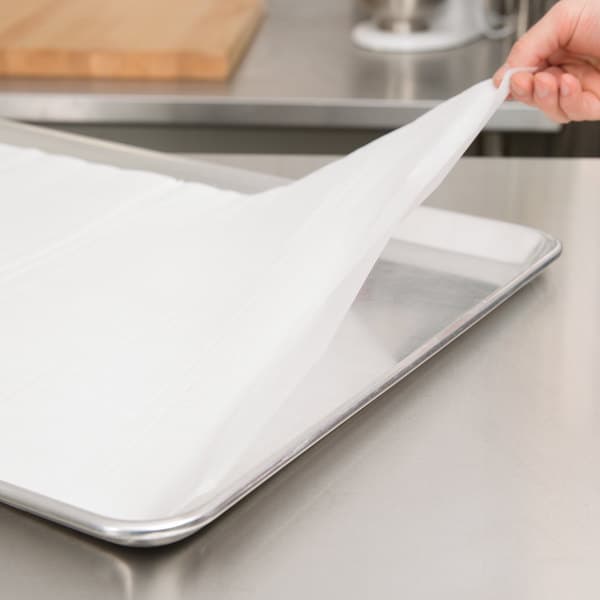

Medium Single Copy Cardboard 3.5" x 6.75" Guest Check 2,500/Case
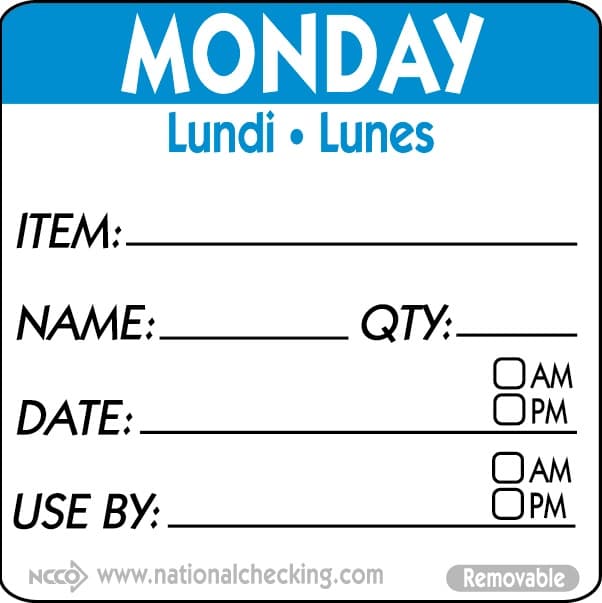
Monday 2″ x 2″ Item/Date/Use By Removable Labels 500/Roll

Office Snax 2.8 gram Sugar Packs Packet - Powdered Sugar - 1200/Carton
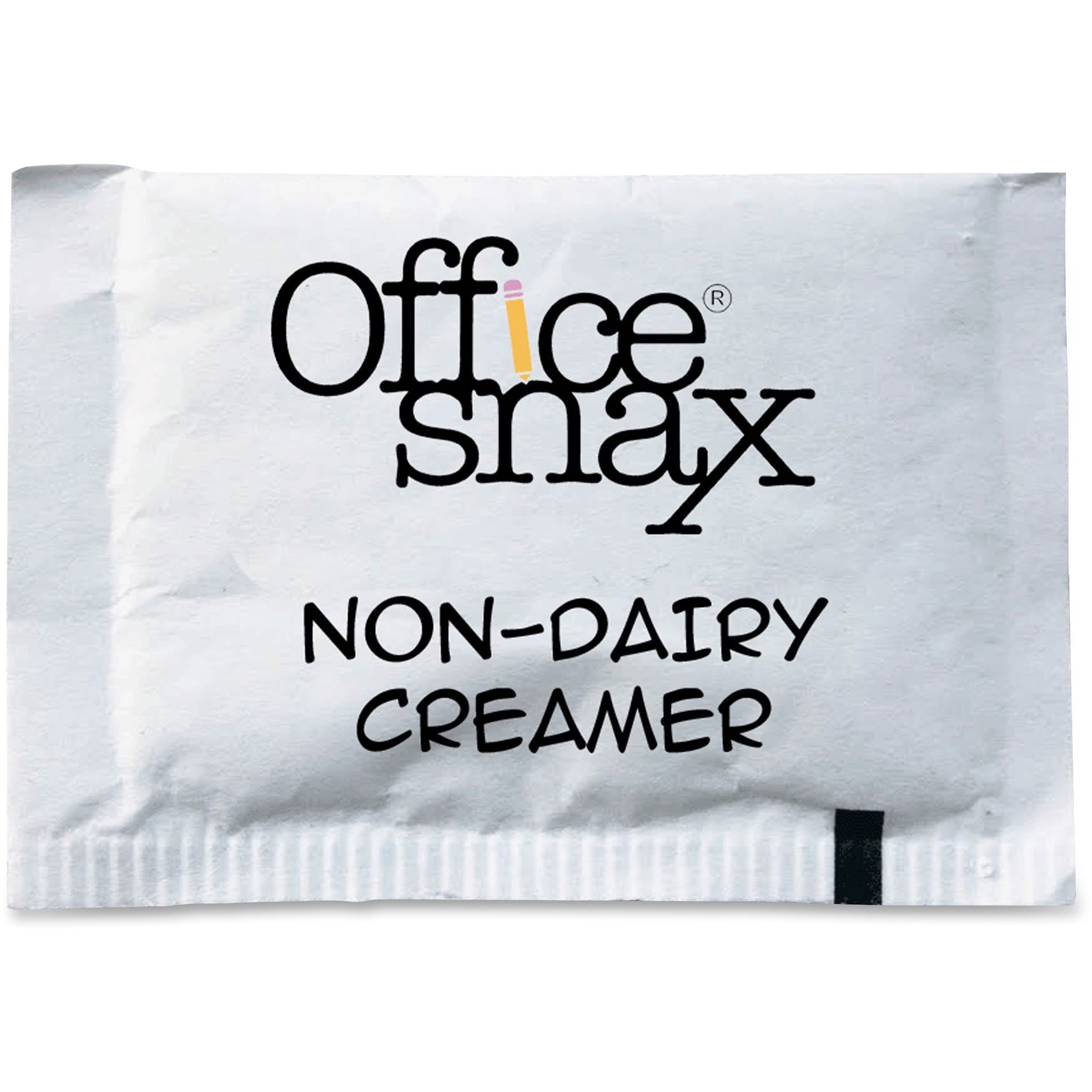
Office Snax Single-Serve Powder Non-Dairy Creamer, 2.2 g, 800 Packets


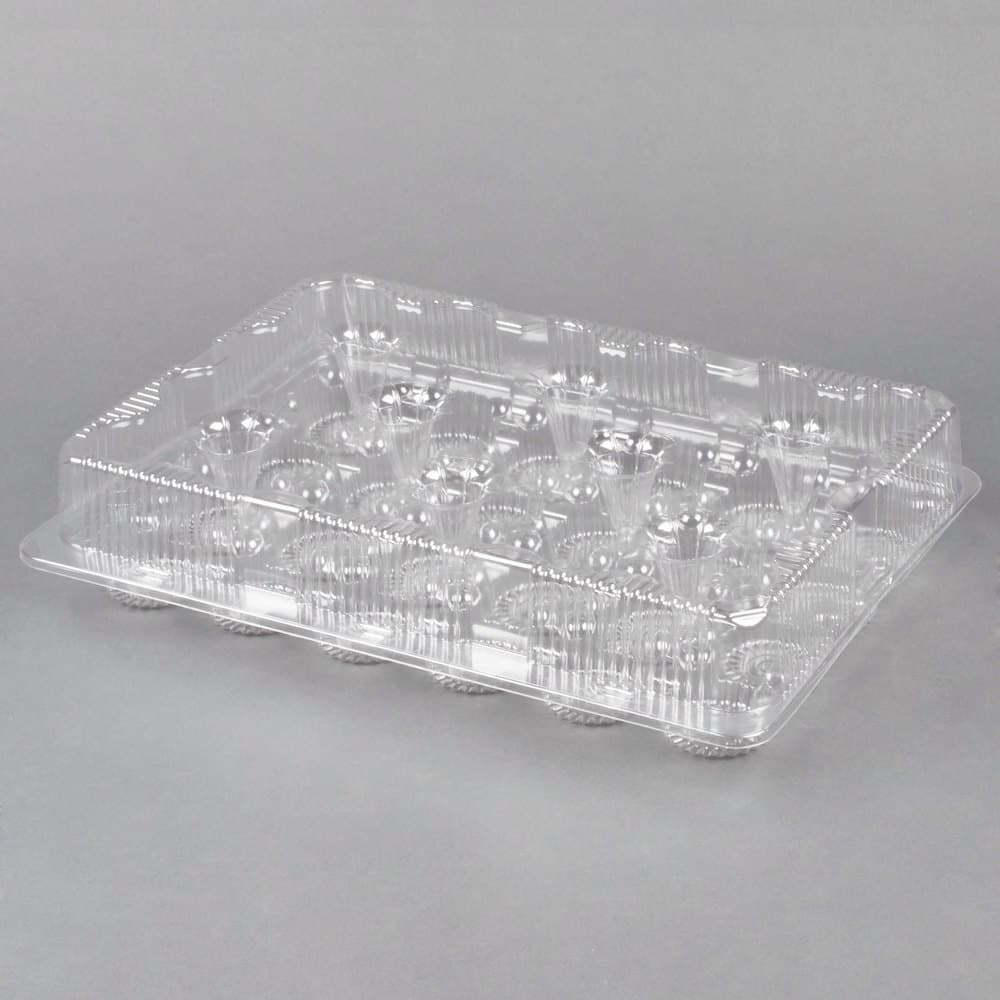
Polar Pak 24 Compartment Clear Hinged Cupcake / Muffin Takeout Container


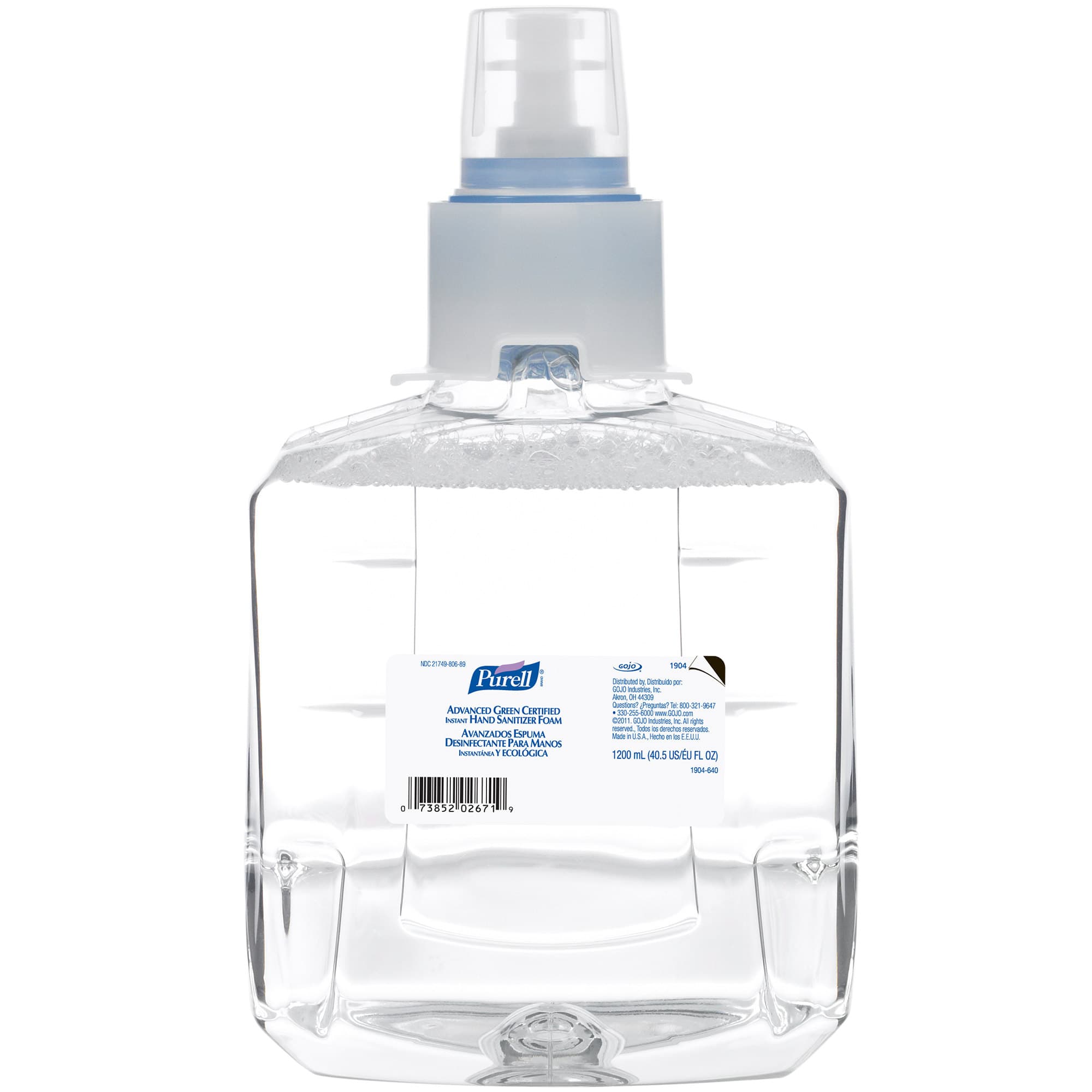
Purell® 1904-02 LTX-12 Advanced Green Certified 1200 mL Foaming Instant Hand Sanitizer
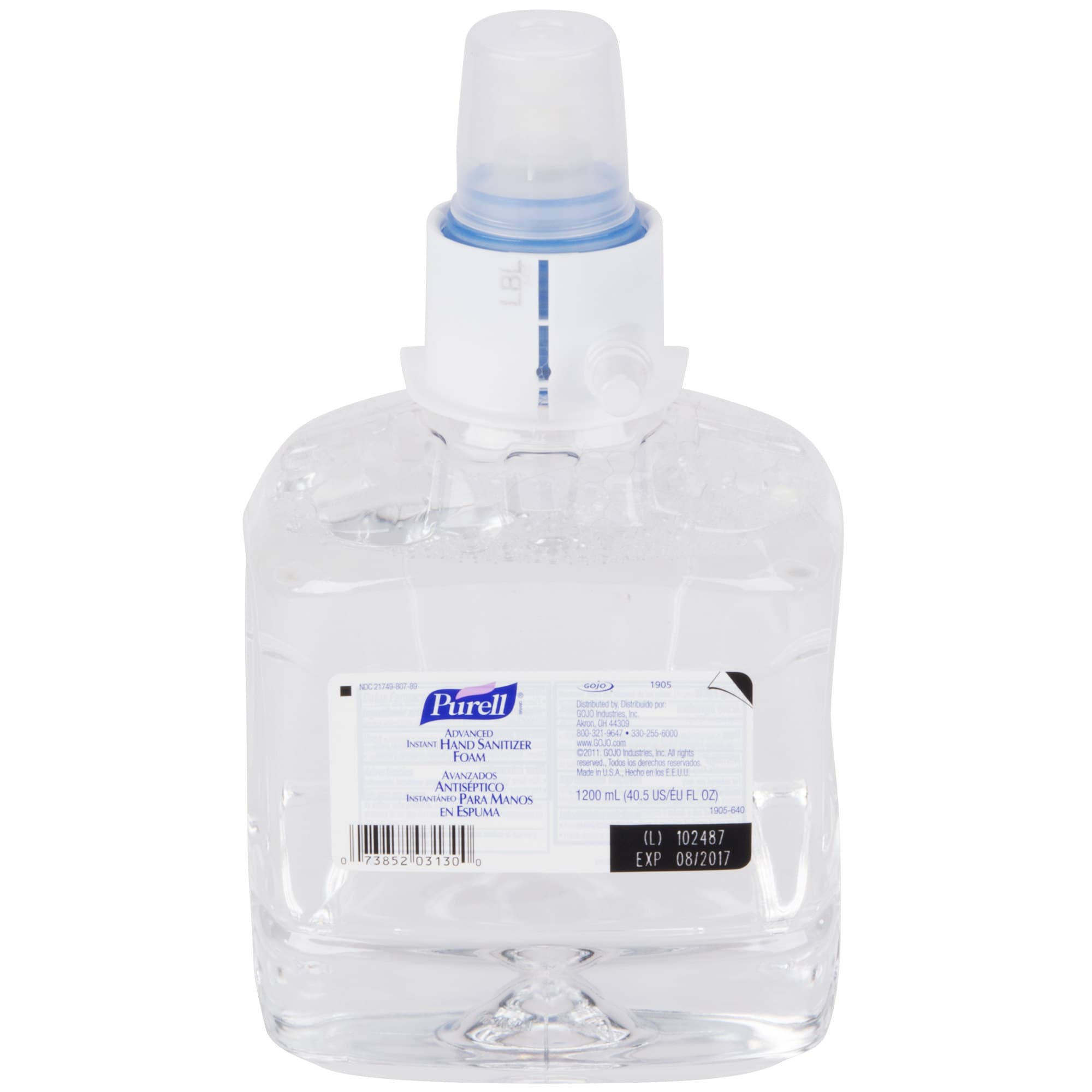
Purell® 1905-02 LTX-12 Advanced 1200 mL Foaming Instant Hand Sanitizer
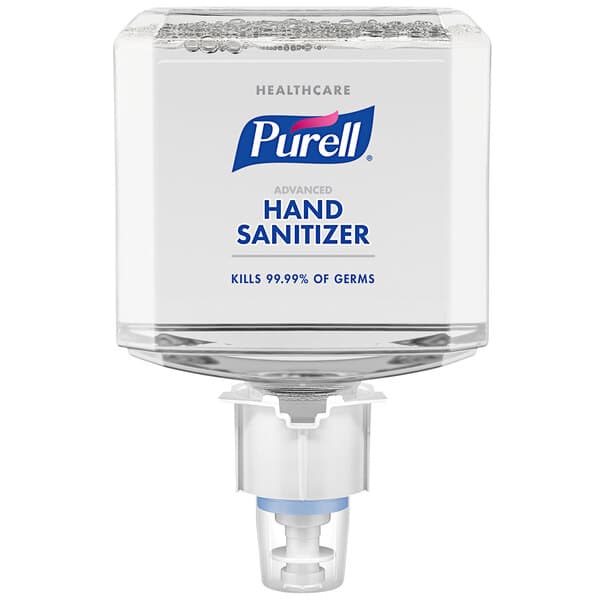
Purell® 6453-02 Advanced Healthcare ES6 1200 mL Foaming Hand Sanitizer
Restaurant Operating Essentials
The operating essentials that sit outside packaging: kitchen and food-prep tools, bakery supplies, apparel and uniforms, safety and compliance gear, signage and communication, order and payment supplies, storage and organization, and tabletop and guest presentation. This hub is where front- and back-of-house stock the recurring consumables and small equipment that keep a shift running — grouped so a single order can cover prep, service, safety, and guest-facing needs across restaurants, hotels, and institutional kitchens.
Comprehensive Categories for Complete Operations
Food service supplies span multiple operational areas, each critical to business success. Kitchen and food prep essentials include cutting tools, cookware, and small wares that directly impact menu execution, while housekeeping and cleaning products maintain sanitation standards required by health departments. Apparel and uniforms create professional staff presentation, safety and compliance items protect employees and meet regulatory requirements, and tabletop and guest presentation products deliver the dining experience that defines brand identity.
Durability and Material Considerations
Commercial-grade supplies built for high-volume food service environments prioritize durability and performance under demanding conditions. Stainless steel dominates kitchen tools and storage solutions for corrosion resistance and ease of sanitization, while heavy-duty plastics and NSF-certified materials ensure food safety compliance. Textile items like aprons and towels benefit from commercial laundering-rated fabrics, and increasingly, food service operations seek sustainable alternatives including compostable disposables, energy-efficient lighting, and chemical-free cleaning systems that reduce environmental impact without compromising effectiveness.
Storage and Organization Systems
Effective storage and organization infrastructure maximizes kitchen efficiency, reduces waste, and maintains food safety protocols. Commercial shelving systems, food storage containers with proper sealing mechanisms, and labeling solutions help staff quickly locate ingredients and track inventory rotation. Proper organization of supplies and essentials extends product life, streamlines prep workflows, and ensures quick access during peak service periods when speed directly impacts customer satisfaction and kitchen profitability.
Choosing the Right Supplies and Essentials
Consider these factors when selecting wholesale supplies and essentials for your food service operation:
- Assess Volume and Frequency: Calculate actual usage rates across categories to determine optimal bulk ordering quantities that balance cost savings with storage capacity and product shelf life.
- Prioritize Multi-Functional Items: Select versatile tools and equipment that serve multiple purposes to reduce overall inventory needs and maximize value from each purchase.
- Match Quality to Application: Invest in commercial-grade durability for high-use items like chef knives and cookware, while choosing cost-effective options for lower-impact supplies like disposable gloves and cleaning cloths.
- Verify Compliance Standards: Ensure all supplies meet relevant NSF, FDA, OSHA, and local health department requirements specific to your operation type and jurisdiction.
- Standardize Across Locations: Establish consistent supply specifications for multi-unit operations to simplify training, streamline ordering processes, and maintain brand consistency across all locations.