
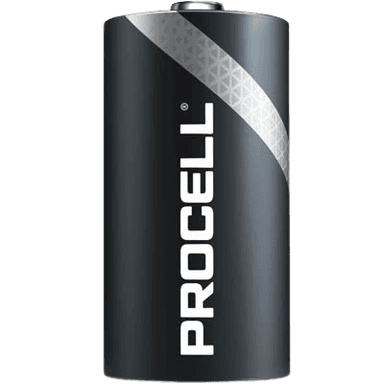
About Wholesale Batteries
Wholesale batteries for restaurants and food service operations power essential safety and operational equipment, from emergency exit signs and smoke detectors to kitchen timers and handheld thermometers. Commercial kitchens, catering operations, and food trucks rely on dependable bulk batteries to maintain compliance with health and safety regulations while keeping daily operations running smoothly. Stocking the right battery types ensures that critical safety devices and food preparation tools remain functional when needed most.
Battery Types for Food Service Applications
Food service facilities typically require alkaline batteries in standard sizes like AA, AAA, 9V, C, and D cells for various equipment and safety devices. Lithium batteries offer longer shelf life and better performance in extreme temperatures, making them ideal for walk-in coolers and freezers where temperature monitoring devices operate continuously. Rechargeable battery options can reduce long-term costs for high-drain devices like wireless thermometers and communication headsets used in busy kitchen environments.
Safety Compliance and Emergency Preparedness
Health codes and fire safety regulations mandate functional smoke detectors, carbon monoxide alarms, and emergency lighting in all food service establishments. Regular battery replacement schedules help ensure these life-safety systems remain operational during inspections and emergencies. Keeping wholesale batteries in stock allows facility managers to quickly replace depleted batteries in compliance-critical equipment without delays.
Choosing the Right Batteries
Consider these factors when selecting bulk batteries for restaurant and food service operations:
- Match Device Requirements: Check equipment manuals to confirm correct battery size, voltage, and chemistry to prevent device malfunction or damage.
- Monitor Expiration Dates: Purchase batteries with distant expiration dates and implement a first-in-first-out inventory system to maximize shelf life.
- Create a Replacement Schedule: Establish regular testing intervals for safety devices and replace batteries proactively rather than waiting for low-battery warnings.
- Store Properly: Keep batteries in cool, dry locations away from heat sources and moisture to preserve performance and prevent premature discharge.
- Stock Common Sizes: Maintain adequate inventory of the most frequently used battery types to avoid emergency purchases and ensure operational continuity.