Cocktail Skirt
A cocktail skirt is a decorative table skirt applied to the perimeter of a cocktail round or highboy table — typically 24"–30" in diameter — to conceal the table base or legs and create a finished presentation at cocktail receptions, pre-function events, and stand-up social functions in hotel catering environments.
A cocktail skirt is a decorative fabric or plastic skirt attached to the edge of a cocktail round table to conceal the base or legs and create a finished, polished presentation for catering events. It is a standard line item in hotel banquet and catering setups for cocktail receptions, pre-function areas, and stand-up social functions.
Where Cocktail Skirts Are Used
The Banquet & Catering department applies cocktail skirts during room setup for cocktail hours, receptions, and pre-function events where guests mingle rather than sit for a plated meal. They appear on food stations, bar fronts, and the small-diameter rounds scattered throughout the event space. The skirt selection — material, color, and pleat style — is specified on the Banquet Event Order (BEO) and coordinated by the catering coordinator or banquet captain to match the event’s overall linen package.
Cocktail skirts are closely related to the broader practice of table skirting, which also applies to head tables, buffet tables, and stage fronts. At serpentine buffet setups and pipe and drape displays, similar skirting techniques and the same supply inventory are used.
Standard Sizing
Cocktail skirts are manufactured in standard heights of 29″ or 30″ — tall enough to reach within approximately 1″ of the floor on a standard-height table without dragging and fraying. The correct skirt length depends on the table’s perimeter: a 13′ skirt fits a standard 24″–30″ cocktail round, while a 48″ round also fits within a 13′ skirt. Larger rounds require 14′, 17′, or 21′ lengths. Always measure the table perimeter before ordering to avoid gaps or excess bunching.
Materials and Pleat Styles
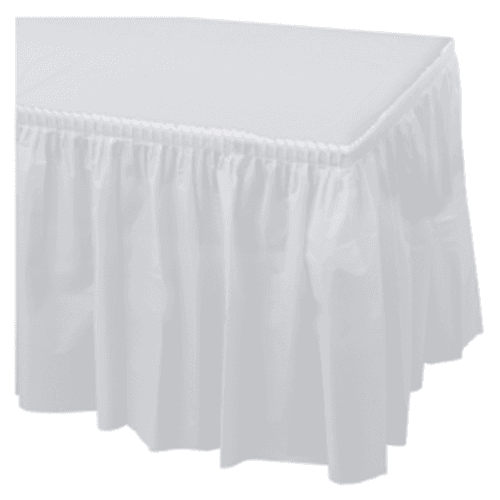
Polyester is the most common material in hotel banquet operations because it is durable, machine washable, and holds its shape across repeated events. Satin and organza options are available for upscale weddings and galas where sheen and drape are part of the aesthetic. Disposable plastic skirts — such as the Hoffmaster 14′ x 29″ plastic table skirt — are a practical choice for outdoor events, casual receptions, or high-volume off-site catering where linen laundering is not feasible.
Pleat style affects the visual tone of the setup. Box pleat and continuous pleat styles produce a crisp, tailored look appropriate for formal hotel banquet and corporate events. Shirred or gathered pleats create a softer, more romantic silhouette suited to weddings and social receptions.
Attachment Methods
The Velcro clip system is the preferred attachment method in high-volume hotel banquet operations. Clips snap onto the table edge approximately every 12 inches, and the skirt’s Velcro strip adheres to them for a clean, secure hold. This system allows banquet staff to install and remove skirts quickly during room turnovers — a critical advantage when the same space is reset multiple times in a day. Adhesive strip systems are an alternative but are less reusable. Some properties are moving toward fitted spandex cocktail table covers, which eliminate the need for separate clips and hardware entirely.
Finishing the Table
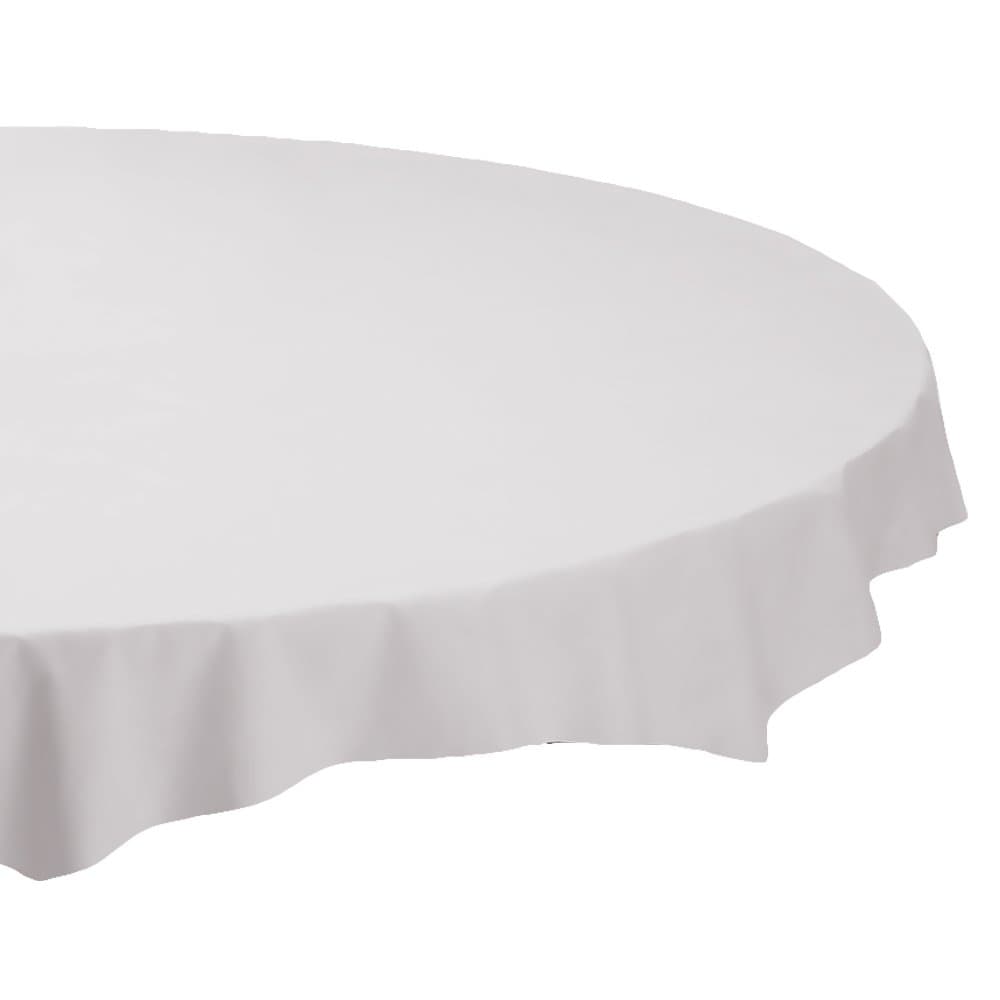
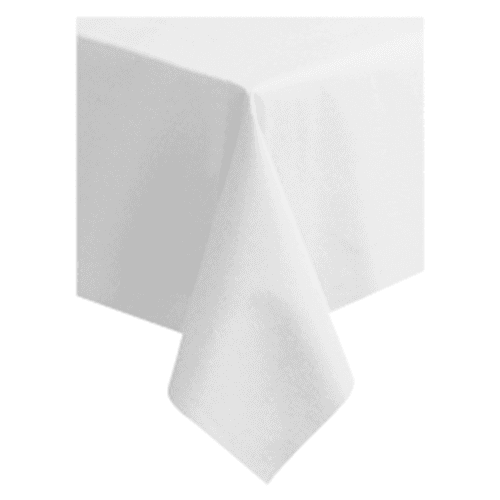
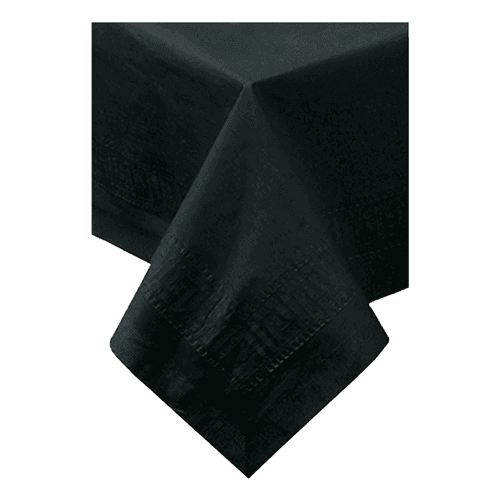
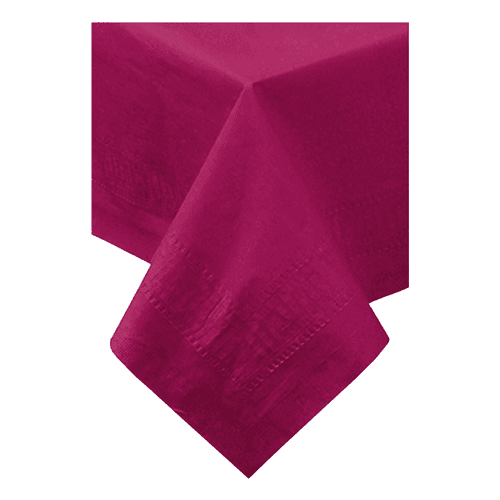
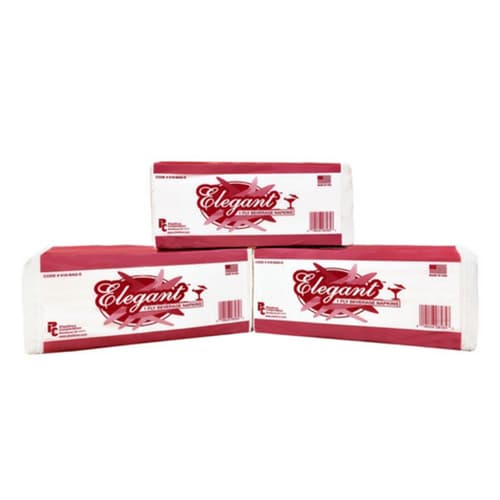
A cocktail skirt covers only the sides of the table — the tabletop is finished separately with a linen topper or overlay. Round table covers like the Hoffmaster 82″ Octy-Round tablecloth pair directly with cocktail skirts to complete the presentation. For a more refined look, the Hoffmaster linen-like white table cover provides an upscale topper option. At cocktail receptions, skirted rounds are always stocked with cocktail napkins — passed with hors d’oeuvres and placed on tables throughout the event. Skirt color is coordinated with the full linen package; black and burgundy covers like the Hoffmaster Black Cellutex cover and Burgundy Cellutex cover are standard choices for formal setups and holiday events.
Inventory and PAR Management
Cocktail skirts are tracked as part of the linen inventory managed under linen PAR levels. Hotels with a high volume of recurring cocktail receptions and break service setups should maintain enough skirts to cover peak event loads plus a backup supply to account for items in the laundry cycle. Disposable skirts can buffer demand during high-volume periods without adding to laundry throughput.
Key Properties
Common Uses
Department & Usage: The Banquet & Catering department uses cocktail skirts during event setup for cocktail hours, receptions, pre-function areas, food stations, and bar fronts. Skirt specifications — including color, material, and pleat style — are listed on the Banquet Event Order (BEO) and selected by the catering coordinator or banquet captain to match the event's linen package. Velcro clip attachment is standard in hotel operations for fast setup and breakdown during room turnovers. Cocktail skirts are also used on break service tables in hotel meeting and conference environments, pulling from the same linen inventory managed under PAR-level tracking.
Sustainability
Reusable polyester cocktail skirts are the more sustainable choice — they are machine washable and built to last hundreds of event cycles. Disposable plastic skirts (such as PE-based products from Hoffmaster) are not compostable or recyclable in most municipal programs and should be reserved for situations where linen service is unavailable, such as outdoor or off-site events. Some properties are transitioning to fitted spandex cocktail table covers as a low-waste alternative to clip-on skirts, eliminating separate hardware and reducing material consumption per setup.
Related Products