Food Station
A food station is a designated serving area within a catering or banquet event where a specific food category or cuisine is displayed and served — either self-serve or staffed by a chef — allowing guests to select and customize their food independently rather than receiving plated table service.
A food station is a dedicated, themed serving area set up within a banquet or catering event space where a specific food category is displayed and served — either self-serve or staffed by a chef — allowing guests to select and customize their food rather than being served at the table. Food stations are a core service model in hotel Food & Beverage (F&B) operations, commonly deployed for weddings, corporate galas, receptions, and conference breaks.
Food Station vs. Buffet: What’s the Difference?
A buffet is a single, linear spread covering multiple courses across one continuous service line. A food station focuses on one food concept or cuisine — a taco bar, pasta station, carving station, or dessert display — positioned at a distinct area of the room. Most multi-station events feature several themed stations distributed across the venue rather than one centralized buffet line.
This layout does more than vary the menu. Spreading stations across an event space actively manages crowd flow, reduces bottlenecks, and encourages guests to move and interact — a built-in social engineering advantage for event planners and catering managers alike.
Types of Food Stations
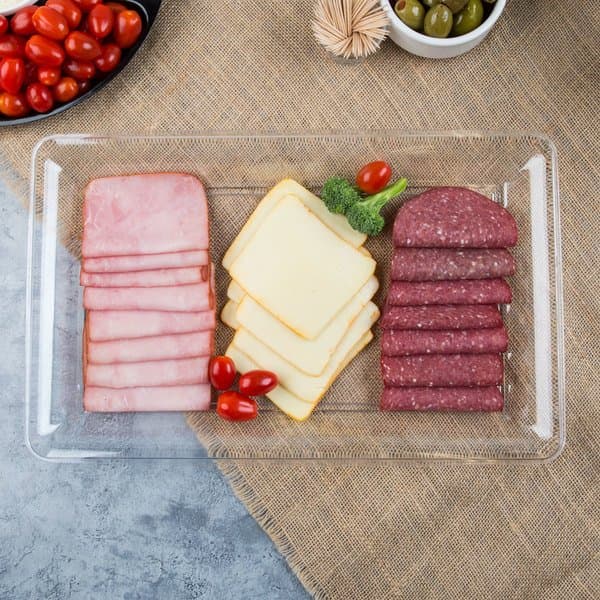
Food stations fall into two primary models: self-serve and staffed. Self-serve stations — cheese and charcuterie boards, salad bars, dessert displays — require minimal labor but demand consistent monitoring for replenishment and food safety compliance. Staffed stations, often called action stations, position a chef at the station to prepare or finish food to order in front of guests. Pasta stations, sushi rolling bars, omelet stations, and carving stations are common examples. Action stations command higher per-person pricing on catering BEOs and are a strong upsell opportunity for hotel catering sales teams.
Food Safety Standards at Food Stations
Hot foods at stations must be held at or above 140°F; cold foods at or below 41°F, per FDA Food Code time-temperature control for safety (TCS) guidelines. Food that enters the temperature danger zone (41°F–135°F) must not remain there for more than 2 cumulative hours.
Chafing dishes and steam tables are the standard equipment for hot holding at heated stations. Cold stations rely on ice beds, refrigerated inserts, or chilled platters to maintain cold holding compliance. Banquet staff should use a probe thermometer to verify temperatures throughout service and document readings in a temperature log as part of the property’s HACCP food safety plan. ServSafe-certified staff are the standard for catering teams operating and maintaining food stations.
Station Placement and Guest Flow
Strategic placement of food stations across an event space is critical to preventing congestion. Industry practice recommends opening a second identical station once any single self-serve point exceeds 80 guests. Spacing stations in separate areas of the room — rather than clustering them — distributes traffic and shortens wait times without requiring additional menu investment.
Serpentine tables and banquet rounds are common furniture bases for food stations, depending on whether the layout calls for a curved service line or an island-style display. Station tables are typically finished with table skirting for a polished presentation, and sneeze guards are required at self-serve stations under most local health department regulations.
Presentation and Setup
Visual presentation at food stations directly influences guest perception and is a key differentiator in hotel catering sales. Buffet risers create height variation across the station surface, drawing the eye and maximizing display area. Serving vessel selection — platters, bowls, trays — should match the station’s theme and scale. Plate presentation standards apply to stations just as they do to plated service: garnishing, signage, and prop styling all contribute to the overall guest experience.
Clear signage for allergens and dietary attributes (vegan, vegetarian, gluten-free, halal, kosher, nut-free) is required at every station as both an operational best practice and, in many jurisdictions, a legal requirement under local health codes. See allergen awareness for full labeling guidance.
Serviceware and Supply Essentials
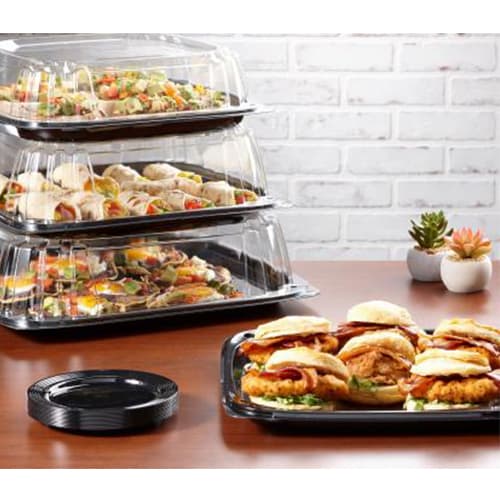
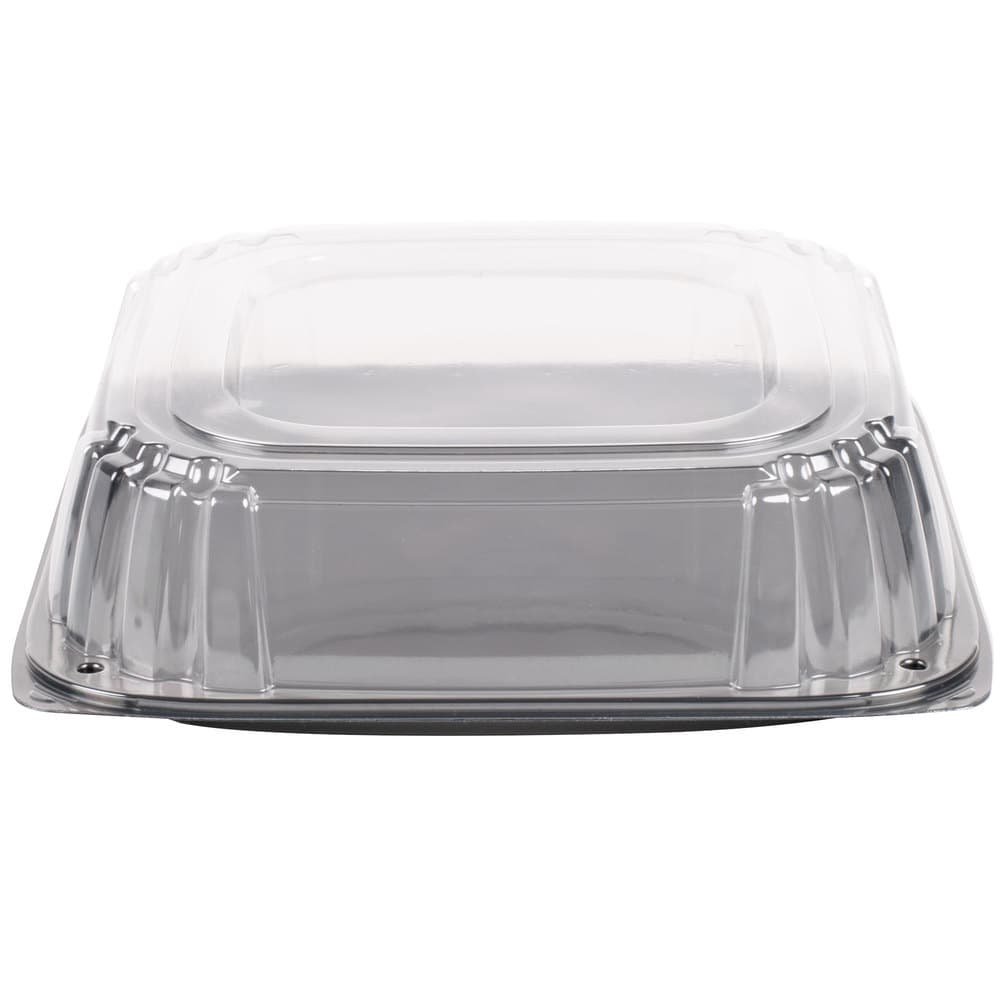
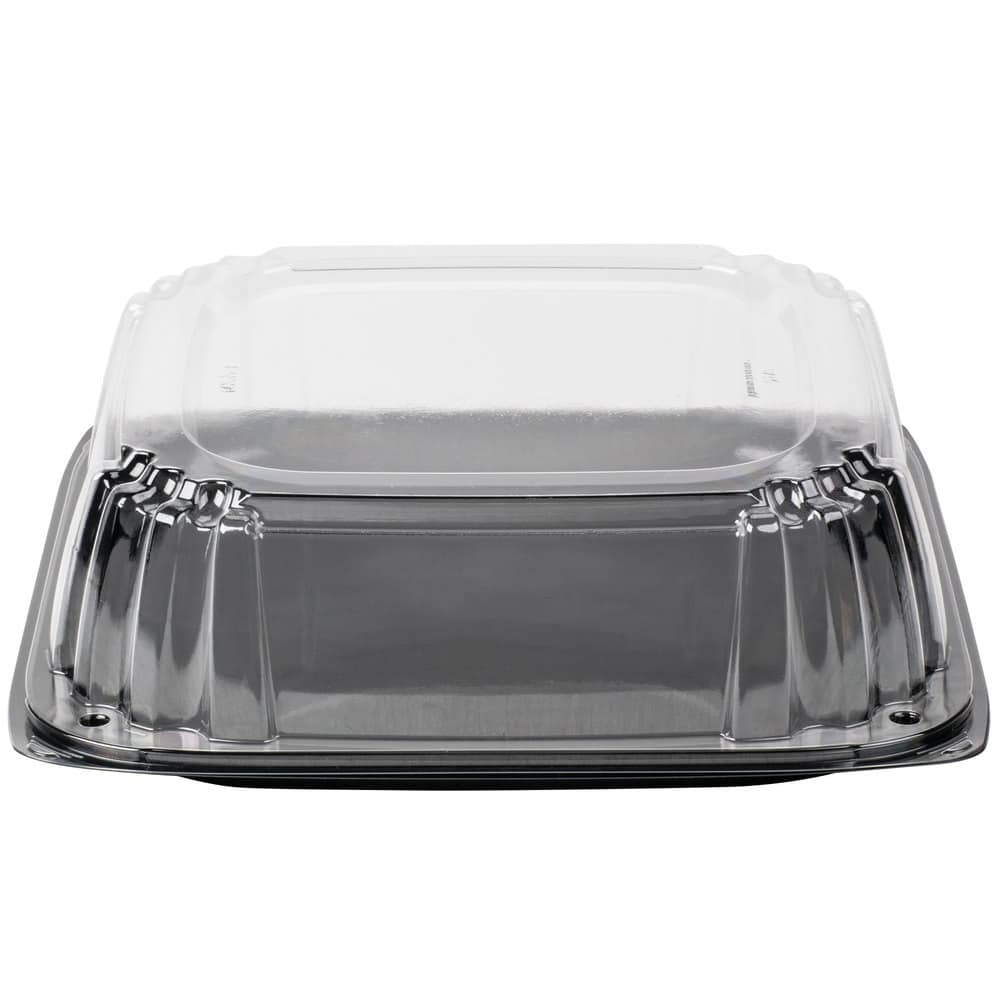
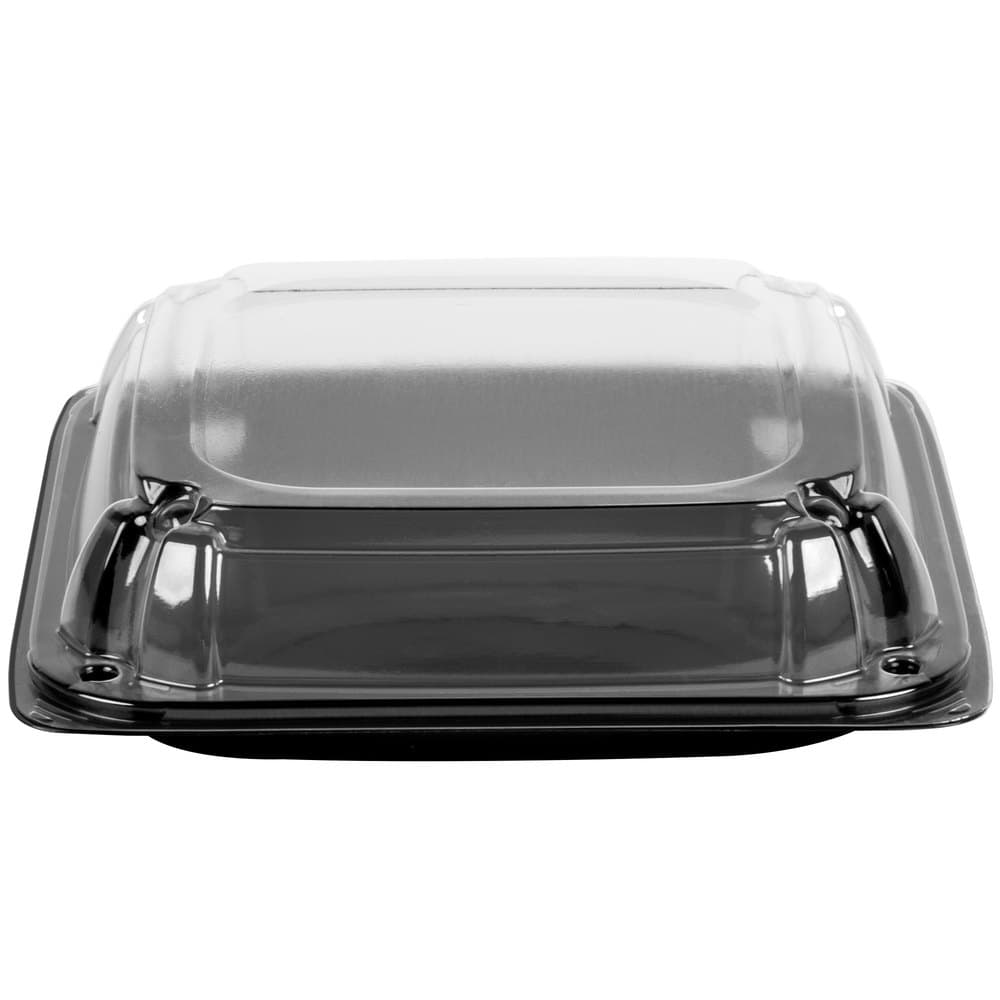
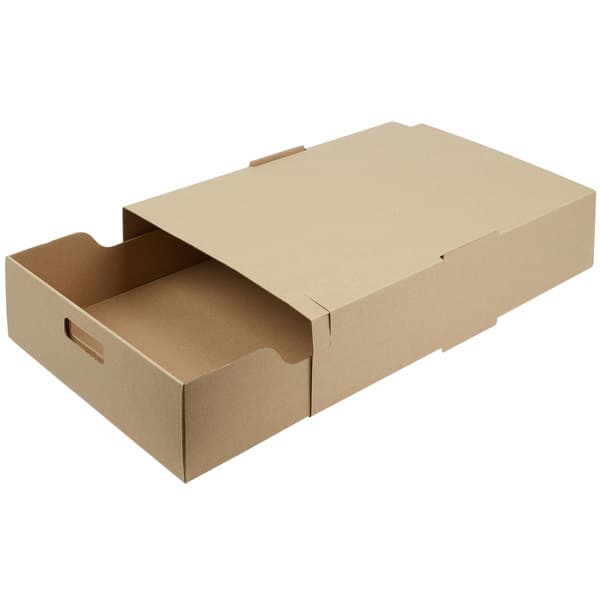
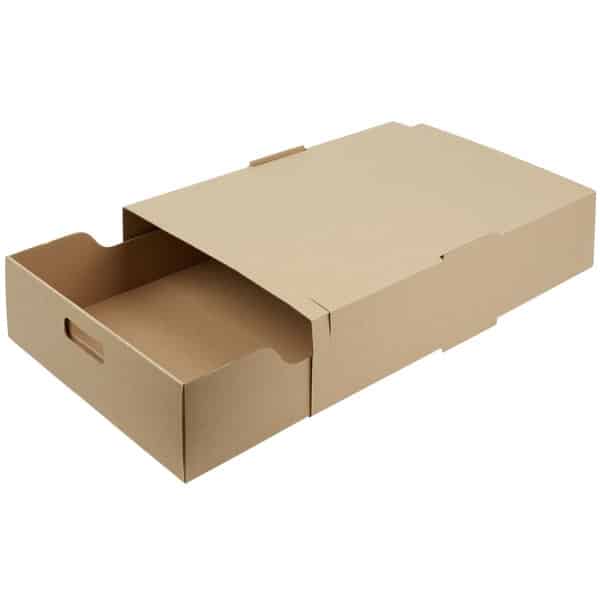
Food station setup relies on a core set of supplies: serving catering platters and catering trays for display, high-dome lids for covered transport from kitchen to banquet floor, bowls for bulk items like salads or grains, and catering boxes for organized, sanitary replenishment during service. Transport containers — including Cambro transport units and insulated carriers — keep food at safe temperatures between the commissary kitchen and the station. Preventing cross-contamination during both transport and active service is a critical responsibility for catering staff at every station type.
Sustainability at Food Stations
Self-serve food stations inherently reduce food waste relative to pre-plated service — guests take only what they want, which aligns with the growing sustainability focus in hotel catering. Hotels are replacing traditional PET and single-use plastic serviceware with compostable alternatives such as bagasse, molded fiber, and kraft paper trays and bowls. Look for BPI Certified Compostable products (ASTM D6400 or ASTM D6868 compliant) to validate compostability claims and support participation in on-site composting programs. For more, see our guides on hosting an eco-friendly event and eliminating single-use plastics on the job.
Common Uses
Department & Usage: Food stations are used by hotel Food & Beverage (F&B) and banquet/catering departments for weddings, corporate events, galas, receptions, and conference breaks. Catering managers specify station types and layouts in Banquet Event Orders (BEOs); banquet staff execute setup, replenishment, and temperature monitoring throughout service. Hotel catering sales teams price food stations on a per-person basis, with chef-attended action stations carrying a premium over self-serve displays. Event managers use multi-station layouts to manage guest flow, reduce bottlenecks, and enhance the overall dining experience across large event spaces.
Sustainability
Self-serve food stations reduce food waste compared to pre-plated service because guests self-select portion sizes. Hotels are replacing single-use PET plastic serviceware at stations with compostable alternatives — including bagasse (sugarcane fiber), molded fiber, and kraft paper trays and bowls — to reduce landfill impact from catering events. Choosing BPI Certified Compostable serving vessels (ASTM D6400 or D6868 compliant) supports participation in on-site composting programs. Locally sourced, seasonal station menus reduce carbon footprint and align with Farm-to-Table event trends increasingly requested by corporate and social catering clients. For practical guidance, see 6 Ways to Ditch Single-Use Plastics on the Job and 5 Tips to Host an Eco-Friendly Party.
Related Products