Sneeze Guard
A sneeze guard is a transparent acrylic or glass barrier positioned above food displays to protect food from respiratory droplets expelled when customers cough, sneeze, or speak.
A sneeze guard is an acrylic or glass screen positioned above food displays to protect food from respiratory droplets expelled when customers cough, sneeze, or speak. Required by law for self-service food bars, buffets, and many employee-served areas, these transparent barriers form a physical shield between the customer’s mouth zone and displayed food.
History and Invention
Johnny Garneau invented the sneeze guard in 1958 for his American Style Smorgasbord restaurant in Monroeville, Pennsylvania. A self-described germaphobe, Garneau designed the original guard as a curved glass dome supported by ornamental ironwork built directly into buffet tables.
He filed his patent on March 10, 1959, calling it a “Food Service Table.” While early versions appeared in schools and hospital cafeterias after WWII, widespread adoption didn’t occur until the 1970s. The FDA mandated sneeze guards for self-service dining establishments by the 1960s, and they’re now standard equipment in virtually every buffet operation.
Types and Design Requirements
Full-service (pass-over) sneeze guards protect food in employee-served areas like deli counters and cafeteria lines. NSF/ANSI Standard 2 requires the sum of horizontal and vertical protection planes to equal at least 24 inches. These guards typically have three protected sides plus a top shelf.
Self-service sneeze guards cover buffets and salad bars where customers serve themselves. They must intercept a direct line between the average customer’s mouth—54 to 68 inches from the floor—and the displayed food. The human sneeze can travel up to 100 mph and spread over 100,000 respiratory droplets up to 25 feet, making proper positioning critical.
Materials and Construction
Most sneeze guards use tempered glass, acrylic (Plexiglas), or polycarbonate. Tempered glass costs more but offers superior durability and scratch resistance. Acrylic provides a lightweight, cost-effective alternative that’s easier to install and replace, though it scratches more easily.
All materials must conform to NSF/ANSI Standard 51 for food contact surfaces. The guard’s design must allow easy cleaning and prevent condensation buildup, which can drip onto food.
Regulatory Requirements
State and national health regulations mandate sneeze guards for restaurants with buffets, hospital and school cafeterias, portable food carts, and self-serve displays. Specific requirements vary by jurisdiction, but all follow FDA Model Food Service Sanitation Ordinances and NSF certification standards.
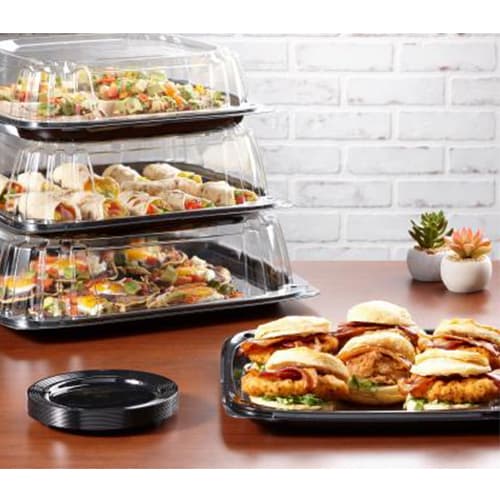
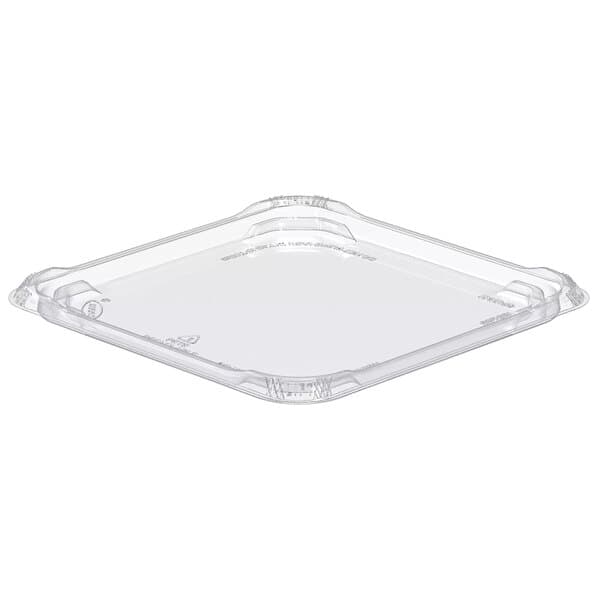
Health inspectors check guard positioning, cleanliness, and structural integrity during routine inspections. Operators must maintain guards in good condition—replacing cracked or cloudy panels immediately. When paired with proper equipment like catering supplies that include protective lids, sneeze guards form part of a comprehensive food safety system that prevents cross-contamination.
Installation and Maintenance
Position sneeze guards to cover all exposed food without blocking customer access or visibility. For steam table and chafing dish setups, guards must extend beyond the serving area edges. Some roll-top chafers serve as built-in protection but may not meet code requirements alone.
Clean guards daily with approved sanitizing solutions. Replace fogged or scratched panels—they reduce food visibility and suggest poor maintenance. Keep guard supports and hardware tight to prevent wobbling or collapse during service.
Common Uses
Food service operations use sneeze guards at buffet lines, salad bars, deli counters, cafeteria serving lines, and hot food displays. Full-service guards appear where employees serve customers across a counter. Self-service guards protect food where customers help themselves. Catering operations use portable sneeze guards for off-site events. Some operators use high dome catering lids to provide similar protection for individual platters when permanent guards aren't practical.