Serpentine Table
A serpentine table is a curved banquet table with a convex outer edge and concave inner edge that chains together with other units to form S-curves, wave shapes, or full circles — primarily used for buffet lines, food displays, and service stations in hotel and event settings.
A serpentine table is a curved banquet table — typically C-shaped or semi-circular — designed to chain together with other units to create flowing, snake-like, or circular configurations for buffet lines, food displays, and reception setups. Its defining feature is a convex outer edge and a concave inner edge, which distinguishes it from flat-backed half-round tables and standard rectangular banquet tables.
Standard Sizes and Configurations
Commercial serpentine tables are typically 30 inches wide, with exterior diameters ranging from 8 to 12 feet and interior diameters of 3 to 5 feet depending on the curve radius. Individual unit lengths run approximately 5.5 to 7.25 feet along the outer edge.
Two units placed in alternating directions create an S-curve or wave layout. Four units joined end-to-end produce a full circular arrangement with roughly a 10-foot exterior diameter and a 5-foot interior diameter — a popular format for center-of-room display islands and wedding sweetheart table setups.
Construction and Weight Capacity
Commercial-grade serpentine tables are typically built with 3/4-inch birch plywood tops, aluminum C-channel edging, and powder-coated steel folding legs with a polyurethane-sealed finish for moisture resistance. This construction supports static load ratings up to 1,000 lbs evenly distributed, making them reliable for heavy food and beverage setups.
Folding-leg designs allow the tables to be stored flat and stacked — a critical feature for hotel banquet departments managing large equipment inventories. Padded-top variants are available for upscale properties where noise reduction from silverware and dinnerware matters for guest experience. Some operators choose ABS plastic-top models for their waterproof, impact-resistant surface that requires no refinishing over time.
Primary Uses in Hotel and Event Settings
Serpentine tables are a standard fixture in hotel banquet departments, used for buffet lines, bar service stations, dessert stations, cocktail hour displays, and beverage setups. Their curved shape naturally guides guest circulation around the table, which improves traffic flow at high-volume events compared to straight rectangular runs.
For food service, chafing dishes loaded with hotel pans are placed along the table surface to hold hot items at safe serving temperatures. Sneeze guards are commonly mounted above serpentine buffet tables in open-service formats to meet food safety and hygiene standards. Cold displays use decorative platters, risers, and ice beds arranged along the curved surface to maximize visual impact.
Banquet teams treat each serpentine table configuration as a station within the room layout, applying mise en place principles to ensure all serviceware, linens, labels, and food vessels are fully in place before guests arrive.
Banquet Operations and BEO Specifications
Serpentine tables are inventoried as event furniture assets in the Banquet and Catering department. They are specified by configuration in Banquet Event Orders (BEOs) alongside floor plan diagrams that show placement, spacing, and aisle clearance. ADA guidelines require a minimum 36-inch clear aisle width around event furniture, which banquet managers must account for when positioning serpentine configurations in tighter ballroom layouts.
After each event, banquet housepersons handle the breakdown of serpentine setups — removing linens, clearing serviceware, folding legs, and returning tables to storage. Efficient breakdown procedures directly affect room turnover time between consecutive events.
Linens and Table Covers
Standard rectangular tablecloths do not drape properly over curved serpentine surfaces. Hotels use specialty curved tablecloths — pleated floor-length fitted covers or custom-sewn serpentine linens — to achieve a clean, professional presentation. For high-turnover buffet events, disposable table covers offer a practical alternative that reduces linen laundering costs between setups.
Serviceware for Serpentine Buffet Tables
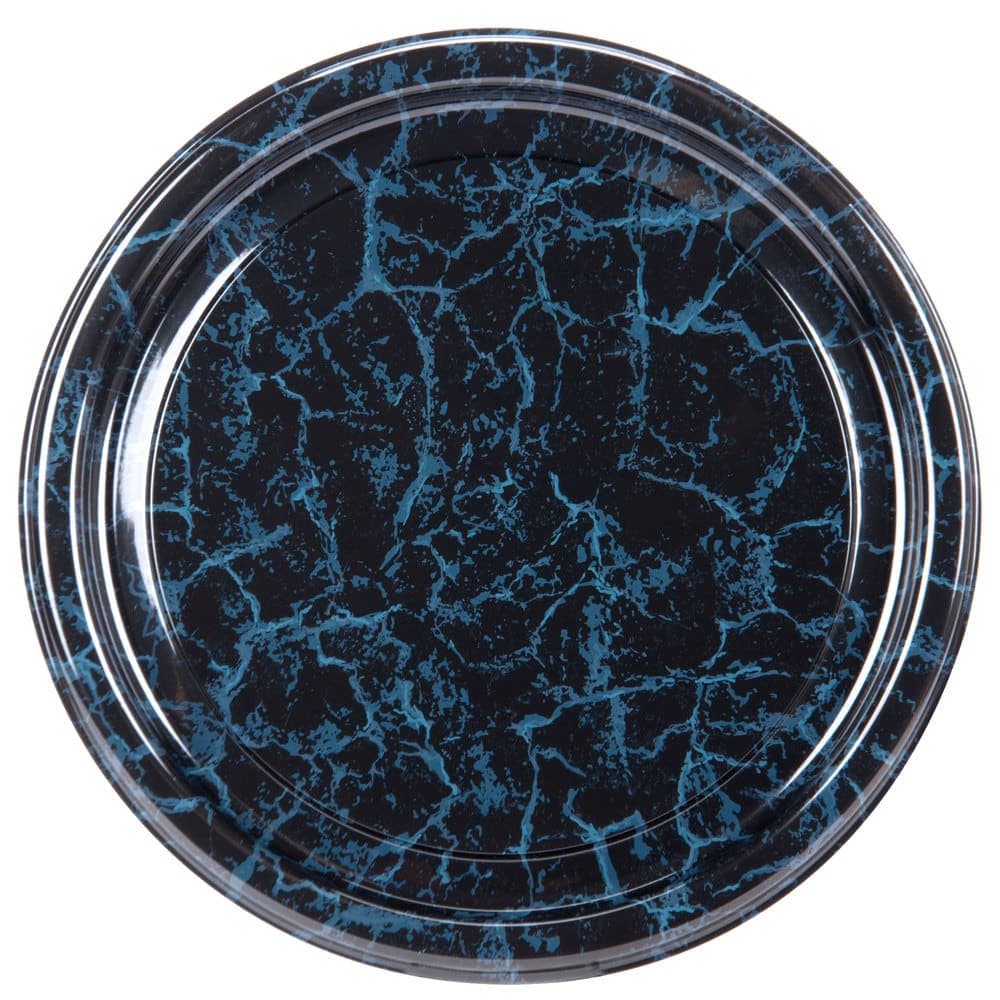
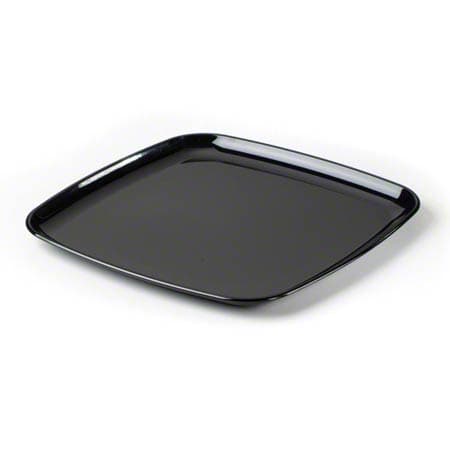
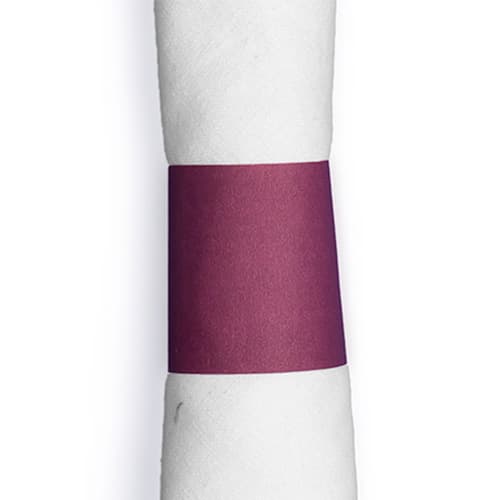
A well-stocked serpentine buffet table typically combines hot-holding equipment with organized self-service elements. Full-size and medium-depth steam table pans fit standard chafing dish frames placed along the table surface. Large decorative platters handle cold presentations — charcuterie, hors d’oeuvres, and composed cold salads. Banded napkin stacks keep self-service napkins sanitary and organized at guest-facing ends of the table.
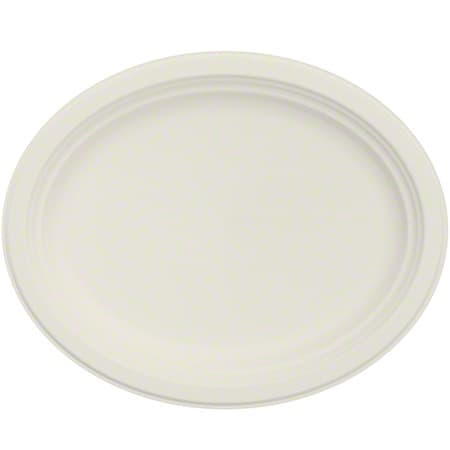
For events with sustainability commitments, fiber plates and compostable serviceware at serpentine buffet stations align with AHLA’s Responsible Stay framework and reduce single-use plastic at catered events.
Key Properties
Common Uses
Department & Usage: Serpentine tables are managed by the Banquet and Catering department and appear in Banquet Event Orders (BEOs) as inventoried event furniture assets. Banquet setup crews position them according to floor plan layouts, and banquet housepersons handle assembly and breakdown around each event. Common uses include buffet service lines, bar and beverage stations, dessert displays, cocktail hour cold food presentations, and sweetheart or head table configurations at weddings and galas. Their curved shape is specifically chosen to guide guest traffic flow around high-volume food stations and to create visually dynamic room layouts that complement venue architecture.
Sustainability
Durable commercial serpentine tables — built with plywood cores, aluminum edging, and powder-coated steel frames — have a long service life that reduces replacement frequency and associated waste in hotel banquet operations. ABS plastic-top variants require no chemical refinishing over time, lowering the ongoing maintenance footprint compared to wood-top models.
Using reusable serpentine table setups in place of single-use display structures supports waste reduction goals aligned with AHLA's Responsible Stay sustainability framework. Hotels can extend this commitment to the buffet surface itself by pairing serpentine table setups with compostable fiber plates and plant-based serviceware, reducing single-use plastic at catered events.
Related Products