Buffet Riser
A buffet riser is a platform, stand, or elevated surface placed on a buffet table to create varying height levels for food displays, adding vertical dimension to catering presentations at hotel banquets, weddings, corporate events, and restaurant buffet operations.
A buffet riser is a platform, stand, or elevated surface placed on a buffet table to create varying height levels for food displays. By adding vertical dimension to a catering layout, risers make presentations more visually dynamic, improve guest sightlines, and allow more dishes to be showcased within the same table footprint.
What Buffet Risers Do for Hotel Events
Risers solve a core presentation challenge: a flat buffet table looks monotonous and makes it harder for guests to see available dishes. Introducing heights of 4″, 8″, and 12″+ creates a tiered, layered look that draws attention to featured items and guides guests through the spread naturally.
Beyond aesthetics, risers maximize usable table space. Elevating some platters frees up surface area beneath them for additional dishes, signage, or decorative elements — a practical advantage when table real estate is limited at high-count banquet events.
Materials and Form Factors
Buffet risers are available in stainless steel, bamboo, acrylic (including cast acrylic/Lucite), melamine, porcelain, and wood. Material selection should match event formality — rustic wood suits casual weddings and farm-to-table concepts, while sleek metal or acrylic fits upscale corporate galas and formal banquets.
Form factors include single-tier pedestals, cube/block risers, multi-tier cascading stands, and modular platform systems. Commercial-grade acrylic cube risers are commonly constructed from 5mm cast acrylic and rated to hold 15+ pounds per cube, making them suitable for full-size catering pans and chafing dishes. Professional catering cube risers typically range from 8 to 16+ inches in height.
For off-premise and hotel catering, nesting or stackable designs are the practical choice. They load efficiently into transport vehicles, store compactly in banquet storage, and break down faster after events.
How Buffet Risers Fit Into Banquet Setup
Riser placement is part of the broader mise en place process for banquet events. The standard best-practice flow positions plates first, then salads, proteins, sides, and desserts — with riser height used strategically to spotlight centerpiece dishes and prevent a visually flat layout.
Risers work alongside chafing dishes, hotel pans, serving platters, and sneeze guards as part of a complete buffet station setup. They are not heat-retention equipment — hot foods displayed on risers must still be served from chafing dishes or steam tables that maintain proper holding temperatures.
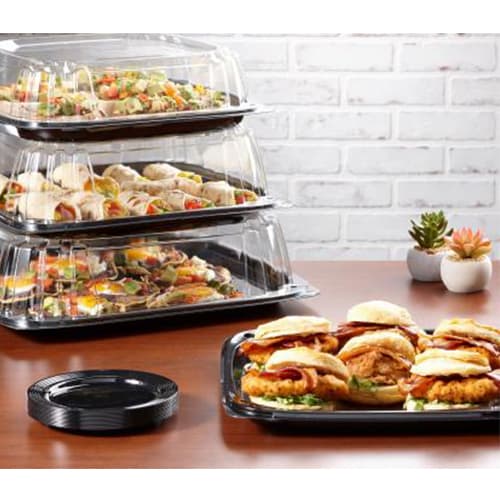
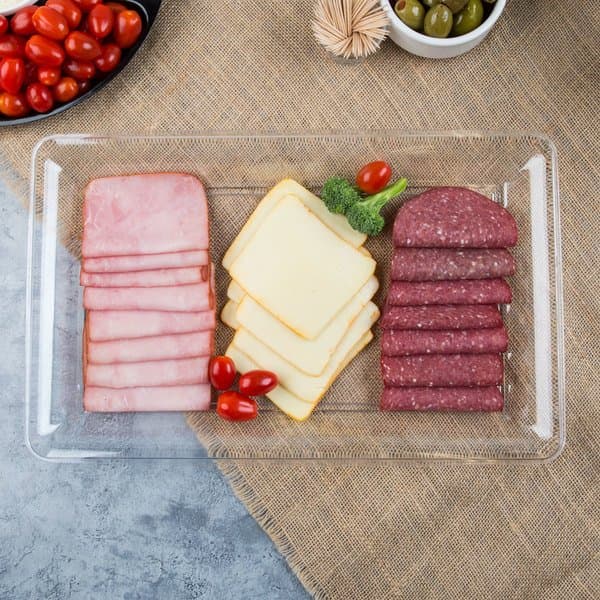
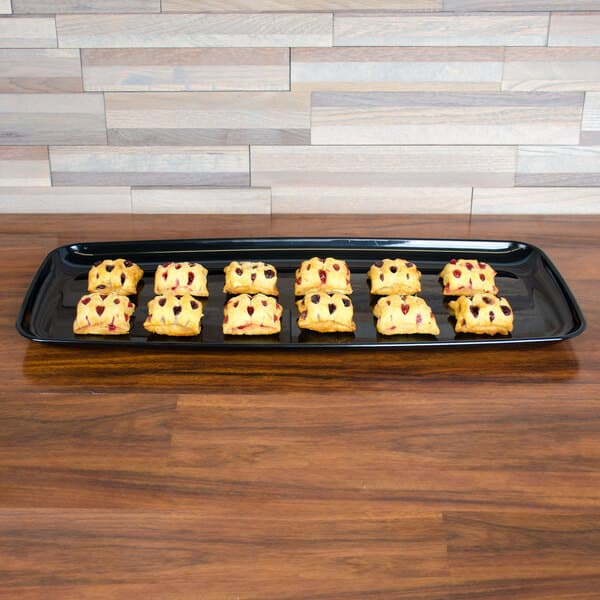
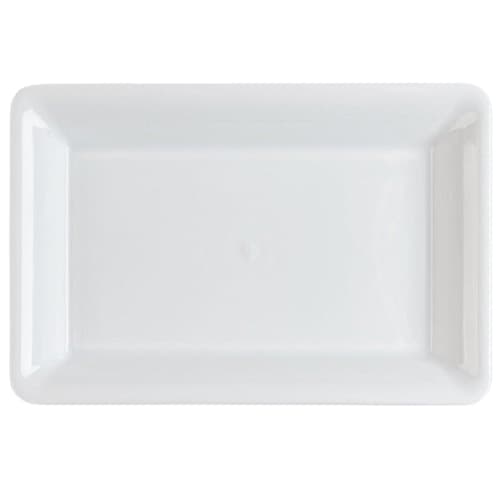
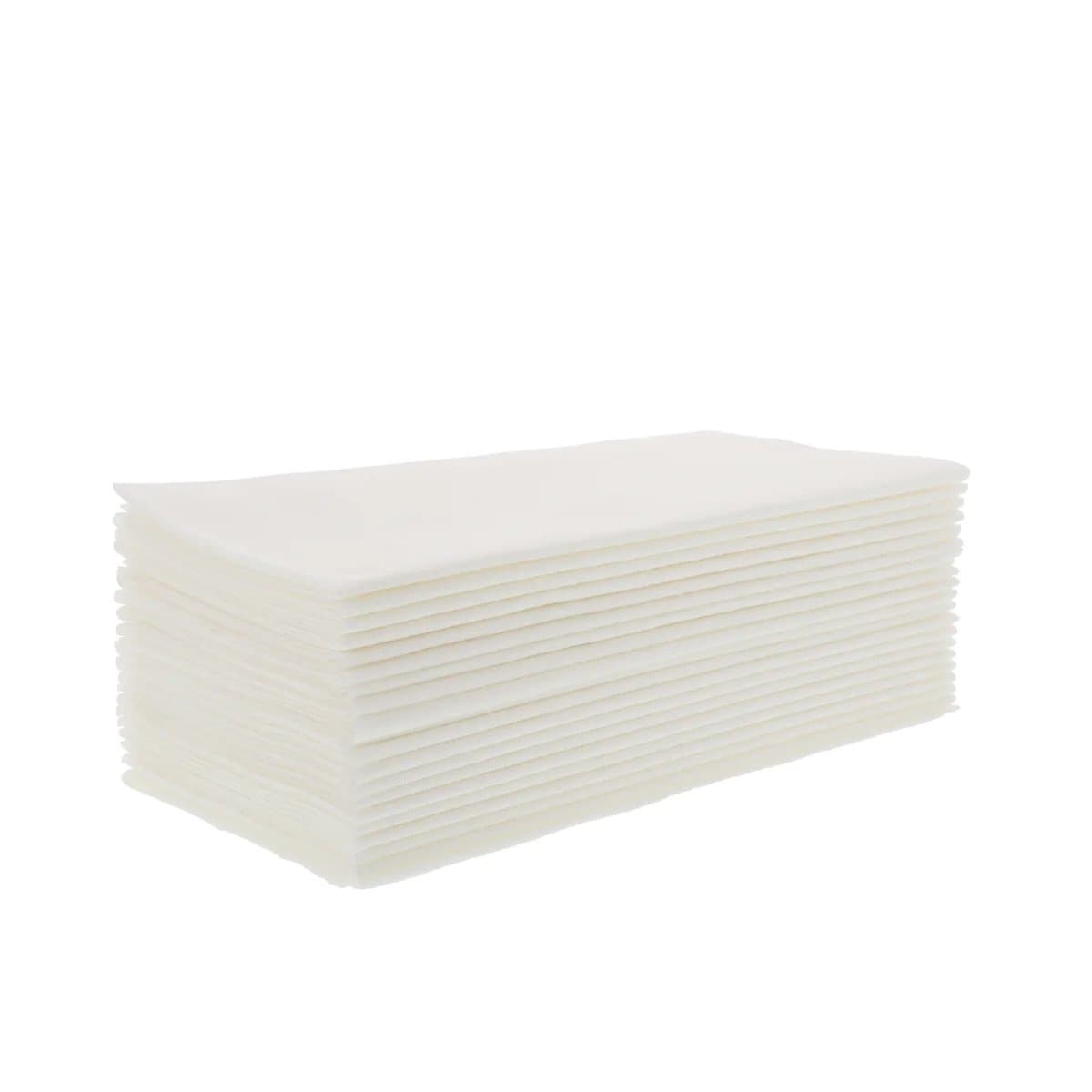
Airlaid napkins are often draped over riser surfaces before platters are placed, adding a polished finish and providing a clean barrier between the display surface and food contact areas. Catering trays and platters — including full-size rectangular trays and elongated display platters — are the most common items placed directly on riser surfaces at hotel buffet events.
Food Safety Compliance
Buffet risers are not food contact surfaces, but the foods displayed on them must comply with FDA Food Code time-temperature requirements: hot foods at 135°F or above, cold foods at 41°F or below. Risers do not affect holding temperature — that responsibility stays with the chafing dish or cold display equipment underneath or beside them.
Sneeze guards are frequently required by local health departments when food is displayed on raised buffet surfaces at public-facing events. Banquet managers should confirm local health code requirements during event planning. For cold holding and time-temperature control compliance, the riser setup must be planned in coordination with the food service equipment it surrounds — not treated as a standalone display decision.
Department Responsibility and BEO Planning
The Banquet & Events department, operating under the Food & Beverage division, handles riser setup and breakdown as standard side work before and after events. The Catering Sales Manager or Catering Manager typically specifies riser style, height configuration, and layout during Banquet Event Order (BEO) planning to ensure the display aligns with the event’s theme and decor.
For properties seeking AAA Diamond or Forbes Travel Guide ratings, buffet display quality — including riser use and plate presentation — is part of the service assessment. Investing in a versatile set of risers in multiple heights and materials gives banquet teams the flexibility to adapt setups across event types without sourcing new equipment each time.
Key Properties
Common Uses
Department & Usage: Buffet risers are set up and broken down by the Banquet & Events department (under Food & Beverage) as part of standard pre-event side work. The Catering Sales Manager or Catering Manager specifies riser style and configuration during BEO planning. Risers are used across hotel weddings, corporate galas, breakfast/lunch/dinner buffets, and themed events to add height variation to food displays, highlight centerpiece dishes, and maximize table surface utilization. They work in conjunction with chafing dishes, hotel pans, serving platters, sneeze guards, and catering trays as part of a complete buffet station setup.
Sustainability
Reusable buffet risers made from stainless steel, bamboo, or acrylic offer long service life across hundreds of events, eliminating the need for single-use display materials. Bamboo risers are a popular sustainable option — renewable, biodegradable, and visually appropriate for eco-conscious or nature-themed events.
Modular and nesting riser systems reduce the total equipment volume transported to off-site events, lowering the carbon footprint associated with catering logistics. Hotels pursuing LEED certification or green event standards such as APEX/ASTM Environmentally Sustainable Event Standards may prioritize durable, reusable riser systems as part of their sustainable event operations program.
Related Products