Buffet Service
Buffet service is a dining arrangement where food is displayed on tables or counters and guests serve themselves or are served by staff at specific stations, offering a self-paced, self-select format used widely in hotel F&B, banquet, and catering operations.
Buffet service is a dining format where prepared dishes are displayed on tables or counters and guests serve themselves or are assisted by staff at dedicated stations. It is a core offering of hotel Food & Beverage (F&B) and banquet departments, used across breakfast, lunch, dinner, and catered events. F&B operations — heavily anchored by buffet formats — can contribute 20–30% of a hotel’s total revenue.
Types of Buffet Service
Hotels operate three primary buffet variants: self-service (guests plate their own food), assisted or served buffet (staff portion or carve at specific stations), and plated buffet (pre-plated dishes set on the line for guest selection). A fourth premium format — the action station — adds a live chef who prepares food to order at the station, such as omelets, pasta, or carving presentations.
Common hotel buffet formats include breakfast buffets, lunch buffets, themed or international buffets, seafood buffets, brunch buffets, and full banquet buffets. Each format adjusts portion planning, staffing levels, and station configuration based on meal type, event formality, and expected guest volume.
Buffet Layout and Station Setup
A well-designed buffet guides guests through the line naturally: plates and utensils first, then salads and appetizers, followed by main courses, and desserts last. Beverages are typically placed on a separate table to reduce congestion at the main line.
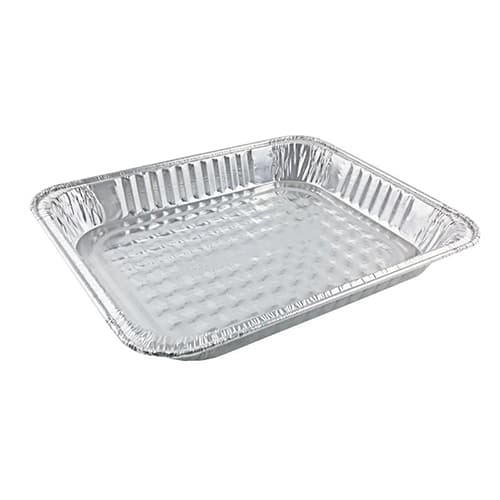
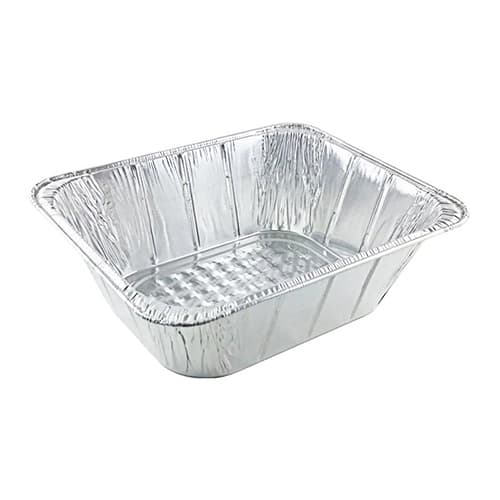
Hot entrees are held in chafing dishes using hotel pans — full-size or fractional — positioned in a water bath or over direct heat. Soups and sauces are held in tureens or via a bain-marie setup to maintain safe temperatures without scorching. Buffet risers add visual height variation, improving both aesthetics and guest access across the display.
Buffet layouts can be configured as straight line, hollow square, or center-island depending on room size, guest flow, and event type. Serpentine tables create curved, flowing configurations that improve traffic at upscale events. Minimum 36-inch aisles are required for guest circulation, with 48-inch spacing recommended at high-demand stations. ADA accessibility requirements and local fire code clearances must be factored into all layout decisions.
Table presentation is finished with table skirting and linen drapes to create a polished look standard in hotel catering. Stanchions manage guest queuing and direct traffic flow at busy stations.
Food Safety Requirements
Hot foods must be held at 140°F (60°C) or above at all times; cold items must remain at 40°F (4°C) or below. Food that enters the temperature danger zone (40°F–140°F) must not remain there for more than two hours total — after which it must be discarded, not reheated and returned to the line.
Staff must use a calibrated probe thermometer to check and record temperatures at every station every two hours. These readings are documented in a temperature log for health department inspections. Hot holding and cold holding procedures must align with the hotel’s written food safety plan and HACCP critical control point documentation.
A sneeze guard is required by most health codes at self-service buffet stations to protect open food displays from contamination. Dedicated serving utensils for each dish prevent cross-contamination — a key food safety risk in open-display buffet formats. Allergen awareness is critical at buffets where multiple dishes share a display and cross-contact risks must be communicated to guests.
Most hotel F&B departments require at least one ServSafe-certified manager on-site during all buffet service periods.
Staffing and Operations
Core buffet staffing roles include buffet servers (maintaining station cleanliness, replenishing food, assisting guests), food runners (coordinating replenishment between the kitchen and the line), and a floor manager or banquet captain overseeing overall service flow. Assisted buffets require carving chefs or station chefs at live stations.
Back-of-house prep follows mise en place discipline — all station elements including pans, utensils, signage, linens, chafers, and food must be fully staged before service begins. Batch cooking staggers production so fresh food replenishes the line throughout service rather than pre-loading all food at once. FIFO rotation applies when restocking stations to ensure older batches are served before newer ones. Hot food in transit from the kitchen travels in a hot box or insulated carrier to maintain safe holding temperatures before transfer to chafers.
Food Cost and Waste Management
Buffet service reduces the need for large front-of-house waitstaff, making it more cost-effective than plated service for large-group events. However, open-access dining creates food cost pressure through guest over-portioning and difficulty forecasting consumption accurately.
Staggered batch cooking and on-demand replenishment are the primary tools for limiting overproduction. A waste log documents leftover quantities at service end, providing data to refine portion planning for future events. Hotels increasingly partner with food rescue organizations to redistribute surplus buffet food rather than discarding it.
Sustainability Considerations
Electric induction warmers and electric chafers reduce chemical waste and improve air quality in enclosed banquet spaces compared to single-use fuel canisters. For high-volume catering events, biodegradable or compostable serviceware — including bagasse, molded fiber, or PLA-based plates — reduces landfill impact at catering supply stations. Locally sourced and seasonal buffet menus reduce food miles and align with growing guest demand for sustainable dining. Learn more in our guide on how biodegradable catering supplies can boost sustainability and customer appeal.
Common Uses
Department & Usage: Buffet service is operated by the hotel Food & Beverage (F&B) and banquet departments. It is used for breakfast service in full-service hotels, banquet and catering events of all sizes, themed dinner buffets, and brunch formats. Event managers and banquet captains specify the buffet type — self-service, assisted, or action station — in the BEO (Banquet Event Order), and the F&B team executes setup, staffing, temperature compliance, and replenishment throughout service. Purchasing managers source chafing dishes, steam table pans, sneeze guards, serving utensils, and catering disposables to support recurring buffet programs.
Sustainability
Buffet service generates significant food waste due to guest over-portioning and the challenge of forecasting consumption. Batch cooking and staggered replenishment — rather than pre-loading all food at service start — are the most effective operational strategies for reducing overproduction. Switching from single-use chafing fuel canisters to electric induction warmers or electric chafers eliminates chemical waste and improves air quality in enclosed banquet rooms. Biodegradable and compostable serviceware (bagasse, molded fiber, or PLA-based plates and trays) at high-volume buffet stations reduces landfill impact. Locally sourced and seasonal menus reduce food miles and support regional suppliers. Partnering with food rescue organizations to redistribute surplus food at event end is an emerging best practice in hotel catering sustainability. Read more: How Fiber Bowls Are Revolutionizing Takeout and Catering Packaging.