Break Service
Break Service is a scheduled catering service provided to conference or meeting attendees during planned intermissions in their programming, typically consisting of hot and cold beverages and light food items, arranged through the hotel's Banquet & Catering department and governed by a Banquet Event Order (BEO).
Break Service is a scheduled catering setup provided to conference or meeting attendees during planned intermissions in their programming. It is arranged through the hotel’s Banquet & Catering department, detailed on a Banquet Event Order (BEO), and typically includes hot beverages, cold beverages, and light food items designed to refresh and re-energize guests between sessions.
What Break Service Includes
A standard Break Service covers hot beverages — coffee, tea, and hot water — alongside cold options like water, juice, and soft drinks. Light food items such as pastries, muffins, cookies, fresh fruit, and granola bars round out the typical setup.
Premium or themed breaks go further. Hotels increasingly offer yogurt parfait stations, smoothie bars, or regionally inspired snack spreads as upsell opportunities that differentiate the property and elevate the attendee experience.
Types of Break Service
Break Services are categorized by timing: Morning Break, Afternoon Break, or simply Refreshment Break. Each is scheduled around the event agenda and typically runs 15–30 minutes.
The most common setup is a self-service, buffet-style station positioned in a pre-function corridor or foyer adjacent to the meeting room. This placement encourages attendees to step away from the session space, move around, and network. Stations can also be set inside the room or in a dedicated refreshment area, as specified on the BEO.
How Break Service Is Priced
Break Service is priced on a per-person basis. The total cost is calculated by multiplying the per-person rate by the guaranteed guest count established in the Catering Sales Agreement.
Rates generally range from $12 to $40+ per person, depending on hotel tier, market, and menu complexity. Luxury and convention center properties typically command higher minimums. This revenue counts directly toward the group’s contracted F&B minimum spend commitment.
The BEO and Operational Planning
The Banquet Event Order (BEO) is the internal document that drives every aspect of Break Service execution. It specifies the break station location, guaranteed guest count, menu selections, service window, and staffing assignments.
Catering managers use the BEO to coordinate inventory, schedule banquet servers, and ensure all equipment — urns, chafers, displays — is staged and ready before the service window opens. Proper mise en place before the break begins is essential to smooth, efficient execution.
Break Station Setup and Equipment
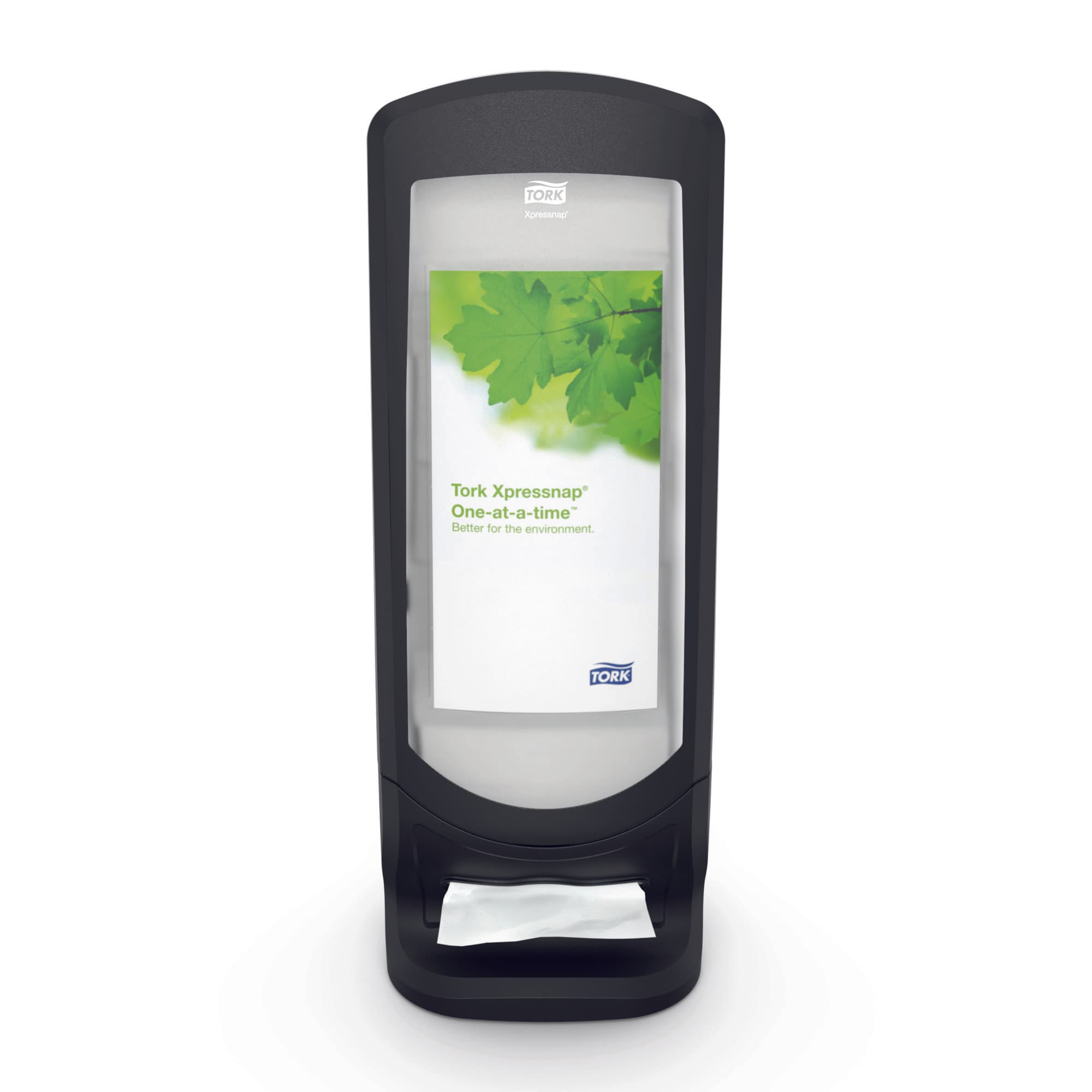
Break stations require a range of supplies: hot cups for coffee and tea service, food display vessels for pastries and snacks, napkin dispensers, and condiment setups. Stations are often dressed with linen drapes or table skirting for a polished appearance, and buffet risers add visual hierarchy to food presentations.
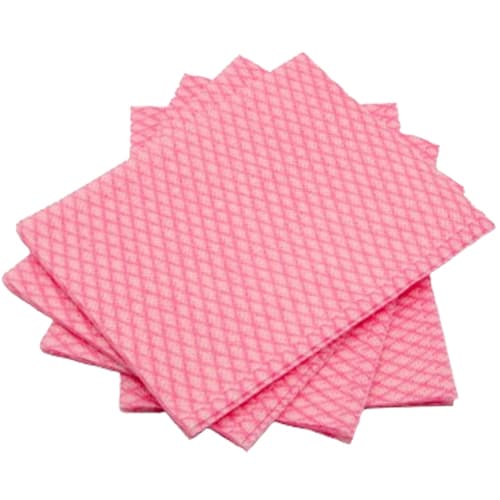
Banquet teams transport beverages and food items from the kitchen using insulated carriers, hot boxes, and Cambro transport containers to maintain safe holding temperatures in transit. Foodservice towels and wipers keep station surfaces clean throughout the service window.
Explore hot cups and lids, catering supplies, and napkins on SupplyClub to stock your break stations.
Food Safety Requirements
Food safety compliance is non-negotiable during Break Service. Per the FDA Food Code, perishable items must not remain in the temperature danger zone (41°F–135°F) for more than two hours. Hot beverages must be maintained above 140°F throughout the service window, consistent with hot holding standards.
Banquet captains apply HACCP principles to monitor critical control points — logging temperatures for hot and cold items and removing food that has exceeded safe holding windows. Staff involved in Break Service preparation and execution are typically required to hold ServSafe certification.
Staffing and Replenishment
Banquet servers handle setup, active replenishment, and breakdown of break stations. During the service window, replenishment tasks include refilling coffee urns, restocking food items, and clearing used cups and plates. The Catering Manager or Banquet Captain oversees execution and ensures the station stays aligned with the BEO timeline.
Server side work completed before the break — stocking cups, organizing condiments, preparing urns — directly impacts how smoothly the station runs once doors open.
Sustainability in Break Service
Hotels reducing their environmental footprint in conference catering start with Break Service serviceware. Replacing single-use plastic cups and plates with BPI-certified compostable alternatives certified to ASTM D6400 or ASTM D6868 standards is one of the most impactful changes an F&B operation can make.
Additional sustainable practices include using bulk condiment dispensers instead of individually wrapped packets, sourcing local and plant-based snack options, and forecasting attendance accurately to reduce over-production and food waste. For multi-day conferences, encouraging attendees to use branded reusable cups further reduces disposable consumption. See how to elevate eco-friendly catering practices with sustainable packaging, or explore compostable cups as a business advantage. These practices align with broader sustainable hospitality program goals.
Common Uses
Department & Usage: Break Service is executed by the Banquet & Catering department within a hotel or convention center's Food & Beverage (F&B) division. Catering Sales Managers use it when building group event packages — negotiating per-person pricing and incorporating Break Services into a group's contracted F&B minimum spend. Catering Managers and Banquet Captains use the BEO to direct station placement, staffing assignments, service timing, and replenishment schedules. Banquet servers set up, replenish, and break down stations in alignment with the event agenda. Event planners and corporate meeting buyers reference Break Service when comparing hotel proposals and customizing day-of-event programming schedules.
Sustainability
Break Service is one of the highest-volume sources of single-use disposable waste in conference catering. Replacing plastic cups and plates with BPI-certified compostable serviceware (ASTM D6400 or ASTM D6868) reduces landfill impact at scale. Switching from individually wrapped condiment packets to bulk dispensers for sugar, creamer, and stir sticks eliminates unnecessary packaging waste at every station. Accurate attendance guarantees and portion-controlled servings reduce over-production — the leading source of avoidable food waste in conference catering. Sourcing local and plant-based snack options supports a hotel's sustainable hospitality program while appealing to sustainability-conscious corporate clients. For multi-day events, encouraging attendees to use branded reusable cups further cuts disposable consumption. Learn more about compostable cups as a business and sustainability advantage and how to make sustainable packaging choices in hospitality catering.
Related Products