Serpentine Buffet
A serpentine buffet is a catering layout that uses curved serpentine tables joined in an S-curve, wave, or linked semi-circle configuration to create a flowing, non-linear food display line that distributes guest traffic and enhances visual presentation.
A serpentine buffet is a catering layout that uses curved serpentine tables joined together in an S-curve, wave, or linked semi-circle configuration to create a flowing, non-linear food display line. The format improves guest traffic flow and adds visual sophistication compared to a standard straight-line buffet service setup.
How a Serpentine Buffet Is Configured
A standard serpentine buffet uses four curved serpentine tables arranged to form two semicircles, connected by straight banquet tables. This creates a continuous sinuous line with an open center that can hold floral arrangements, ice sculptures, or themed décor.
The configuration varies by room size and guest count, but the defining characteristic is always the curved table sections. Event planners specify the layout in the Banquet Event Order (BEO), including the number of serpentine sections, station assignments, and linen requirements.
Guest Flow and Traffic Advantages
The curvilinear shape distributes guest traffic naturally across multiple access points rather than funneling everyone into a single line. This eliminates the bottlenecking common in straight single-line buffets, which is especially valuable at high-volume events like hotel weddings, corporate galas, and conference receptions.
ADA compliance still applies — event planners must maintain 36–44″ minimum clear pathways around the entire serpentine footprint. The curved layout typically requires more floor area than an equivalent straight-line setup, so room capacity calculations should account for this before committing to the format.
Food Station Placement
Each curve or break point along the serpentine line functions as a natural food station. These positions are ideal placements for action stations (live pasta, stir-fry, or omelets), carving stations, or specialty displays that benefit from dedicated attendant coverage.
Buffet risers placed at curve points create visual height variation across the entire line, breaking up a flat presentation and drawing guests toward featured items. The continuous curved surface also supports themed storytelling across stations — a benefit that makes the format popular in upscale hotel catering.
Equipment Requirements
Hot food stations require chafing dishes or steam tables loaded with full-size or shallow hotel pans to maintain hot-holding temperatures at or above 135°F throughout service. Cold food stations — salads, charcuterie, seafood, and desserts — require ice beds or refrigerated inserts to maintain cold-holding temperatures at or below 41°F.
Sneeze guards are required at every open food display point along the serpentine line per local health department regulations. Each station also needs resting utensil holders, allergen signage, and plate stacks positioned for natural guest flow.
Core serving equipment for a serpentine buffet includes:
- Chafing dishes and full-size or shallow steam table inserts (medium and shallow pans)
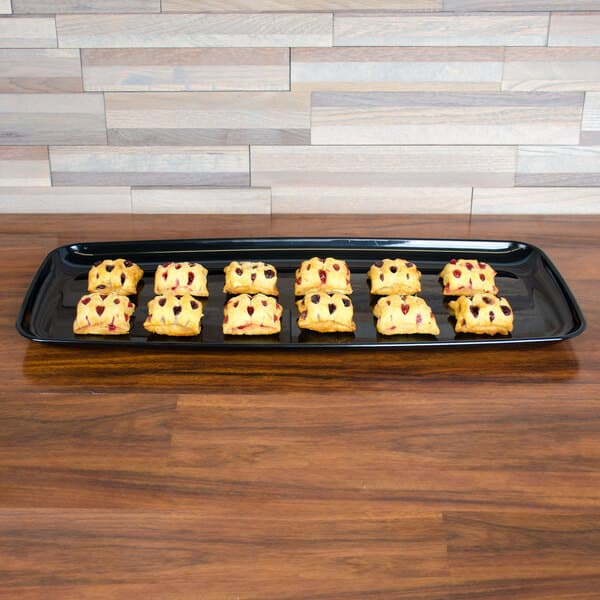
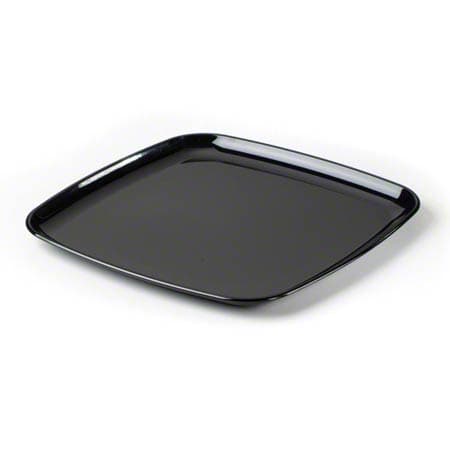
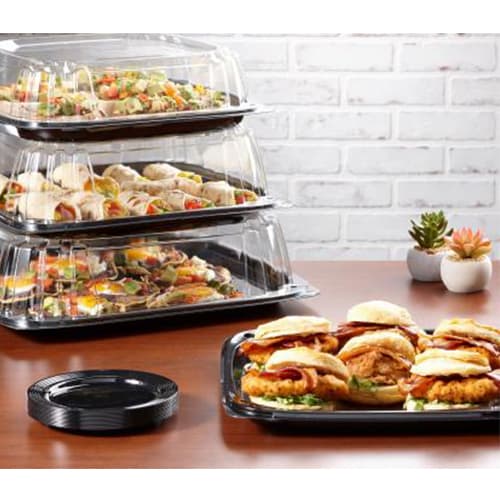
- Large serving platters and catering trays — rectangular, square, or round formats depending on station design (see catering supplies)
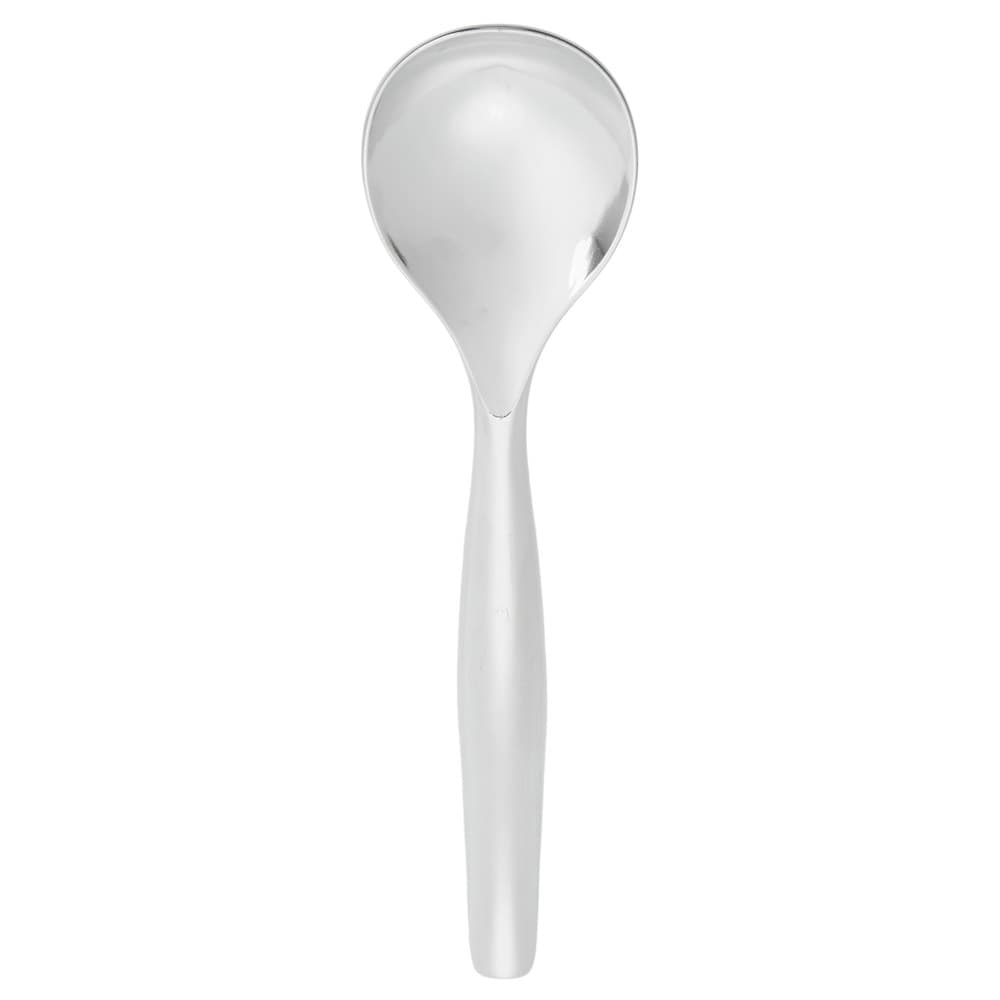
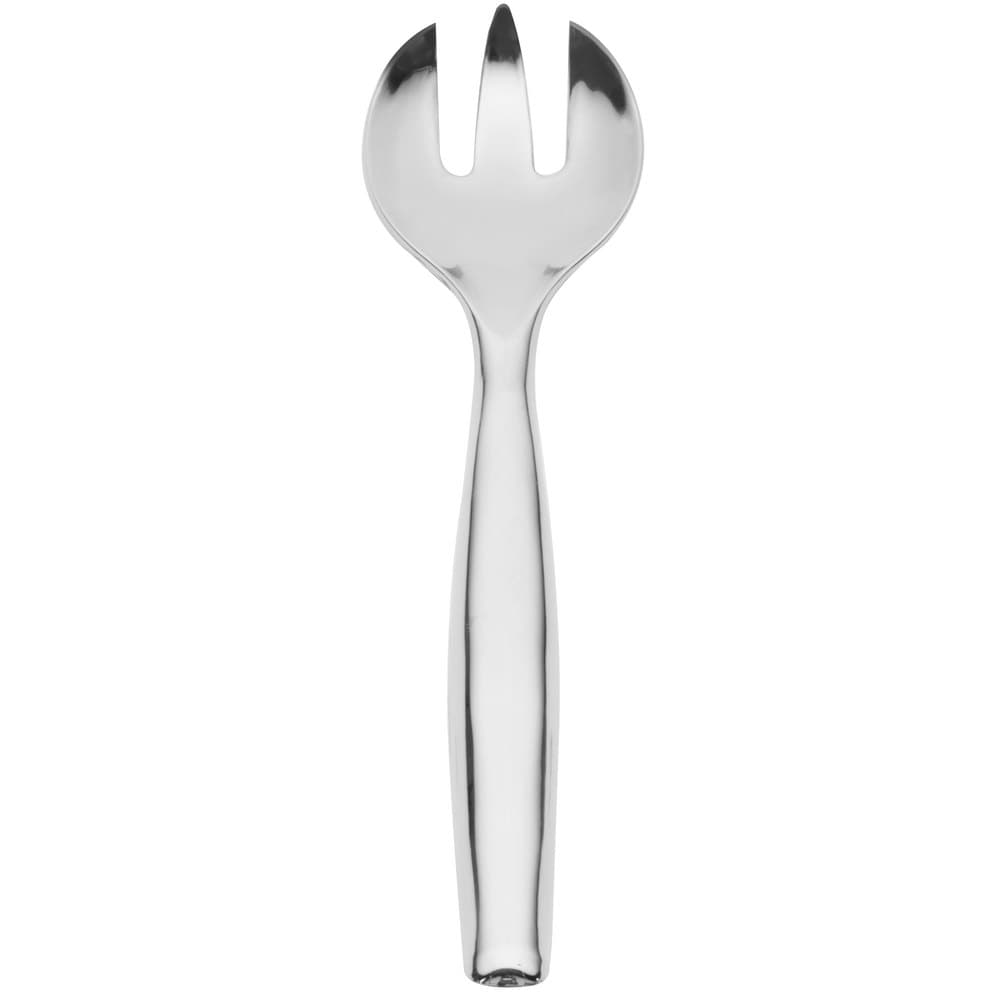
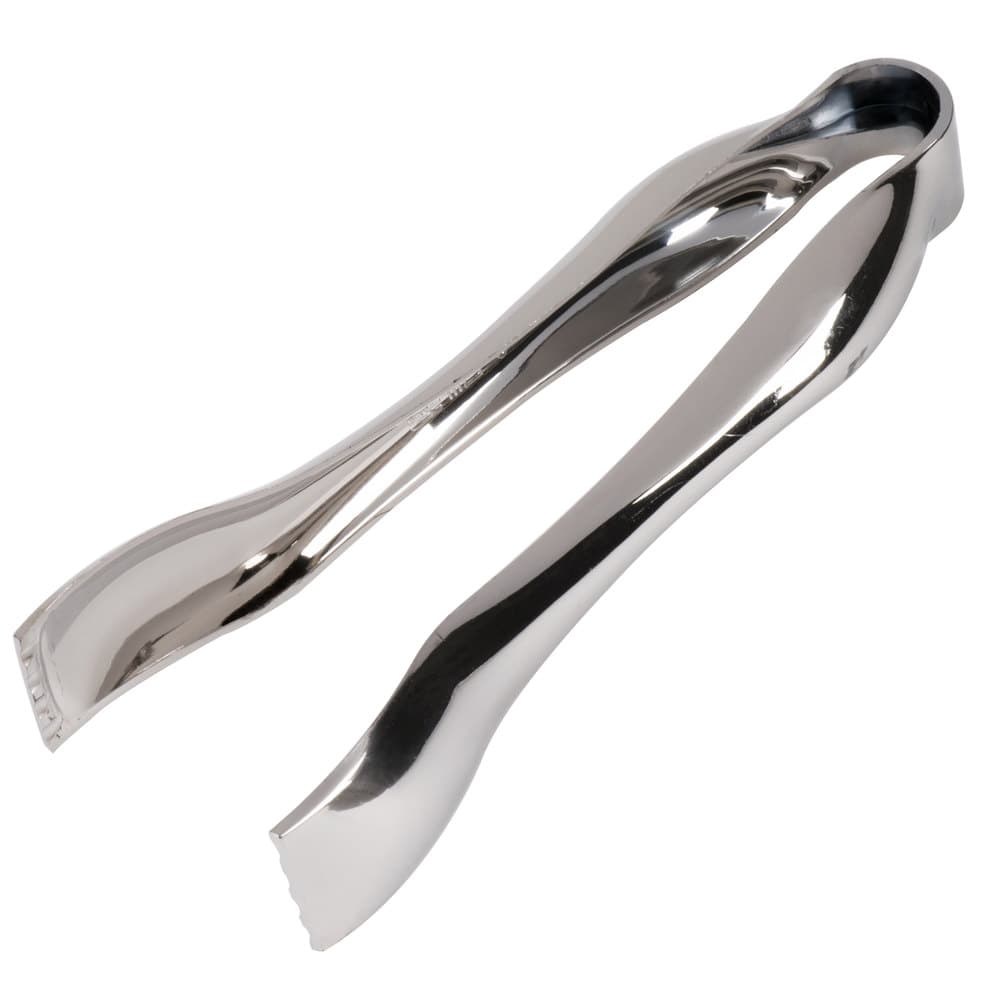
- Serving spoons, forks, and tongs at every self-service station
- Buffet risers for height variation
- Allergen labels and station signage
Linen and Skirting
Standard flat-panel table skirts do not conform to the curved profile of serpentine tables. Table skirting for serpentine configurations must be pleated, gathered, or specifically cut to follow the contour of the curved table edge — otherwise the skirt bunches unevenly and undermines the polished presentation the format is meant to deliver.
Linen draping over the table surface itself follows the same constraint: overlapping drape panels or stretch-fit linen covers work better than single rigid table cloths on curved surfaces.
Food Safety and Compliance
All standard buffet food safety protocols apply to every station on a serpentine line. Hot foods must stay at or above 135°F; cold foods at or below 41°F. Allowing food to drift into the temperature danger zone (41°F–135°F) creates a HACCP violation regardless of how the tables are arranged.
Banquet staff managing serpentine buffet stations should hold ServSafe certification, which is a standard requirement in most jurisdictions for employees handling open food displays. Each station requires its own temperature monitoring, time logs, and allergen labeling — the number of stations in a serpentine setup increases the compliance workload compared to a simpler two-run straight buffet.
Labor Considerations
A multi-curve serpentine buffet requires dedicated attendants at each station plus runners working from the back of house to replenish food. The distributed station model means more labor positions than a single-run buffet, which should be reflected in the event’s staffing estimate and catering proposal.
Mise en place preparation before doors open is critical: every station must be stocked, temperature-verified, labeled, and fully skirted before guests arrive. A pre-service walkthrough of the entire serpentine line is standard practice for banquet captains.
Common Uses
Department & Usage: The serpentine buffet is owned and executed by the Banquet and Catering department under Food & Beverage. The Catering or Convention Services Manager specifies the layout in the Banquet Event Order (BEO), including table count, station assignments, linen requirements, and equipment placement. Banquet staff and buffet attendants handle the physical setup and service execution.
The format is used at high-volume hotel events where both guest throughput and aesthetic presentation are priorities: weddings, corporate galas, conference receptions, holiday parties, and association luncheons. It is particularly favored in upscale hotel catering where creative food display and themed station design are expected deliverables. Action stations and carving stations are frequently anchored at the curve points of the serpentine line to add interactive dining elements.
Sustainability
Serpentine buffets carry inherent food waste risk — the format encourages guests to take more than they consume, and overproduced dishes must be discarded after service. Banquet managers can reduce waste through small-batch restocking, replenishing stations in partial hotel pans rather than full replacements throughout service.
Compostable or recyclable guest plates and serving ware reduce single-use plastic at serpentine buffet stations. Molded fiber, bagasse, or PLA-based formats are appropriate eco-friendly alternatives for catering trays and guest plates. Compostable fiber plates — such as 7" round fiber plates — are well-suited for cocktail-style or lighter-format serpentine receptions where a full ceramic plate service is not practical.
Chafing dishes using Sterno or gel fuel consume combustibles for the entire service period. Electric induction-based hot-holding equipment offers a lower-emission alternative worth specifying for properties with active sustainability programs. Leftover food can be redirected through structured donation programs aligned with the EPA's Food Recovery Hierarchy rather than sent to landfill.
Related Products